

Oil giants Saudi Aramco and BP profit from high energy prices amid Middle East crisis
Translated from German, summarized and contextualized by DistantNews.
At a glance
News
Named sources
Context piece
- Major oil companies Saudi Aramco and BP reported significant profit increases in the second quarter of 2026.
- The profits are attributed to high oil and fuel prices driven by supply shortages following conflicts in the Middle East.
- BP announced a strategic shift away from renewable energy, focusing more on oil and gas production.
Global oil giants Saudi Aramco and BP have capitalized on the ongoing energy crisis, reporting substantial profit surges in the second quarter of 2026. The conflicts in the Middle East, including disruptions in the Strait of Hormuz, have led to a scarcity of oil and refined fuels, allowing these companies to significantly raise prices.
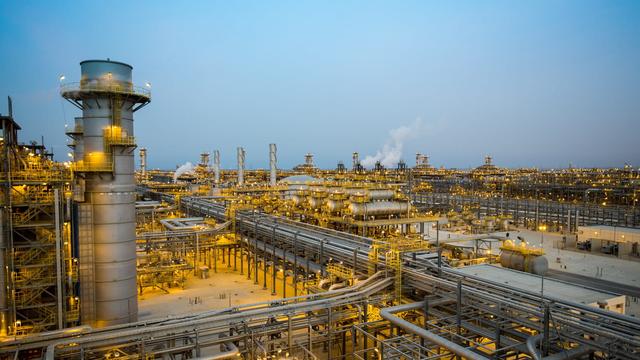
Saudi Aramco, the state-owned Saudi oil company, saw its adjusted profit climb by a third to $29 billion. The company benefited from increased oil prices and managed to circumvent shipping blockades via an internal pipeline, ensuring continued supply despite the regional instability. However, production was impacted by attacks on its facilities.
British energy firm BP also experienced a dramatic increase in earnings, with adjusted profits soaring 144% to $5.73 billion. Despite this success, BP's new CEO, Meg O'Neill, expressed dissatisfaction with past performance and announced a strategic reorientation. This includes a reduced focus on renewable energy, with BP initiating the sale of its US biogas business and planning to withdraw from oil and gas production in the North Sea.
BP now anticipates investments between $13.5 billion and $14 billion for the current year, signaling a continued, albeit potentially altered, engagement with the energy market. The company's strategic adjustments come as global energy markets remain volatile due to geopolitical tensions.
We are not fulfilling our potential. Our performance in recent years has not met our own expectations, let alone those of our shareholders.
DistantNews Editorial
Originally published by Die Zeit in German. Translated, summarized, and contextualized by our editorial team with added local perspective. Read our editorial standards.
More Stories
From Our Blog

What Gets Lost (and Found) When News Is Translated

How the Same Story Looks Different in Different Countries

The Critical Role of Diaspora Media in Global News

What Travellers Should Know About Countries with Restricted Press

A Digital Nomad's Guide to Following Local News
