


Oil Prices Drop Over 4% After Iran-U.S. Deal; Hormuz to Open
Translated from Polish, summarized and contextualized by DistantNews.
At a glance
News
Sources not specified
Ongoing story
- An interim agreement between Iran and the U.S. has led to a significant drop in global oil prices, with the Strait of Hormuz expected to reopen.
- Key issues such as Iran's nuclear program, sanctions, and frozen assets remain unresolved.
- Analysts express skepticism about the fragility of the agreement, awaiting further details and the resumption of oil production.
Global oil prices plummeted by over 4% following a preliminary agreement between the United States and Iran, which is expected to lead to the reopening of the Strait of Hormuz. This development, seen as a significant "gift" to U.S. President Donald Trump on his 80th birthday, aims to de-escalate tensions in the Persian Gulf.
The 60-day interim deal, the specifics of which have not been fully disclosed, includes provisions for Iran to reopen the Strait of Hormuz and for the U.S. Navy to lift its blockade on Iranian ports. The formal signing of documents confirming a 60-day cessation of hostilities is scheduled for June 19 in Switzerland.
This Great Agreement will bring peace and security to the entire region.
However, substantial issues remain unresolved. Key among these are Iran's nuclear program, the lifting of international sanctions against the country, and the future of Iran's frozen financial assets held in U.S. banks. The article notes that both Tehran and Washington present differing views on the immediate future, with Iranian officials expressing far less optimism than the U.S. president.
Let the oil flow.
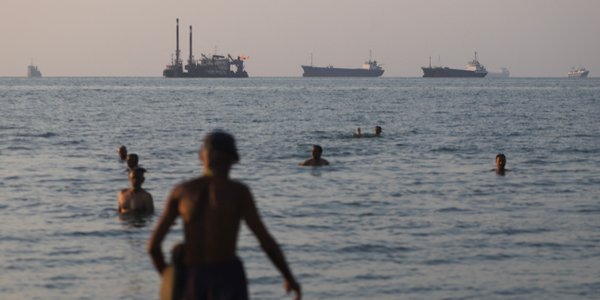
Despite Trump's enthusiastic announcement, analysts and traders remain highly skeptical. They are awaiting the fine print of the agreement and are concerned about the logistical and military challenges involved in fully reopening the Strait of Hormuz. Over 600 vessels are reportedly waiting to utilize this vital shipping lane, which previously handled over 100 million barrels of oil and fuel daily, representing one-fifth of global oil production.
The maritime transport industry faces significant preparation challenges to resume transit through Hormuz, and oil fields must restart production. The article highlights that some infrastructure may have been damaged, adding further complexity to the situation. The long-term viability of this fragile agreement remains uncertain.
Analysts and dealers are very skeptical. They are waiting to see what is written in the 'fine print' of the agreement.
DistantNews Editorial
Originally published by Rzeczpospolita in Polish. Translated, summarized, and contextualized by our editorial team with added local perspective. Read our editorial standards.
More Stories


From Our Blog

What Gets Lost (and Found) When News Is Translated

The Critical Role of Diaspora Media in Global News

What Travellers Should Know About Countries with Restricted Press

A Digital Nomad's Guide to Following Local News

How the Same Story Looks Different in Different Countries
