


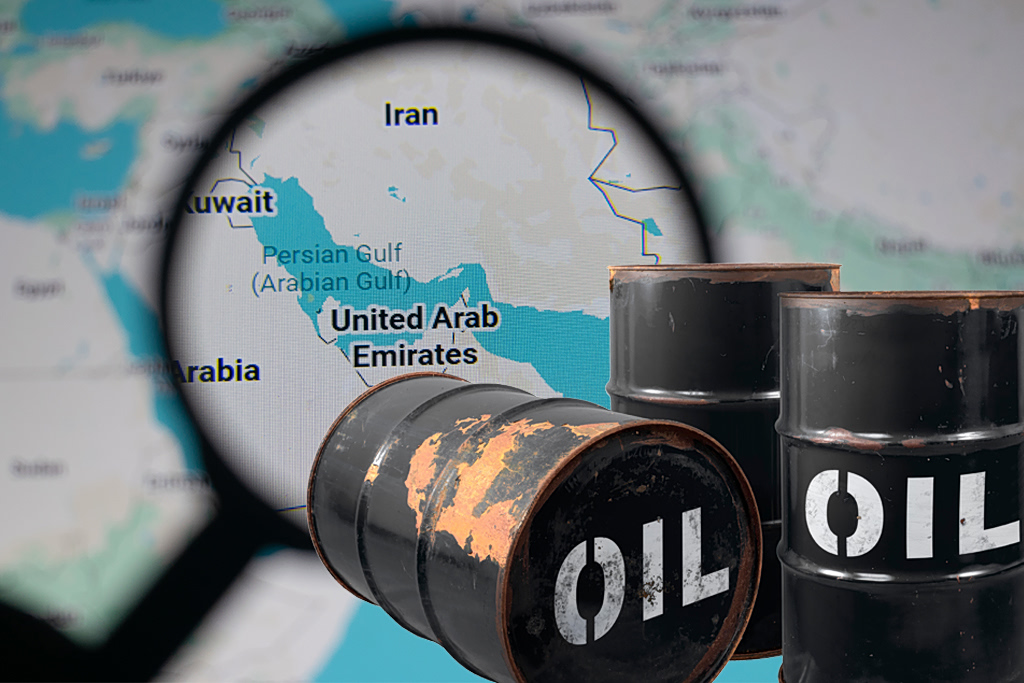
Oil prices fall after Bessent hints at deal to open Strait of Hormuz
Translated from Greek, summarized and contextualized by DistantNews.
At a glance
News
Official statement
Ongoing story
- Oil prices fell after U.S. Treasury Secretary Scott Bessent suggested a potential deal to open the Strait of Hormuz.
- Bessent stated that the U.S. and Iran are close to an agreement that could normalize the situation.
- Brent crude futures dropped 2.29% to $81.85 per barrel, and WTI futures fell 3.10% to $77.85.
Oil prices declined on Tuesday following remarks from U.S. Treasury Secretary Scott Bessent, who indicated that the United States and Iran are nearing an agreement concerning the opening of the Strait of Hormuz. The potential deal aims to de-escalate tensions and normalize maritime passage through the crucial waterway.
In an interview with CNBC, Bessent expressed optimism about the ongoing discussions. "We are in talks with the Iranians, and I believe there is an opportunity to reach an agreement today or tomorrow to open the strait and move towards a more normal position in this conflict," he stated. These comments suggested a possible breakthrough in resolving the standoff.
Initially, oil prices had shown an upward trend during the trading session. However, Bessent's statements triggered a sell-off. By mid-afternoon Greek time, Brent crude for October delivery fell by 2.29% to $81.85 a barrel. Similarly, U.S. benchmark West Texas Intermediate (WTI) for September delivery saw a 3.10% decrease, trading at $77.85 a barrel.
The Strait of Hormuz is a vital chokepoint for global oil supplies, and any disruption or agreement regarding its passage significantly impacts international energy markets. The prospect of its opening, as suggested by Bessent, eased concerns about potential supply disruptions, leading to the price drop.
We are in talks with the Iranians and I believe there is an opportunity to reach an agreement today or tomorrow to open the strait and move towards a more normal position in this conflict.
DistantNews Editorial
Originally published by Ta Nea in Greek. Translated, summarized, and contextualized by our editorial team with added local perspective. Read our editorial standards.
More Stories



From Our Blog

What Gets Lost (and Found) When News Is Translated

The Critical Role of Diaspora Media in Global News

What Travellers Should Know About Countries with Restricted Press

A Digital Nomad's Guide to Following Local News

How the Same Story Looks Different in Different Countries
