


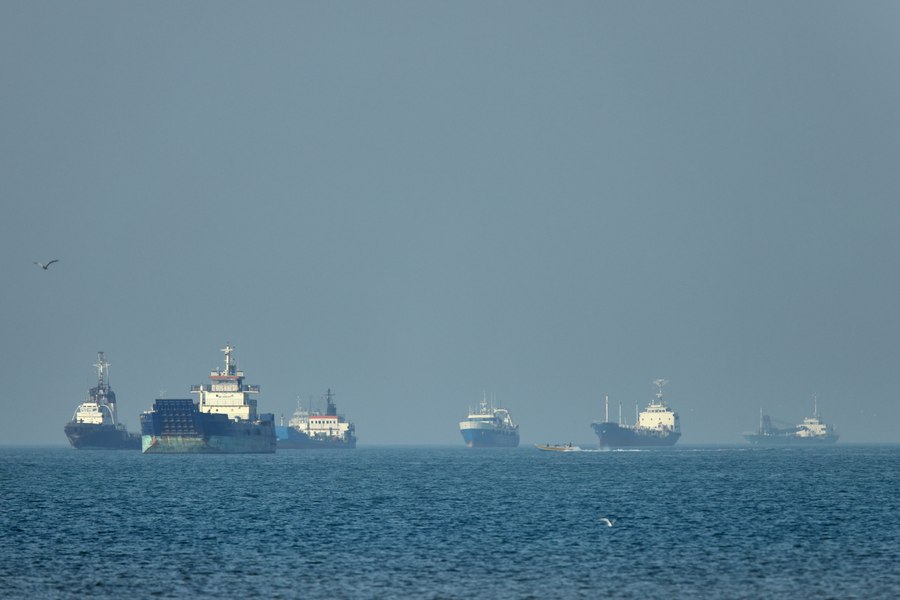
Oil Prices Plunge on US-Iran Deal Hopes, But Analysts Urge Caution
Translated from Romanian, summarized and contextualized by DistantNews.
At a glance
Analysis
Named sources
Context piece
- Oil prices have fallen significantly following reports of a preliminary agreement between the United States and Iran, easing energy market tensions.
- Analysts warn that current prices might be overly optimistic, potentially ignoring underlying risks and uncertainties.
- The preliminary deal could allow for the resumption of traffic through the Strait of Hormuz and a gradual return of Iranian oil exports, but long-term issues remain unresolved.
Oil prices have experienced a sharp decline after news emerged of a preliminary agreement between the United States and Iran, sparking hopes for a resolution to a major source of tension in the global energy market. However, underlying uncertainties persist despite the apparent optimism.
Neil Crosby, head of oil analysis at Sparta Commodities, cautions that investors may be overlooking significant risks that initially caused market volatility. He suggests that current price levels reflect momentary enthusiasm rather than the ground reality. The oil markets reacted swiftly to the prospect of a U.S.-Iran deal, leading investors to shed the geopolitical risk premium. This was based on the assumption that major supply disruptions are less likely with an impending agreement that could reopen the Strait of Hormuz and facilitate the return of Iranian exports.
Brent crude is currently trading around $79.30 per barrel, and WTI at approximately $76.15, considerably lower than peak tension levels. Crosby finds this market reaction excessive, stating, "Oil prices are too good to be true; so are the assumptions about Hormuz." He implies that investors are treating potential developments as certainties, which are far from guaranteed.
Crosby views the draft memorandum as a significant diplomatic victory for Tehran, noting that "On paper, Iran has won." The agreement reportedly includes sanctions relief, export waivers, and the reopening of traffic through the Strait of Hormuz without transit fees, explaining the market's interpretation of reduced risk. However, Crosby warns that the core issues driving the conflict remain unresolved. "In the long term, the nuclear program issue remains unresolved, and Israel continues to be a completely unpredictable factor," he stated, suggesting a high likelihood of renewed tensions, particularly in Lebanon, which could jeopardize the agreement's durability. This outlook sharply contrasts with the current financial market optimism, where many investors seem to believe geopolitical risk has been largely eliminated.
DistantNews Editorial
Originally published by Adevărul in Romanian. Translated, summarized, and contextualized by our editorial team with added local perspective. Read our editorial standards.
More Stories



From Our Blog

What Gets Lost (and Found) When News Is Translated

The Critical Role of Diaspora Media in Global News

What Travellers Should Know About Countries with Restricted Press

A Digital Nomad's Guide to Following Local News

How the Same Story Looks Different in Different Countries
