

Oil Prices Rise, Asian Stocks Drift Amid US-Iran Stalemate
Translated from English, summarized and contextualized by DistantNews.
At a glance
News
Named sources
Context piece
- Oil prices rose as US-Iran negotiations stalled, impacting the Strait of Hormuz.
- Asian shares drifted due to uncertainty over global inflation and potential US interest rate hikes.
- Nvidia's partnership to fund AI infrastructure highlights significant sector investment.
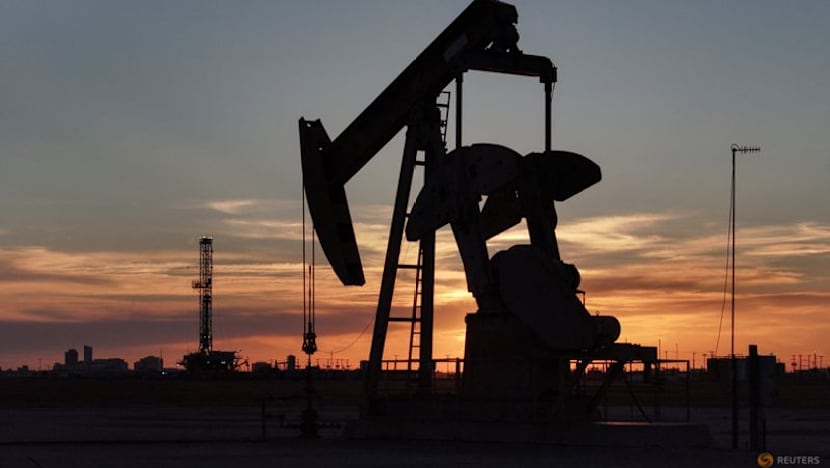
Oil prices climbed on Tuesday as stalled negotiations between the United States and Iran over a peace deal and the reopening of the Strait of Hormuz created an impasse. Asian shares, meanwhile, drifted amid persistent uncertainty about the global inflation outlook and the potential for further US interest rate hikes.
We're now in a bit of a Mexican standoff, if you'd like, in terms of who blinks first. This is going to be almost a war of attrition now. You probably can see the (oil) market sitting around the US$75 to US$95 range while we wait to see who blinks first.
US President Donald Trump's response to Iran's conditions for a peace deal, which included demands for compensation for war-related deaths, escalated rhetoric and complicated efforts to reopen the vital waterway. Brent crude futures reached $88 per barrel and US crude futures hit $82.45, marking their highest levels since July 31. Analysts described the situation as a "Mexican standoff," predicting the oil market could remain in a $75 to $95 range as both sides hold firm.
We think the risks are skewed towards a hot print, which would probably drive a rebound in rate expectations and, potentially, renewed worries about stagflation.
The potential for higher fuel costs increases the stakes for the upcoming US July consumer price report. Expectations of a 0.1 percent monthly rise in the headline reading and 0.2 percent for the core measure could reignite bets on a Federal Reserve rate hike next month. Economists suggest risks are skewed towards a higher-than-expected inflation print, potentially leading to renewed worries about stagflation and higher interest rates.
Overall, our assessment remains that the US economy is running a bit hotter than a 'goldilocks' situation. That points to higher interest rates.
In broader markets, MSCI's Asia-Pacific shares index outside Japan saw modest gains, while South Korea's KOPSI rose. Nasdaq and S&P 500 futures edged higher after Wall Street closed lower. Meanwhile, Nvidia announced a significant partnership with six financial institutions to launch compute financing platforms, aiming to raise over $500 billion for AI infrastructure, underscoring the sector's booming investment.
A small part of me was left wondering whether this is how it felt when sub-prime mortgages first became a mainstream product - the innovation that eventually helped trigger the GFC.
DistantNews Editorial
Originally published by CNA in English. Translated, summarized, and contextualized by our editorial team with added local perspective. Read our editorial standards.
More Stories
From Our Blog

What Gets Lost (and Found) When News Is Translated

The Critical Role of Diaspora Media in Global News

What Travellers Should Know About Countries with Restricted Press

A Digital Nomad's Guide to Following Local News

How the Same Story Looks Different in Different Countries
