

Oil prices rise for 4th day as US strikes on Iran raise fears of wider conflict
Summarized and contextualized by DistantNews.
At a glance
News
Named sources
Ongoing story
- Oil prices climbed for a fourth consecutive day, driven by renewed U.S. strikes on Iranian military sites and fears of broader conflict.
- The escalating tensions have raised concerns about potential disruptions to oil and gas supplies through the Strait of Hormuz.
- Analysts suggest that while a full-scale war is unlikely, further conflict escalation could significantly impact global oil prices.
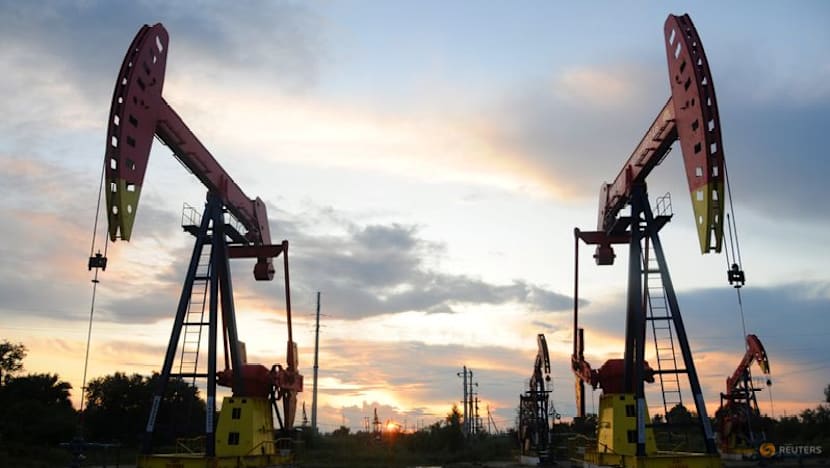
Oil prices surged for the fourth day in a row on Thursday, fueled by escalating tensions in the Middle East. New U.S. strikes on Iranian military installations have intensified fears of a wider conflict and potential disruptions to crucial energy supply routes.
Brent crude futures saw a 0.4 percent increase, reaching $85.28 a barrel, while U.S. West Texas Intermediate futures climbed 0.5 percent to $80.02 a barrel. Both benchmarks had already gained ground earlier in the week, hovering near one-month highs.
"With tensions in the Middle East flaring up again, buying is taking the lead," noted Hiroyuki Kikukawa, chief strategist at Nissan Securities Investment. He added that while mediation efforts are ongoing and a full-scale war is considered unlikely, prices could still rise significantly depending on the conflict's development.
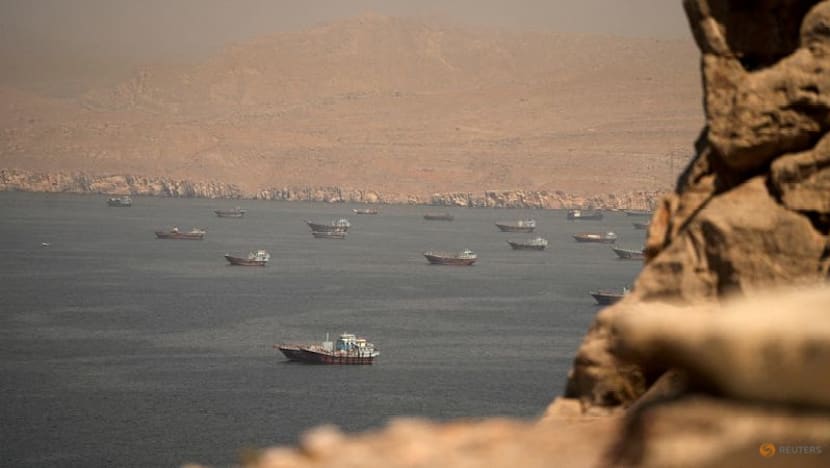
The Strait of Hormuz, a vital waterway handling approximately one-fifth of the world's oil and liquefied natural gas trade, has become a focal point for supply disruption concerns. Analysts are also monitoring Iran's potential use of Houthi allies in Yemen to threaten the Bab el-Mandeb gateway, which could put two of the world's most critical energy arteries at risk.
With tensions in the Middle East flaring up again, buying is taking the lead.
DistantNews Editorial
Originally published by CNA. Summarized and contextualized by our editorial team with added local perspective. Read our editorial standards.
More Stories



From Our Blog

What Gets Lost (and Found) When News Is Translated

The Critical Role of Diaspora Media in Global News

What Travellers Should Know About Countries with Restricted Press

A Digital Nomad's Guide to Following Local News

How the Same Story Looks Different in Different Countries
