


Oil Prices Steady as U.S. Threatens Indefinite Iran Blockade Amid Supply Fears
Translated from English, summarized and contextualized by DistantNews.
At a glance
News
Named sources
Ongoing story
- Oil prices edged higher on Friday as the U.S. threatened an indefinite naval blockade of Iran, raising supply concerns.
- Brent and WTI futures saw slight gains after falling more than 2% in the previous session, but remained on track for weekly increases.
- The U.S. also vowed to increase economic pressure on Tehran, while Iran continued to restrict traffic through the Strait of Hormuz.
Oil prices saw a modest increase on Friday, driven by renewed concerns over crude supply following the U.S. threat of an indefinite naval blockade against Iran. Brent futures rose by 9 cents to $87.16 a barrel, and U.S. West Texas Intermediate (WTI) crude futures gained 4 cents to $81.29 a barrel.
These gains followed a more significant drop of over 2% in the previous session, which had pared back earlier advances. Despite the volatility, both benchmarks were still positioned for weekly gains of approximately 4%. The U.S. Treasury Secretary stated that unprecedented economic pressure would be applied to Iran as ceasefire talks have stalled, with further announcements expected.
Watch this space for more announcements coming next week because we are going to apply measures like have never been seen in the history of economic isolation on a country.
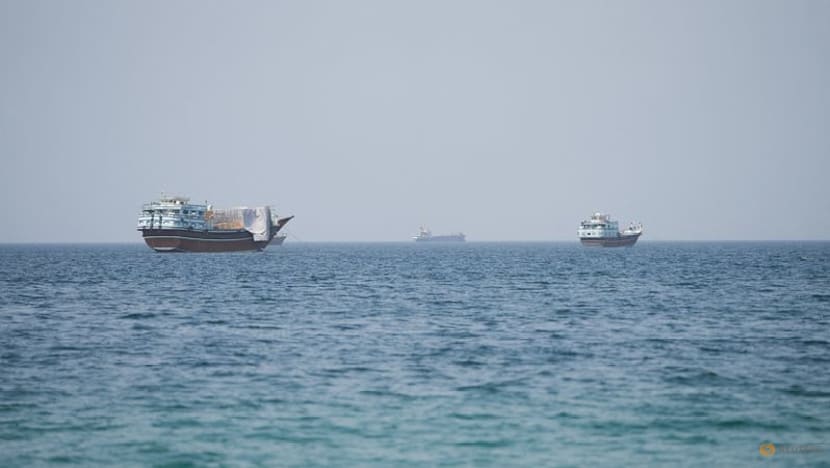
The situation is complicated by Iran's continued control over traffic in the Strait of Hormuz, a vital waterway for global oil transport. This tension, however, is being counterbalanced by forecasts from OPEC and the International Energy Agency that predict slower demand growth. Additionally, data indicating a substantial increase in U.S. crude stocks has tempered upward price momentum.
Adding to the supply uncertainty, two vessels belonging to the Abu Dhabi National Oil Company were attacked while transiting the strait on Thursday evening. The United Arab Emirates government condemned the incident, attributing it to Iran. This event further highlights the risks to shipping in the region.
The result is a market that remains supported but struggles to break meaningfully higher while these opposing pressures remain in place.
DistantNews Editorial
Originally published by CNA in English. Translated, summarized, and contextualized by our editorial team with added local perspective. Read our editorial standards.
More Stories



From Our Blog

What Gets Lost (and Found) When News Is Translated

The Critical Role of Diaspora Media in Global News

What Travellers Should Know About Countries with Restricted Press

A Digital Nomad's Guide to Following Local News

How the Same Story Looks Different in Different Countries
