


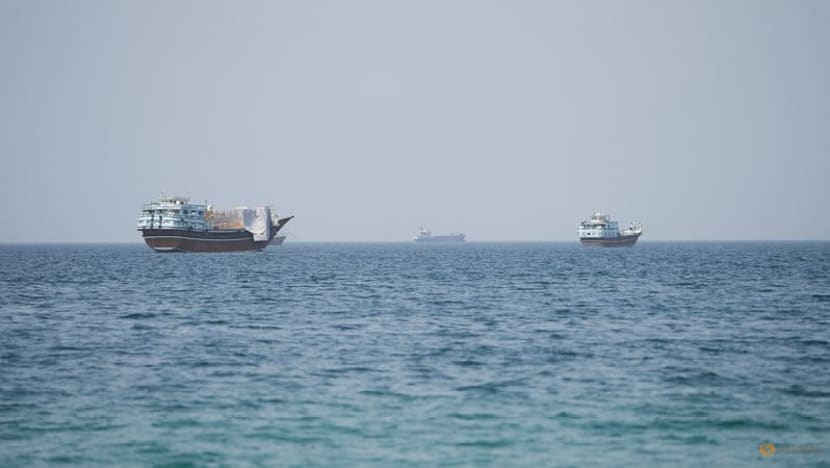
Oil Rises Amid Concerns Over Iran's Strait of Hormuz Reopening Plans
Translated from English, summarized and contextualized by DistantNews.
At a glance
News
Named sources
Ongoing story
- Oil prices rose due to concerns over Iran's potential plans to ban hostile vessels from the Strait of Hormuz.
- Iran is reviewing a bill that could impose heavy fines on ships violating proposed restrictions.
- Market confidence in a swift resolution restoring normal tanker movements remains low, supporting prices.
Oil prices climbed on Friday, driven by escalating concerns over Iran's proposed actions in the Strait of Hormuz. Iran, in collaboration with Oman, is reportedly considering a ban on vessels deemed hostile and imposing significant fines on those who flout new rules in the crucial waterway. Brent crude futures saw a 1.2 percent increase, reaching $83.48 a barrel, while U.S. West Texas Intermediate futures rose 1.1 percent to $78.84.
The market is reacting to news that an Iranian lawmaker stated a parliamentary committee is reviewing a preliminary bill. This bill could prohibit U.S., Israeli, and other vessels considered hostile from transiting the Strait of Hormuz. Violators might face fines up to 20 percent of their cargo value, according to the Fars news agency. Iran is seeking fees between 5 and 7 percent of cargo prices, while Oman discusses around 3 percent, with the U.S. opposing any fees.
However, confidence in a quick resolution that would fully restore normal tanker movements is low. "Markets have already seen at least one short-lived arrangement earlier this year, so confidence that a new pact would fully restore normal tanker movements remains low," said Tim Waterer, chief market analyst at KCM Trade. This skepticism has helped put a floor under oil prices. The proposed deal's workability is also questioned due to U.S. sanctions and restrictive insurance clauses.
Markets have already seen at least one short-lived arrangement earlier this year, so confidence that a new pact would fully restore normal tanker movements remains low.
DistantNews Editorial
Originally published by CNA in English. Translated, summarized, and contextualized by our editorial team with added local perspective. Read our editorial standards.
More Stories


From Our Blog

What Gets Lost (and Found) When News Is Translated

The Critical Role of Diaspora Media in Global News

What Travellers Should Know About Countries with Restricted Press

A Digital Nomad's Guide to Following Local News

How the Same Story Looks Different in Different Countries
