


Oil Slips 4% After US, Iran Pause Fighting Over Weekend
Summarized and contextualized by DistantNews.
At a glance
News
Named sources
Ongoing story
- Oil prices dropped 4% on Monday following a weekend pause in US-Iran strikes.
- The de-escalation raised hopes for a diplomatic solution and resumption of shipping through the Strait of Hormuz.
- Analysts noted the market's "desperation for positive news" amid ongoing supply risks.
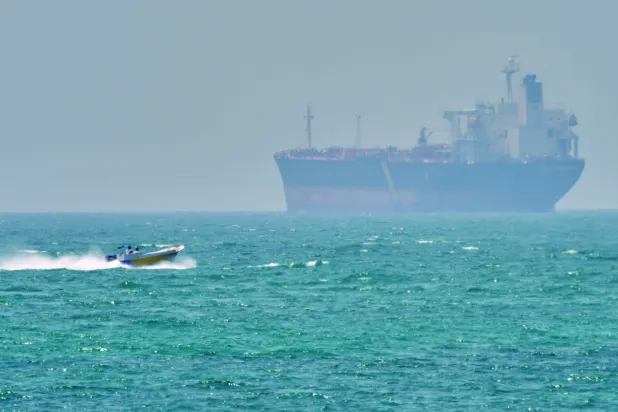
Oil prices fell sharply Monday, with Brent crude futures down 4.1% to $92.82 a barrel and U.S. West Texas Intermediate crude down 4.5% to $85.29. The declines followed a weekend pause in U.S. and Iran military actions, sparking hopes for a diplomatic resolution that could de-escalate tensions and allow shipping to resume in the Strait of Hormuz. Both benchmarks traded at their lowest levels in nearly a week after three weeks of gains.
Oil prices fell sharply in early trading as the US and Iran refrained from further military action, offering the first tangible signs of a potential de-escalation in tensions.
Brent crude had previously reached $100 per barrel as the conflict, which disrupted oil shipments via the Strait of Hormuz and the Bab el-Mandeb strait, spilled over into the Red Sea. U.S. Ambassador to the United Nations Mike Waltz stated that President Donald Trump decided to pause U.S. attacks to allow more time for diplomacy.
The price action in oil this morning clearly reflects the market's desperation for positive news.
ING analysts noted that oil prices fell as the U.S. and Iran refrained from further military action, providing the first tangible signs of a potential de-escalation. They described the price action as reflecting the market's "desperation for positive news." Despite the pause, fewer than 10 commodity vessels passed through the Strait of Hormuz daily over the weekend, according to shipping data from Kpler.
Any rebound in flows through the Strait of Hormuz is likely to prove slow and partial, as many shippers remain wary and will want greater confidence in their safety before they bring more empty ships into the Strait.
MST Marquee analyst Saul Kavonic cautioned that any rebound in flows through the Strait of Hormuz is likely to be slow and partial, as many shippers remain wary and require greater confidence in their safety before increasing vessel traffic. UOB analysts added that sustained supply disruptions from the Middle East conflict and the Russia-Ukraine war could keep oil prices elevated and continue to pose upside risks to global inflation.
Sustained (supply) disruption would likely keep oil prices elevated and continue to pose upside risks to global inflation.
DistantNews Editorial
Originally published by Asharq Al-Awsat. Summarized and contextualized by our editorial team with added local perspective. Read our editorial standards.
More Stories


From Our Blog

What Gets Lost (and Found) When News Is Translated

The Critical Role of Diaspora Media in Global News

What Travellers Should Know About Countries with Restricted Press

A Digital Nomad's Guide to Following Local News

How the Same Story Looks Different in Different Countries
