

Okanagan researchers wade into streams to help shape the future of the region’s water
Summarized and contextualized by DistantNews.
At a glance
News
Sources not specified
Ongoing story
- Researchers in Canada's Okanagan region are studying freshwater mussels to assess and improve river health amidst ongoing drought conditions.
- The study is part of a 250-year water management plan developed by a partnership of First Nations and local governments aiming to create a more robust watershed.
- Scientists are collecting data on mussels, fish habitat, and river conditions to guide future restoration projects, focusing on creating natural riverbanks and habitats to enhance biodiversity.
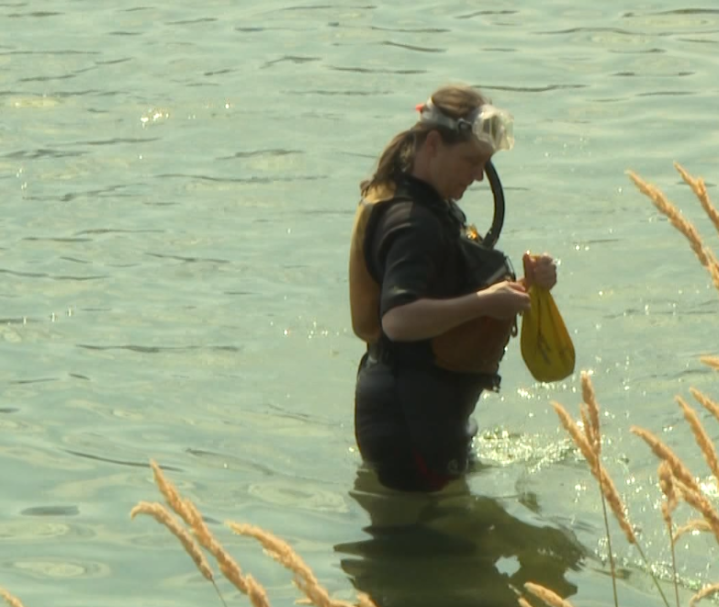
In the face of persistent drought plaguing the Okanagan region, researchers are diving into local streams, not for treasure, but for tiny mussels that hold crucial clues to the health of the area's waterways. Scientists spent Tuesday wading waist-deep in streams near Okanagan Falls, collecting these small bivalves as key indicators of river vitality.
Mussels are an indicator of water quality, so we are looking to put in more habitat that the mussels like.
Geomorphologist Zeo Eyjolfson explained that a high mussel count signifies good water quality, as mussels are natural filters, removing particles from the water. "Mussels are an indicator of water quality, so we are looking to put in more habitat that the mussels like," Eyjolfson stated. This research is integral to a larger initiative by the Collaborative Leadership Table (CLT), a coalition of First Nations and local governments charting a 250-year vision for water management across the Okanagan.
Hydroscientist Chani Welch highlighted the severity of the current drought, noting its widespread impact across the valley and mountains. Lower water levels, she explained, cause rivers to warm more rapidly, endangering fish species by making survival difficult and preventing salmon from reaching their spawning grounds. The data gathered on mussel populations, fish habitats, and overall river conditions will be instrumental in guiding future restoration projects.
Last year, the drought started in the valley and climbed up the mountains. This year, the drought seems to be all over, all at once.
The ultimate goal is to create a more resilient watershed and boost biodiversity in areas that have suffered significant species loss. Researchers are comparing conditions in man-made channels with those in sections of the river with intact natural embankments, observing a stark contrast in biodiversity. Eyjolfson described areas lacking natural river energy as "a very homogeneous, dead river, and it’s pretty much just a hot bath for these species. A lot of them die." The findings will inform decisions by municipalities, First Nations, and the CLT as they strive to restore waterways while balancing the needs of agriculture, ecosystems, and communities.
When you don’t have that natural biodiversity within a river and that natural river energy, you have a very homogeneous, dead river, and it’s pretty much just a hot bath for these species. A lot of them die.
DistantNews Editorial
Originally published by Global News. Summarized and contextualized by our editorial team with added local perspective. Read our editorial standards.
More Stories

From Our Blog

What Gets Lost (and Found) When News Is Translated

The Critical Role of Diaspora Media in Global News

What Travellers Should Know About Countries with Restricted Press

A Digital Nomad's Guide to Following Local News

How the Same Story Looks Different in Different Countries
