


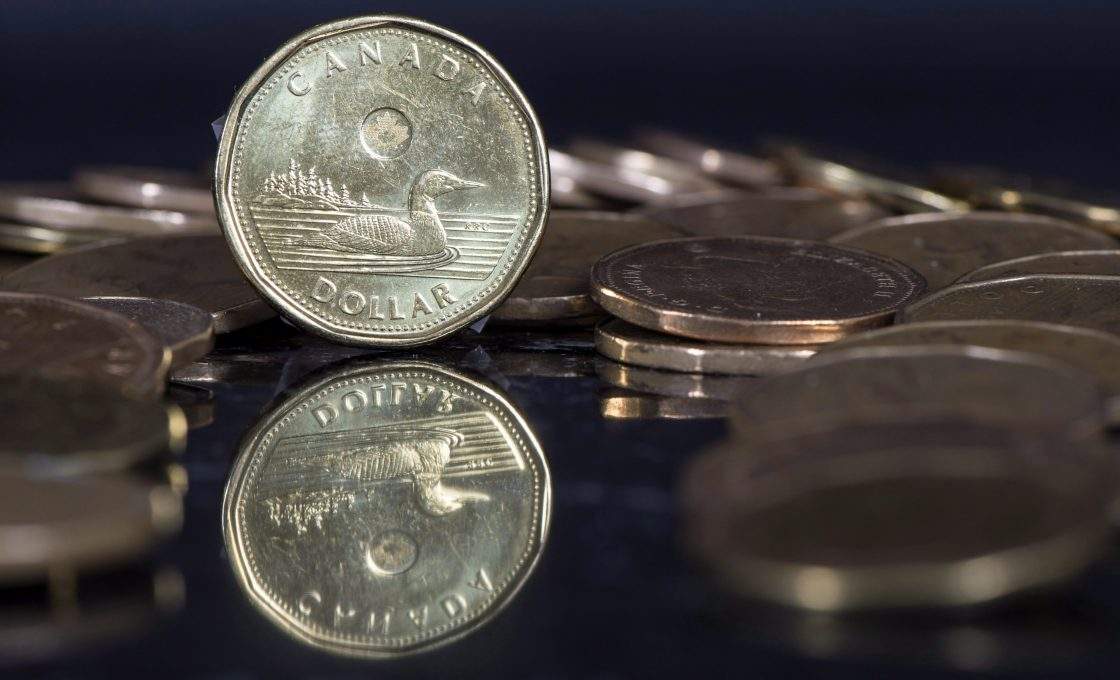
Old age security and CPP payments land in bank accounts on Wednesday
Summarized and contextualized by DistantNews.
At a glance
News
Sources not specified
New plan
- Canadians receiving Old Age Security and Canada Pension Plan payments will see them deposited on Wednesday, July 29.
- Payments have increased by 1.2 percent for the July to September quarter due to inflation adjustments.
- An advocacy group suggests reforming OAS to better direct benefits to lower-income households.
Canadians can expect their Old Age Security (OAS) and Canada Pension Plan (CPP) payments to arrive in their bank accounts on Wednesday, July 29, via direct deposit. Those who receive cheques by mail will have a slightly longer wait. These monthly payments are adjusted for inflation, and a 1.2 percent increase is in effect for the July to September quarter, meaning recipients will likely receive more than they did in June.
Eligibility for OAS payments requires recipients to be at least 65 years old, a Canadian citizen or legal resident at the time of approval, and to have resided in Canada for at least 10 years since turning 18. Unlike CPP, OAS qualifications are not based on employment history or contributions. Instead, the amount received is primarily determined by income declared in the most recent tax year, including income from employment, benefits, rental properties, RRSP withdrawals, and investments.
Maximum monthly OAS payments are up to $751.97 for those aged 65 to 74, and up to $827.17 for those 75 and older. However, these maximums are contingent on declared income falling below certain thresholds. Payments are subject to a "clawback" for every dollar earned above $93,454, with the maximum income threshold for clawbacks set at $152,062 for those aged 65 to 74 and $157,923 for those 75 and over.
Advocacy group Generation Squeeze has called for reforms to the OAS system. The group argues that higher-income Canadians who may not require the additional financial support are still receiving payments automatically. They propose reforms that could potentially save the government billions while redirecting more benefits to lower-income households.
DistantNews Editorial
Originally published by Global News. Summarized and contextualized by our editorial team with added local perspective. Read our editorial standards.
More Stories



From Our Blog

What Gets Lost (and Found) When News Is Translated

The Critical Role of Diaspora Media in Global News

What Travellers Should Know About Countries with Restricted Press

A Digital Nomad's Guide to Following Local News

How the Same Story Looks Different in Different Countries
