


Promising Crop Gives Saskatchewan Farmer Reason to Be Optimistic Amid Rising Costs
Translated from English, summarized and contextualized by DistantNews.
At a glance
News
Sources not specified
Context piece
- Saskatchewan farmer Jared Haight expresses optimism about his current crop, which is visually impressive midway through the growing season.
- Despite the promising appearance, Haight acknowledges the inherent uncertainties of farming, including weather and fluctuating fuel prices.
- Rising fuel costs, influenced by global tensions, are significantly impacting his operational expenses for planting and harvesting.
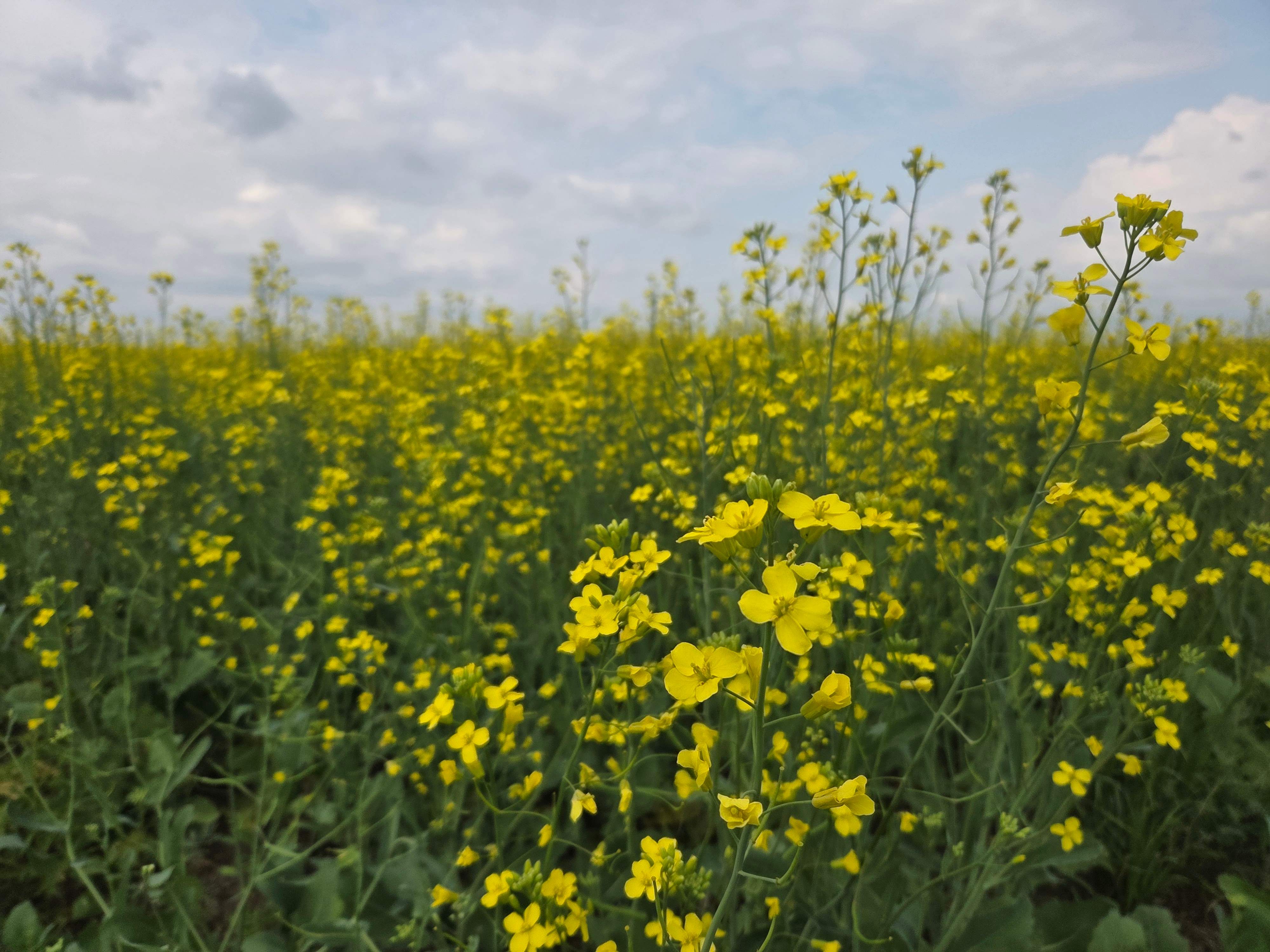
Saskatchewan farmer Jared Haight is feeling optimistic about his crops this year, describing them as visually impressive midway through the growing season. Haight, owner and operator of Hundred Acre Farms near Hanley, Sask., noted that his fields have transformed from bare earth to vibrant green durum and bright yellow canola.
Generally, we’re excited. As a team, we’ve put in a lot of long hours and a lot of hard work. So, it’s nice to see where it is.
"Generally, we’re excited," Haight said. "As a team, we’ve put in a lot of long hours and a lot of hard work. So, it’s nice to see where it is." He considers a crop this good a rarity, estimating only two or three such years over a decade. His team has been diligently spraying for fusarium and utilizing massive pivots for irrigation to ensure optimal moisture levels.
However, Haight remains cautious, aware that farming fortunes can change rapidly. A single hailstorm, excessive rain, or prolonged drought can undo months of labor in minutes. The immediate focus is on protecting the crop from potential threats.
Every day we check to see what is going on in this Straight [of Hormuz]. We check to see where fuel prices are at.
Beyond weather, global events are creating significant uncertainty, particularly concerning fuel prices. Haight closely monitors the situation in the Strait of Hormuz, acknowledging its impact on his bottom line. This season, his fuel expenses are approximately 40% higher than last year. With plans to use 120,000 liters of fuel for planting and harvesting, this increase represents a substantial financial burden.
And that is a big impact. We’re going to use 120,000 litres to put the crop in the ground and to harvest it. And another 30 or 40 percent on that, that’s a pretty big number.
DistantNews Editorial
Originally published by Global News in English. Translated, summarized, and contextualized by our editorial team with added local perspective. Read our editorial standards.
More Stories



From Our Blog

What Gets Lost (and Found) When News Is Translated

The Critical Role of Diaspora Media in Global News

What Travellers Should Know About Countries with Restricted Press

A Digital Nomad's Guide to Following Local News

How the Same Story Looks Different in Different Countries
