


Old skis get new life through innovative recycling research
Translated from German, summarized and contextualized by DistantNews.
At a glance
News
Sources not specified
Context piece
- Researchers at the University of Leoben are developing new methods to recycle winter sports equipment, including skis and boots.
- The "WINTRUST" project aims to recover valuable raw materials from discarded high-tech sports gear, which often ends up in landfill.
- In a model region, the project collaborates with local businesses and municipalities to collect and sort materials for recycling, potentially recovering thousands of tons of resources.
Winter sports gear, a massive market in Austria, often ends up in landfills, wasting valuable resources. The "WINTRUST" project at the University of Leoben is tackling this issue by developing innovative recycling methods for skis, boots, and helmets. These items are challenging to recycle due to their complex construction from various materials.
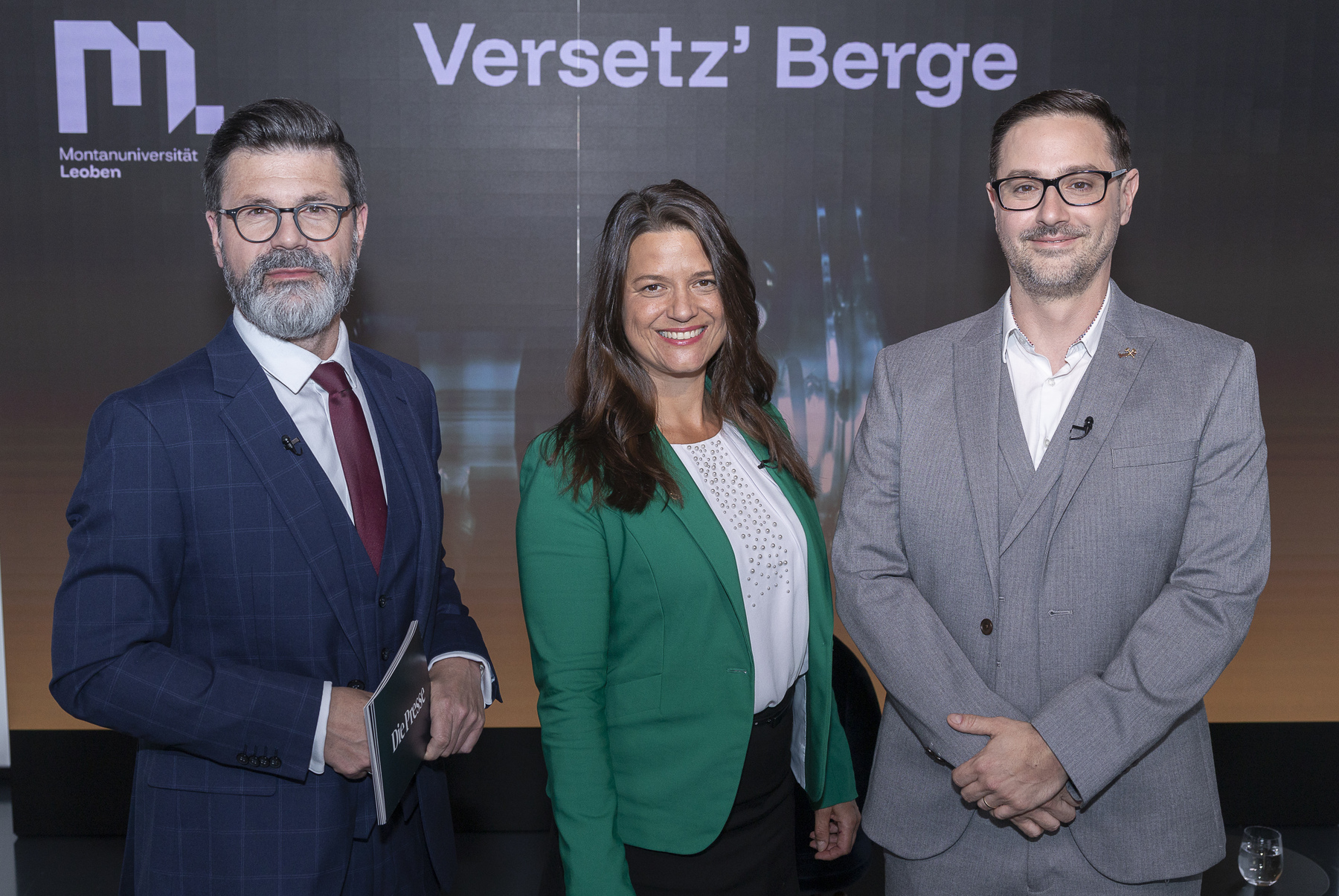
Michaela Plank, project leader and alumna of the university, highlighted the sheer volume of equipment. "Worldwide, about 3.7 million pairs of skis are sold per season, with Austria accounting for 350,000 to 400,000 pairs," she stated. "If you add boots, helmets, and poles, the entire ski equipment, you can imagine how many products are in circulation across Europe."
Worldwide, about 3.7 million pairs of skis are sold per season, with Austria accounting for 350,000 to 400,000 pairs. If you add boots, helmets, and poles, the entire ski equipment, you can imagine how many products are in circulation across Europe.
The "WINTRUST" project, involving 30 companies, institutions, and research facilities, focuses on recovering these valuable raw materials. In the Pinzgau-Pongau model region, a close partnership has been formed with sports retailers, municipalities, and waste management associations. "After collection, the material must be separated into individual groups, such as skis, poles, and boots, as joint processing is not possible," explained David Zidar, the scientific director.
Successful implementation of the "WINTRUST" project could lead to the recovery of thousands of tons of material, reintegrating valuable resources into the supply chain and reducing waste.
After collection, the material must be separated into individual groups, such as skis, poles, and boots, as joint processing is not possible.
DistantNews Editorial
Originally published by Die Presse in German. Translated, summarized, and contextualized by our editorial team with added local perspective. Read our editorial standards.
More Stories


From Our Blog

What Gets Lost (and Found) When News Is Translated

The Critical Role of Diaspora Media in Global News

What Travellers Should Know About Countries with Restricted Press

A Digital Nomad's Guide to Following Local News

How the Same Story Looks Different in Different Countries
