

Olguța Vasilescu, Ironic Towards Nicușor Dan After PSD Vote. What She Thinks Ilie Bolojan Will Do Next
Translated from Romanian, summarized and contextualized by DistantNews.
TLDR
- Romanian Prime Minister Ilie Bolojan's government faces political uncertainty after the PSD party withdrew its support.
- PSD mayor Lia Olguța Vasilescu criticized Bolojan's stance and suggested his government will not survive, predicting a no-confidence vote.
- Vasilescu dismissed speculation that Bucharest mayor Nicușor Dan influenced the PSD's decision, referencing a past comment about his lack of a television.
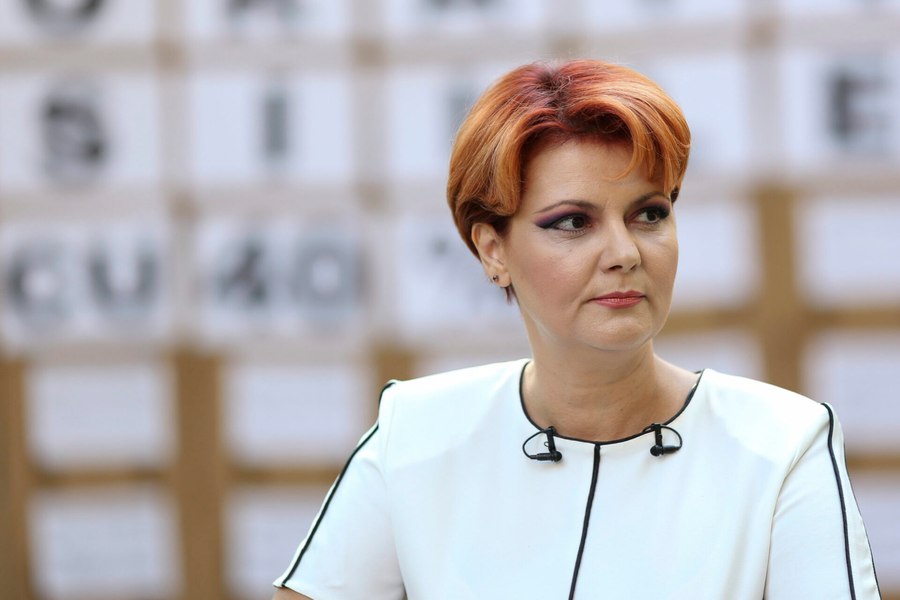
The PSD's decision to withdraw political support for Prime Minister Ilie Bolojan's government has plunged Romania into further political instability, a situation many observers, including PSD officials, predicted was inevitable. Mayor of Craiova, Lia Olguța Vasilescu, speaking on behalf of a significant faction within the PSD, did not mince words, directly criticizing Bolojan's leadership and his perceived intransigence.
I don't believe that! I don't believe that! I don't believe anyone has the power to influence the decisions made in the PSD, and believe me, these discussions have been going on since September, since then we started threatening to leave the government.
Vasilescu's remarks highlight a deep rift within the ruling coalition, with the PSD expressing frustration over Bolojan's alleged opposition to their proposals. Her assertion that discussions about leaving the government have been ongoing since September underscores the prolonged nature of this internal conflict. The mayor's pointed comments, particularly her dismissal of any external influence from Bucharest mayor Nicușor Dan, serve to reinforce the PSD's narrative that the decision was an internal party matter driven by policy disagreements.
If Mr. Nicușor Dan has a TV at home, he certainly knew, because the whole of Romania knew (allusion to Nicușor Dan's announcement that he doesn't have a TV at home to protect his children).
From a Romanian perspective, this political maneuvering is not unusual. Governments often struggle with internal cohesion, and party politics frequently dictate the fate of administrations. The PSD, as a major player, is asserting its influence, and Vasilescu's public statements reflect a common political strategy: to publicly pressure and isolate the prime minister while signaling the party's resolve. The prediction of a no-confidence vote, framed as a near certainty by Vasilescu, is a direct challenge to Bolojan's authority and suggests a coordinated effort to unseat him.
I don't think so. As I saw him, I don't think so. I'm telling you, when he kept threatening in August, September, 'I'm leaving,' at one point he was told: well, leave, since we can no longer respect each other, agree at the table.
What makes this story particularly resonant within Romania is the ongoing drama of coalition politics and the constant jockeying for power. While international media might focus on the potential economic or institutional consequences, for domestic audiences, this is a familiar narrative of political infighting and the struggle for dominance between major parties. The reference to past governments supported by the PSD, like those of Tăriceanu and Cioloș, serves as a reminder of the party's historical role in shaping and unmaking governments, reinforcing its position as a kingmaker in Romanian politics.
These were the only governments that lasted, supported by the PSD, without being in government. (...) We can't sit at the same table with someone who calls us rats, excuse me, you wouldn't sit either.
DistantNews Editorial
Originally published by Adevărul in Romanian. Translated, summarized, and contextualized by our editorial team with added local perspective. Read our editorial standards.
More Stories

From Our Blog

What Gets Lost (and Found) When News Is Translated

The Critical Role of Diaspora Media in Global News

What Travellers Should Know About Countries with Restricted Press

A Digital Nomad's Guide to Following Local News

How the Same Story Looks Different in Different Countries
