


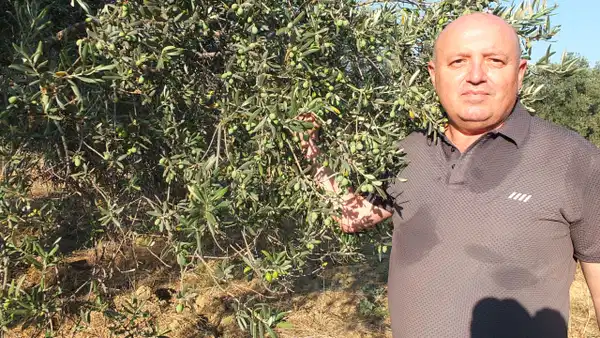
Olive Producers Seek Support Before Harvest: 'High Costs Are Challenging Producers'
Translated from Turkish, summarized and contextualized by DistantNews.
At a glance
News
Sources not specified
Context piece
- Olive producers in Burhaniye, Turkey, are requesting government support due to rising harvest costs, despite expectations of a high yield this year.
- The region anticipates a "bumper year" for olives following favorable rainfall, but increased labor and harvesting expenses are a major concern.
- Producers are asking for direct subsidies and increased export quotas to ensure the quality, strategic importance, and sustainability of olive production.
Olive producers in Burhaniye, a significant olive-growing region in Turkey, are appealing for government support as escalating harvest costs threaten their profitability. After two years of drought, favorable rainfall this past winter and spring have led to expectations of a high olive yield, bringing relief to farmers.
However, with the harvest approximately three months away, the rising costs of labor and harvesting have become the primary concern for producers. Despite the anticipated abundance of olives in the Edremit Bay region, often referred to as a "bumper year," these increased expenses are expected to make the harvest challenging. Producers are therefore calling on the government for direct subsidies.
Olive trees, negatively affected by drought for two years, are quite productive this year thanks to the rains. The high olive harvest in Europe also affects sales prices. Despite this, harvest costs in Burhaniye have reached very high levels. Our producers need subsidy support. State support is essential for olive production to continue to be of high quality, strategic, and sustainable.
Hasan Varol, President of the Burhaniye Chamber of Commerce, emphasized the strategic importance of olives for the region. "Olive trees, negatively affected by drought for two years, are quite productive this year thanks to the rains," he stated. "The high olive harvest in Europe also affects sales prices. Despite this, harvest costs in Burhaniye have reached very high levels. Our producers need subsidy support. State support is essential for olive production to continue to be of high quality, strategic, and sustainable."
Varol also highlighted the need for increased export quotas. "We demand that our product reaches the consumer at a more affordable price both domestically and through regulations within the customs union to increase export quotas," he said. "We expect a harvest of over 400,000 tons this year. Approximately half of the olives produced in Turkey are consumed domestically, with the remainder exported. We are facing serious problems due to quota applications. We expect state support to increase domestic consumption and open the way for exports."
We demand that our product reaches the consumer at a more affordable price both domestically and through regulations within the customs union to increase export quotas. We expect a harvest of over 400,000 tons this year. Approximately half of the olives produced in Turkey are consumed domestically, with the remainder exported. We are facing serious problems due to quota applications. We expect state support to increase domestic consumption and open the way for exports.
DistantNews Editorial
Originally published by Cumhuriyet in Turkish. Translated, summarized, and contextualized by our editorial team with added local perspective. Read our editorial standards.
More Stories


From Our Blog

What Gets Lost (and Found) When News Is Translated

The Critical Role of Diaspora Media in Global News

What Travellers Should Know About Countries with Restricted Press

A Digital Nomad's Guide to Following Local News

How the Same Story Looks Different in Different Countries
