

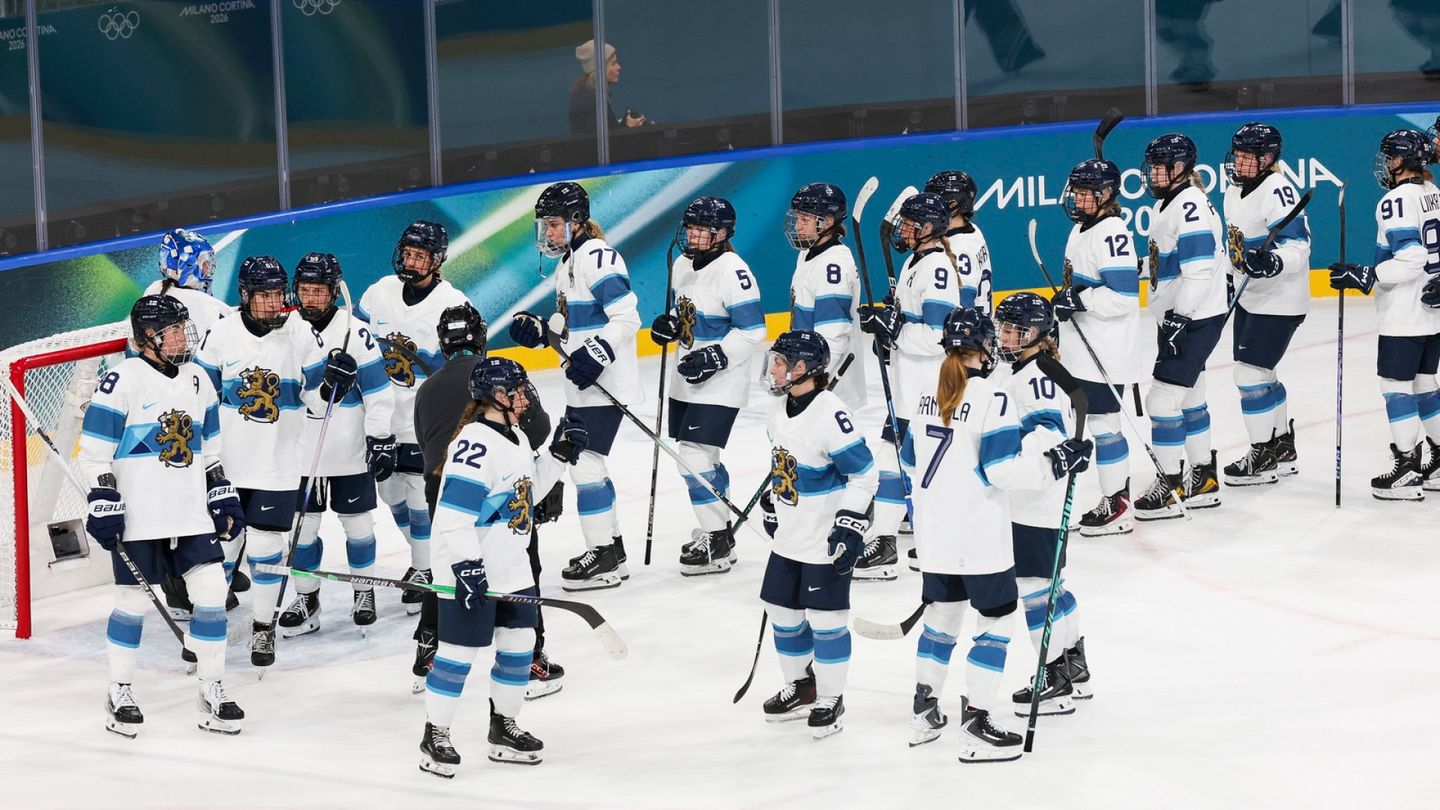
Olympics: International Olympic Committee tightens control, reducing federations' decision-making power
Translated from Finnish, summarized and contextualized by DistantNews.
At a glance
News
Sources not specified
Context piece
- The International Olympic Committee (IOC) has taken full control of sport selection for the Games.
- A new charter grants the IOC the power to choose specific disciplines within sports, reducing the autonomy of international federations.
- This move centralizes power within the IOC, allowing it to more easily justify its decisions based on its own rules.
The International Olympic Committee (IOC) has significantly tightened its grip on the Olympic Games, asserting complete authority over sport and discipline selection. At its 146th General Assembly in Lausanne, Switzerland, the IOC unveiled a new charter that, under section 45, empowers the IOC to unilaterally choose desired competition formats within sports. This marks a substantial shift from the previous system where each international sports federation managed its own Olympic disciplines.
This decision effectively sidelines the decision-making power of sports federations. For instance, the IOC could now remove specific apparatus like the balance beam or horse from gymnastics, even if gymnastics remains an Olympic sport. While this move drastically curtails the federations' autonomy, such a trend toward centralization has been observable in international sports. For example, World Athletics is organizing its own championship, excluding certain disciplines like discus throwing.
The IOC's increasing power is further detailed in the charter's provisions. While it states that the sports program should be announced at least three years before the opening ceremony, it also allows for the bypassing of all deadlines under specific conditions. Federations are also warned that the IOC session is "entitled to remove a sport at any time if the federation does not obey the charter."
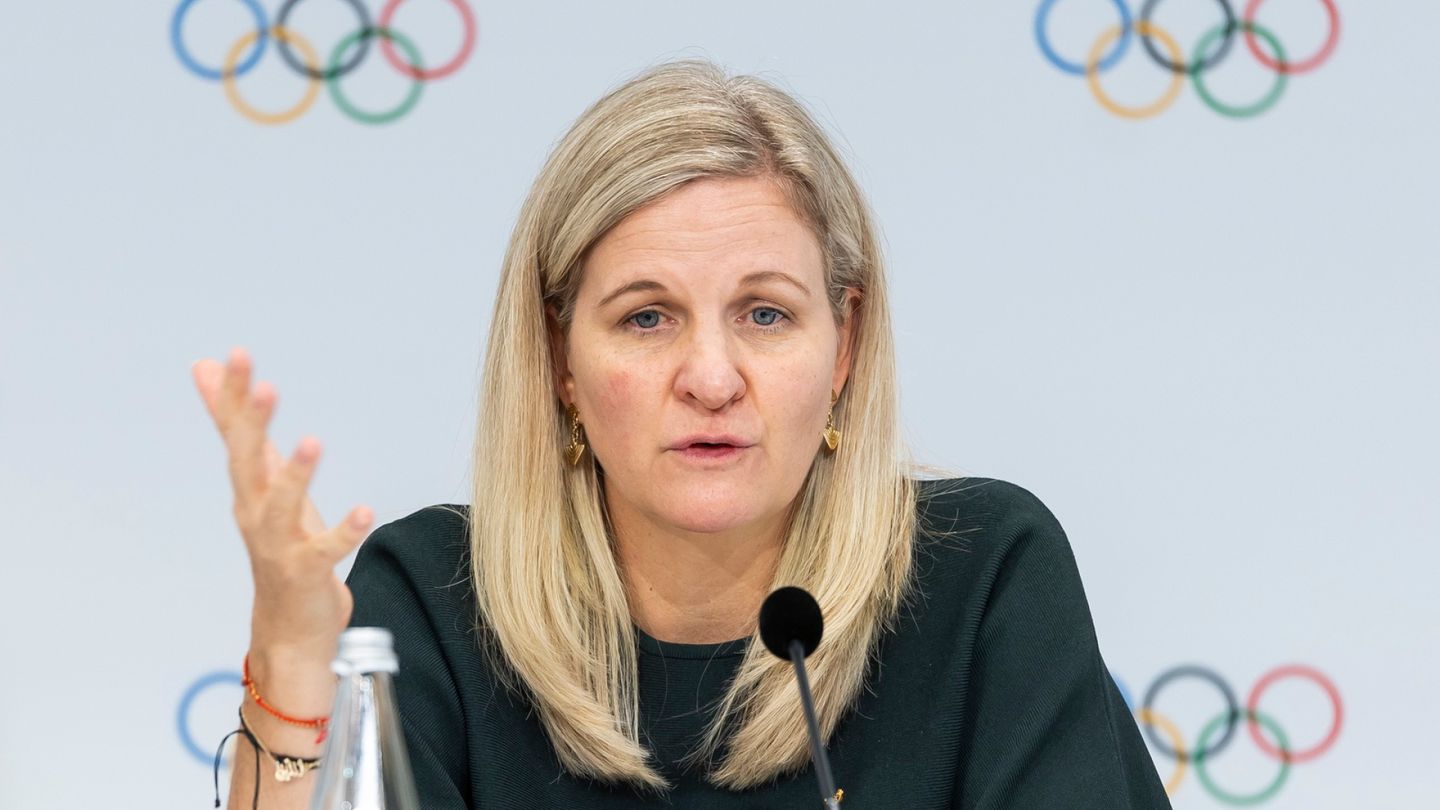
IOC President Kirsty Coventry, a two-time Olympic swimming champion, has emphasized the Olympic Games' unique global standing during her tenure, arguing that external factors should not influence IOC decisions. Critics, however, find this argument problematic, asserting that the Olympics are not detached from global realities. Many countries, including Finland and other Nordic nations, continue to oppose Russia's potential return to the Olympics.
The new charter's emphasis on impartiality reflects Coventry's stance, elevating neutrality as a fundamental principle of the Olympic movement. Previously, the focus was on political neutrality and the self-determination of sports. This technical change signals the IOC's desire to assert its independence, enabling it to more readily justify its decisions based on its own regulations. The General Assembly was also expected to provide clarity on the status of Nordic combined in the Olympics, with a decision anticipated in July.
DistantNews Editorial
Originally published by Helsingin Sanomat in Finnish. Translated, summarized, and contextualized by our editorial team with added local perspective. Read our editorial standards.
More Stories


From Our Blog

What Gets Lost (and Found) When News Is Translated

The Critical Role of Diaspora Media in Global News

What Travellers Should Know About Countries with Restricted Press

A Digital Nomad's Guide to Following Local News

How the Same Story Looks Different in Different Countries
