

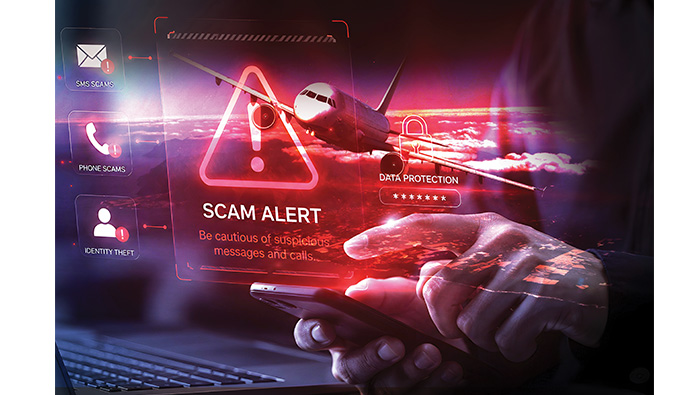
Oman Warns of Rising Sophisticated Online Travel Scams
Translated from English, summarized and contextualized by DistantNews.
At a glance
News
Named sources
Context piece
- Travelers from Oman are increasingly targeted by sophisticated online travel scams using fake booking websites to steal personal and financial information.
- Cybercriminals impersonate well-known travel brands like airlines and booking platforms, employing phishing websites and fraudulent payment portals.
- Cybersecurity experts advise booking only through official channels, verifying website authenticity, avoiding unsolicited offers, and never using unsecured public Wi-Fi for transactions.
A growing wave of sophisticated online travel scams is targeting travelers from Oman, with cybercriminals employing fake airline, hotel, and transport booking websites to steal banking details, personal information, and payments, cybersecurity experts have warned.
As many residents return from summer vacations, overseas travel continues year-round, making fake booking scams a persistent threat. Fraudsters exploit the trust people place in reputable travel brands. They use convincing phishing websites, fraudulent payment portals, and bogus compensation offers to trick unsuspecting travelers. Global cybersecurity company Kaspersky reported that its security solutions detected nearly 270,000 cyberattack attempts linked to popular travel brands worldwide between the second quarter of 2025 and the first quarter of 2026.
Airlines and transport companies are the primary targets, with cybercriminals creating fake websites and phishing campaigns mimicking legitimate services. Many threats involve Trojan malware, including banking Trojans capable of stealing financial credentials and granting attackers direct access to victims' bank accounts. One identified scam impersonated Ryanair, falsely informing travelers they were eligible for flight compensation and urging immediate action by entering account details or paying a small fee. Kaspersky stressed that legitimate airlines do not require upfront payments for compensation claims.
Accommodation booking platforms are also a major target, with Kaspersky recording over 5,400 attack attempts involving hotel and travel booking services during the same period. In one instance, fraudsters created a convincing fake Booking.com payment page, leading travelers to unknowingly enter their personal and banking details. Many only discovered the deception upon arrival at their destination to find no reservation had been made. Evgeny Kuskov, Lead Security Researcher at Kaspersky, noted that "Travel brands sit at a unique intersection of trust, urgency and payment activity, making them highly attractive to cybercriminals."
In Oman, the Consumer Protection Authority (CPA) has also urged the public to remain vigilant against electronic fraud by verifying website authenticity. Cybersecurity experts advise travelers to book only through official websites or trusted mobile applications, carefully check website addresses before making payments, avoid clicking on unsolicited travel offers via email, SMS, or messaging apps, and refrain from conducting financial transactions over unsecured public Wi-Fi networks.
Travel brands sit at a unique intersection of trust, urgency and payment activity, making them highly attractive to cybercriminals.
DistantNews Editorial
Originally published by Times of Oman in English. Translated, summarized, and contextualized by our editorial team with added local perspective. Read our editorial standards.
More Stories

From Our Blog

What Gets Lost (and Found) When News Is Translated

The Critical Role of Diaspora Media in Global News

What Travellers Should Know About Countries with Restricted Press

A Digital Nomad's Guide to Following Local News

How the Same Story Looks Different in Different Countries
