


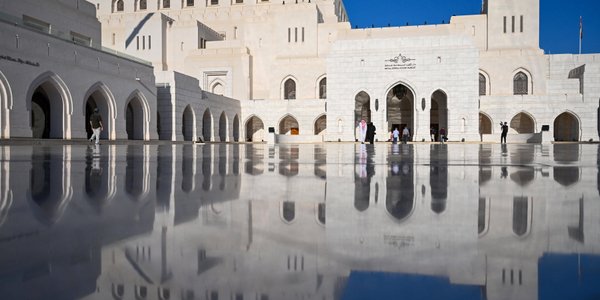
Oman: We don't want to rely solely on oil and gas. We need tourism
Translated from Polish, summarized and contextualized by DistantNews.
At a glance
News
Named sources
Context piece
- Oman aims to diversify its economy beyond oil and gas, increasing non-oil revenue from 33% to 37.4% by 2026.
- The country plans to introduce a 5% income tax for high earners starting January 1, 2028, becoming the first Gulf Cooperation Council country to do so.
- Tourism development, including cultural heritage revitalization, is a key strategy, though the sector remains vulnerable to regional political instability.
Oman is strategically shifting its economic focus away from a heavy reliance on oil and gas. Currently, revenue from natural resources accounts for 67% of the national budget, with oil extraction contributing 5.75 billion Omani rials and gas 1.96 billion rials this year. The nation's eleventh five-year development plan, beginning in 2026, targets an increase in non-oil sector revenue from the current 33% to 37.4%.
To achieve this diversification, Oman is prioritizing the growth of its manufacturing industry, digital economy, and tourism sector. Alongside these initiatives, the government is implementing a fiscal reform that includes introducing a personal income tax. Starting January 1, 2028, Oman will become the first country in the Gulf Cooperation Council to levy a 5% tax on individuals earning over 42,000 rials annually.
The tourism sector experienced a clear slowdown, or even a halt in tourist traffic. Hotels and accommodation facilities recorded a significant drop in occupancy, and some temporarily limited their operations.
Tourism is a cornerstone of Oman's long-term strategy, Vision 2040, which also emphasizes logistics, maritime transport, and green energy. However, experts from the International Monetary Fund have cautioned that Oman's tourism sector is susceptible to political instability in the Persian Gulf region. This vulnerability was evident following the conflict between the US, Israel, and Iran, which led to a noticeable slowdown in tourist traffic and reduced hotel occupancy.
Despite regional tensions, Oman has managed to navigate the situation relatively well. The country continues to attract tourists from Europe and Asia, as well as visitors from within the Gulf during the monsoon season. Experts believe that while Western and East Asian tourism might be affected, Oman's perception as a safe haven could attract more visitors from other Gulf nations. The government is actively developing cultural tourism by revitalizing historical sites like forts, castles, mosques, and traditional settlements, such as the castle in Taqah and the ancient city of Sumhuram, further enhancing its appeal to visitors.
And while these inflows from Western countries, or even from East Asia, may be weakened, I think that residents who want to come from other Gulf countries will not perceive Oman as risky. On the contrary, they will perceive it as safe.
DistantNews Editorial
Originally published by Rzeczpospolita in Polish. Translated, summarized, and contextualized by our editorial team with added local perspective. Read our editorial standards.
More Stories


From Our Blog

What Gets Lost (and Found) When News Is Translated

The Critical Role of Diaspora Media in Global News

What Travellers Should Know About Countries with Restricted Press

A Digital Nomad's Guide to Following Local News

How the Same Story Looks Different in Different Countries
