

On Taiwan, the Trump-Xi Summit Offered More Than Optics
Translated from English, summarized and contextualized by DistantNews.
At a glance
Analysis
Sources not specified
Context piece
- The summit between Donald Trump and Xi Jinping was seen by some as lacking substance, but it marked a turning point in managing US-China rivalry over Taiwan.
- Historically, the US shifted from strategic ambiguity to a more direct stance on Taiwan's defense under George W. Bush.
- The September 11 attacks redirected US priorities to counterterrorism, fostering pragmatic cooperation with Beijing and influencing policy toward Taiwan.
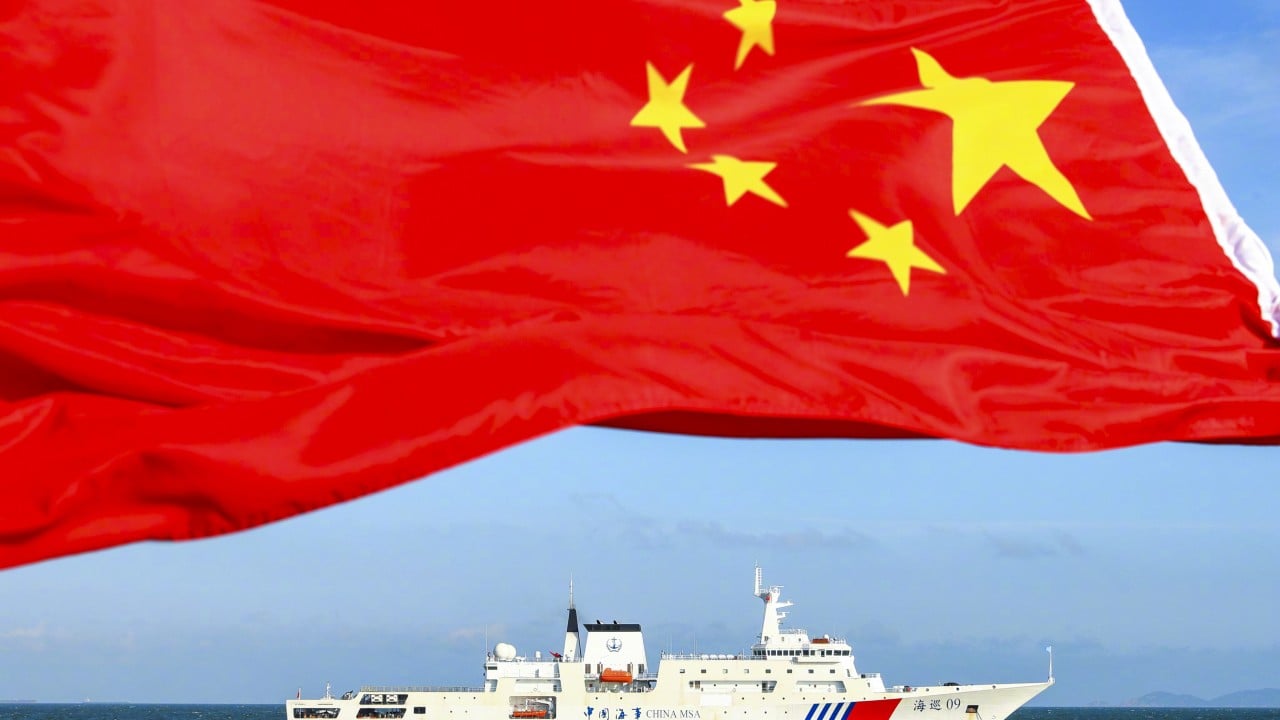
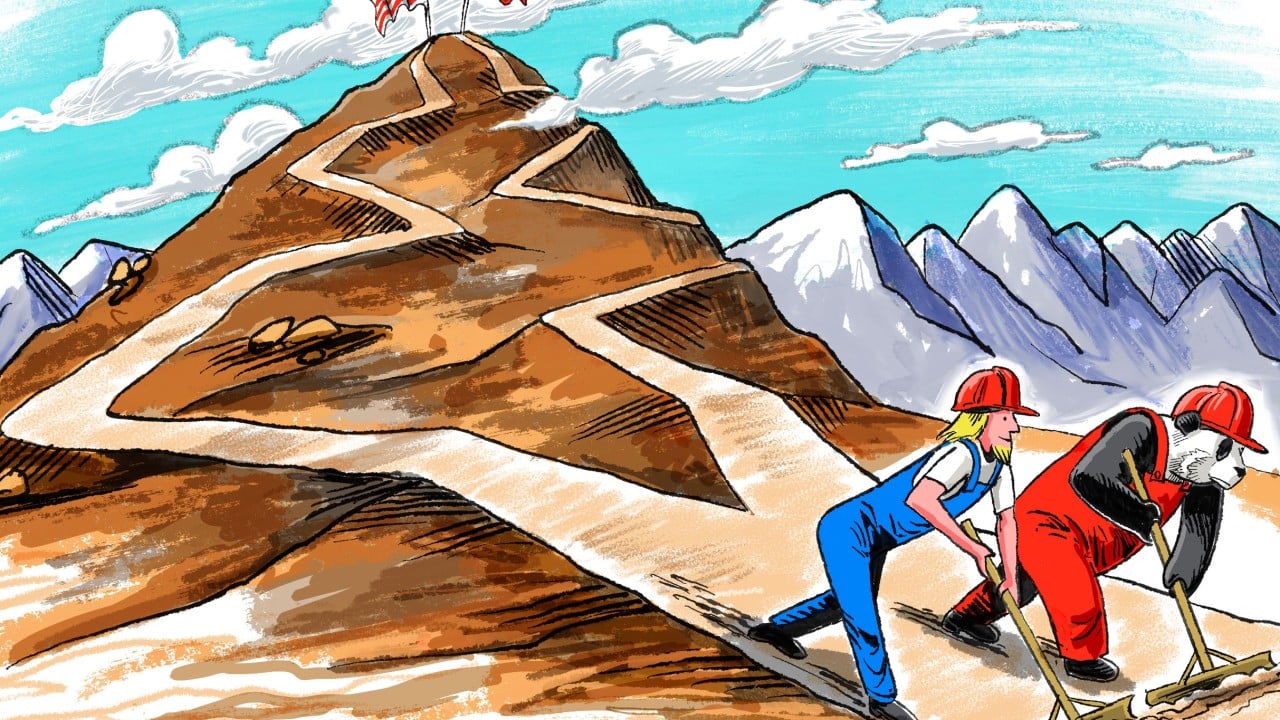
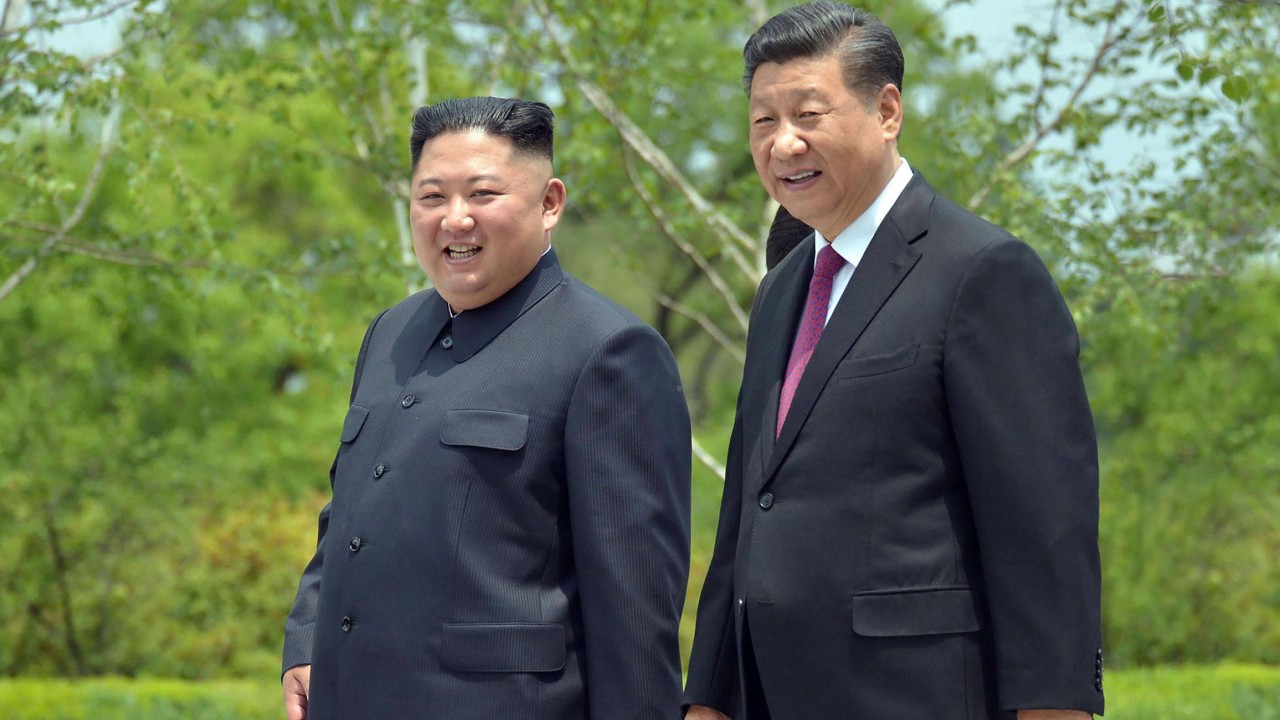
The international media largely dismissed the Beijing summit between Chinese President Xi Jinping and US President Donald Trump as high on optics but low on substance. However, this perspective overlooks a critical shift in how Washington and Beijing manage their rivalry, particularly concerning Taiwan.
To grasp this evolution, a look back at US policy is necessary. In April 2001, President George W. Bush departed from the long-standing policy of "strategic ambiguity" regarding Taiwan. In a television interview, he declared the US would do "whatever it took to help Taiwan defend herself," a notably blunt statement.
whatever it took to help Taiwan defend herself
Bush had initially framed China as a "strategic competitor," anticipating years of confrontational ties. This trajectory was dramatically altered by the September 11 terror attacks just five months later. Counterterrorism became the overriding priority, leading Washington to emphasize pragmatic cooperation with Beijing.
In this new climate, Washington and Beijing collaborated to restrain Taiwan's then-leader, Chen Shui-bian. Emboldened by Bush's earlier remarks, Chen had pushed for a referendum on acquiring advanced missile defenses, even as Beijing continued to aim missiles at the island. Despite private warnings, Bush publicly rebuked Chen in December 2003, stating alongside Premier Wen Jiabao that the US opposed "any unilateral decision by either China or Taiwan to change the status quo." While officials denied it publicly, Bush privately labeled Chen a "troublemaker."
any unilateral decision by either China or Taiwan to change the status quo
DistantNews Editorial
Originally published by South China Morning Post in English. Translated, summarized, and contextualized by our editorial team with added local perspective. Read our editorial standards.
More Stories
From Our Blog

Countries Without a Free Press: What You Need to Know

What Press Freedom Means for the News You Read

What Gets Lost (and Found) When News Is Translated

The Critical Role of Diaspora Media in Global News

What Travellers Should Know About Countries with Restricted Press
