


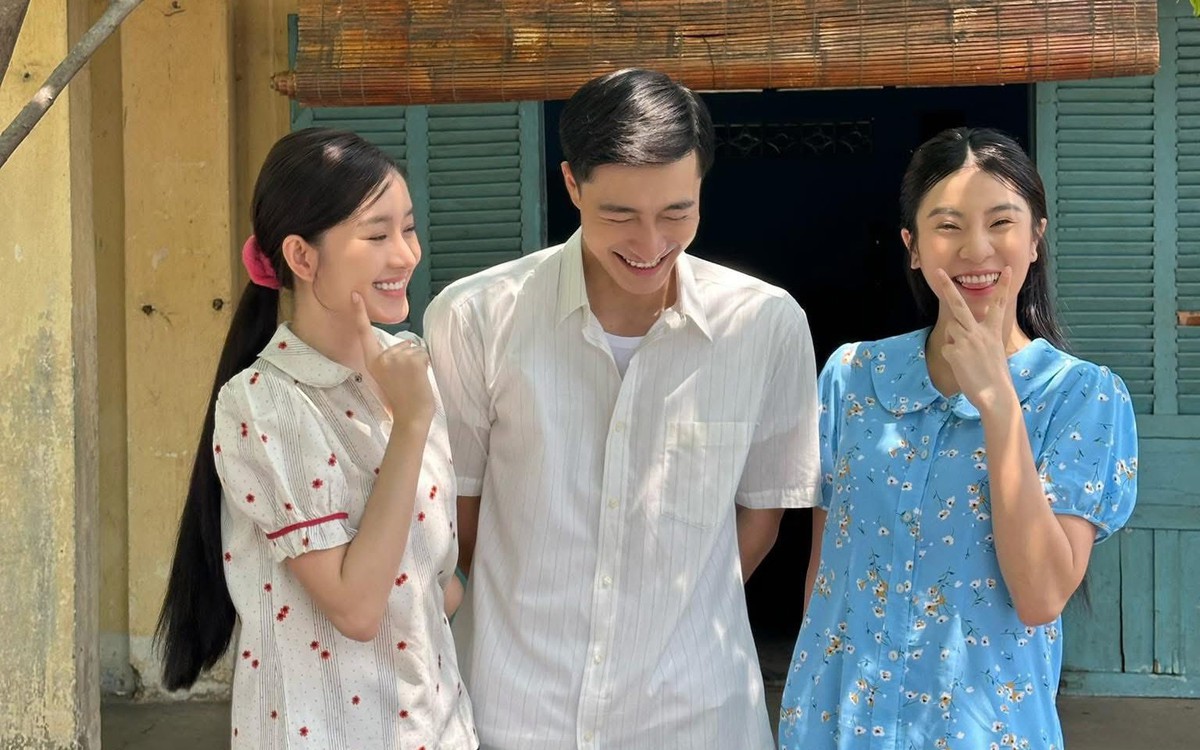
On the Other Side of the Wall: Celebrating 50 Years of the City Named After Uncle Ho
Translated from Vietnamese, summarized and contextualized by DistantNews.
TLDR
- The film "Phía bên kia bức tường" (On the Other Side of the Wall) depicts Ho Chi Minh City during the early đổi mới (renovation) period from 1989-1992.
- It follows the intertwined lives of characters from different backgrounds, including a girl from the North and a boy from a former regime family, exploring their aspirations for a new life and freedom of expression.
- The narrative emphasizes themes of love, compassion, and human connection transcending societal divisions, symbolized by the breaking down of metaphorical walls.
Tuổi Trẻ celebrates the release of "Phía bên kia bức tường" (On the Other Side of the Wall), a new 13-episode film that delves into the transformative years of Ho Chi Minh City during the early đổi mới period (1989-1992). This cinematic work offers a poignant look at a pivotal era in Vietnam's modern history, capturing the hopes and struggles of its people as they navigated profound societal changes.
The film centers on the experiences of Hồng Liên, a 16-year-old girl who moves from the North to the South, and Chính Tâm, an 18-year-old boy living in a neighborhood representing the former regime. Their burgeoning love story, set against the backdrop of a city in flux, symbolizes the potential for reconciliation and understanding between different segments of society. The narrative skillfully portrays how individual aspirations for a better life and the freedom to express oneself were central themes during this period of transition.
"Phía bên kia bức tường" aims to explore the complexities of life in Ho Chi Minh City during a time of significant economic and social reform. It highlights that despite apparent differences in background, ideology, or social standing—represented by the "wall" separating the military housing area and the neighborhood of citizens associated with the old regime—individuals faced similar challenges in building new lives and striving for progress. The film underscores the enduring power of human connection, compassion, and shared humanity as forces that can bridge divides.
From a Vietnamese perspective, this film is significant not only for its artistic merit but also for its potential to evoke collective memory and reflection on the đổi mới era. It provides a narrative lens through which younger generations can understand the sacrifices and aspirations of their predecessors. The story's emphasis on overcoming division and finding common ground resonates deeply within a society that has experienced profound historical shifts and continues to build its future.
DistantNews Editorial
Originally published by Tuổi Trẻ in Vietnamese. Translated, summarized, and contextualized by our editorial team with added local perspective. Read our editorial standards.
More Stories

From Our Blog

What Gets Lost (and Found) When News Is Translated

The Critical Role of Diaspora Media in Global News

What Travellers Should Know About Countries with Restricted Press

A Digital Nomad's Guide to Following Local News

How the Same Story Looks Different in Different Countries
