


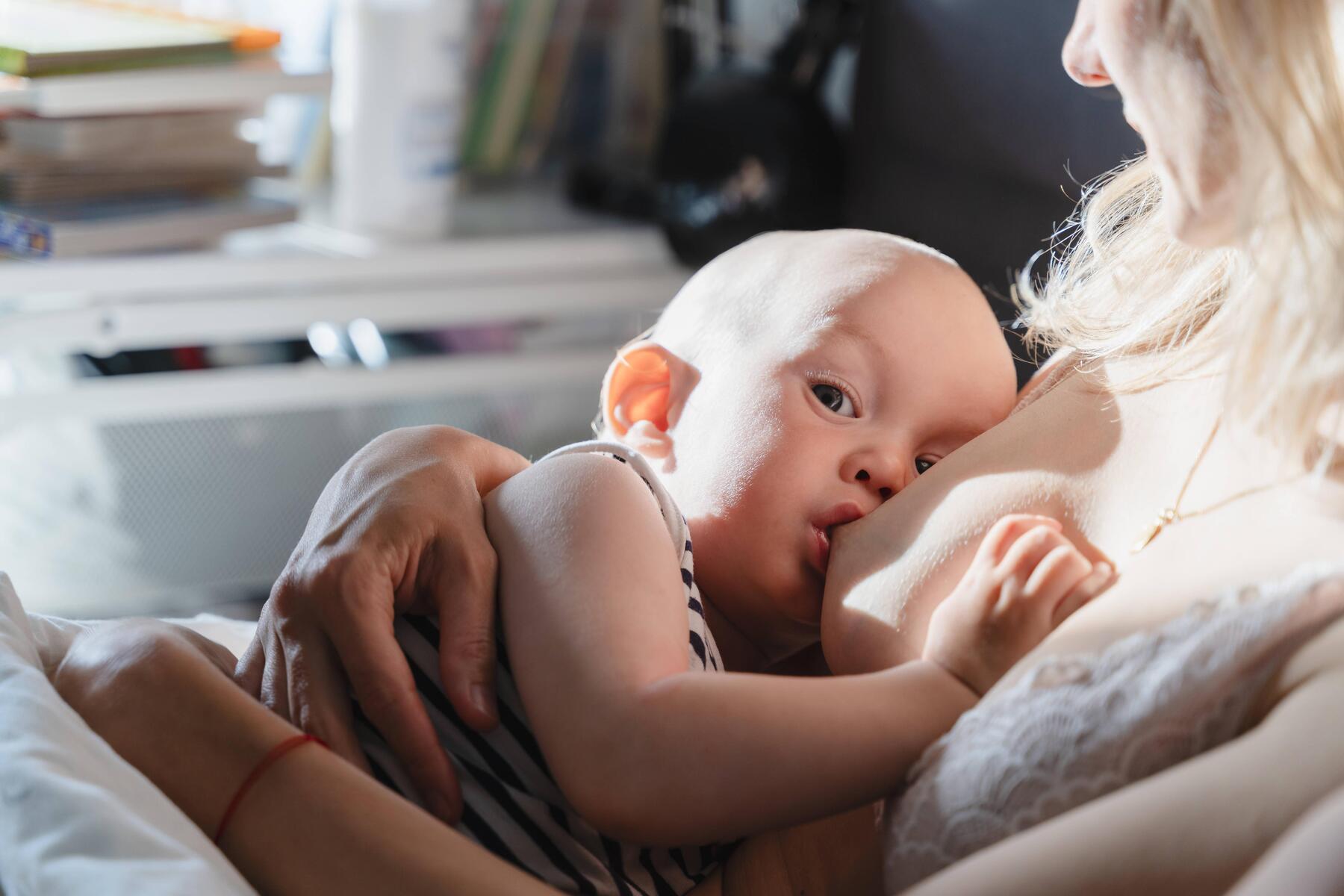
One in five Austrians rejects public breastfeeding of children over one year old
Translated from German, summarized and contextualized by DistantNews.
At a glance
News
Documents & data
Context piece
- A survey in Austria found that 19% of respondents consider public breastfeeding of children aged one year or older inappropriate.
- This sentiment increases with the child's age, with 13% finding breastfeeding children aged two or older unacceptable.
- While the WHO recommends breastfeeding up to age two or beyond, a significant portion of Austrians express discomfort with public nursing of older children, citing reasons like the child being 'too old' or the act being 'irritating'.
Public breastfeeding of children over one year old is considered inappropriate by nearly one in five Austrians, according to a recent survey. While breastfeeding infants is widely accepted, the study reveals a growing discomfort with nursing older children in public spaces.
19 percent of Austrians find public breastfeeding of children aged one year or older not okay, and another 13 percent find breastfeeding children aged two or older not okay.
Specifically, 19% of Austrians find public breastfeeding of children aged one year or older unacceptable. This figure rises to 13% for children aged two and above. The findings come from a representative online poll of 1,000 individuals conducted in June by market research institute TQS for baby product manufacturer MAM, coinciding with World Breastfeeding Week.
Conversely, 39% of respondents found breastfeeding acceptable regardless of the child's age. However, the survey highlighted a clear trend: the older the child being breastfed, the greater the disapproval among respondents. Only 3% deemed breastfeeding babies under six months inappropriate, but this sentiment increased significantly for older children.
The older the breastfed child was, the greater the incomprehension among the respondents.
The World Health Organization (WHO) recommends exclusive breastfeeding for the first six months, followed by the introduction of complementary foods while continuing breastfeeding up to age two or beyond. Despite these recommendations, reasons cited for disapproval included the child being "too old" (39%), the act being "irritating" (21%), and concerns about the child becoming too dependent on the mother (14%). Qualitative comments revealed sentiments like, "It doesn't look good and doesn't present a good image in public," and "A woman doesn't need to expose her breasts in public."
39 percent found the child simply 'too old', 21 percent found breastfeeding older children 'irritating'.
Differences in opinion were also noted across age groups and education levels. Younger respondents (16-29 years) were less critical of public breastfeeding of older children (14% disapproval) compared to older respondents (50-65 years, 24% disapproval). Individuals with academic degrees were more likely to view public breastfeeding as natural, regardless of age (45% acceptance). Sabrina Krejan from MAM expressed dismay at the level of discomfort and rejection surrounding public breastfeeding, stating, "We have been advocating for the normalization of breastfeeding in public for four years now and are shocked every year by how much unease – or even rejection – breastfeeding causes."
It doesn't look good and doesn't present a good image in public.
DistantNews Editorial
Originally published by Die Presse in German. Translated, summarized, and contextualized by our editorial team with added local perspective. Read our editorial standards.
More Stories



From Our Blog

What Gets Lost (and Found) When News Is Translated

The Critical Role of Diaspora Media in Global News

What Travellers Should Know About Countries with Restricted Press

A Digital Nomad's Guide to Following Local News

How the Same Story Looks Different in Different Countries
