

One Man's Trash Cleanup Effort Grows into 100-Volunteer Movement in Houston
Translated from English, summarized and contextualized by DistantNews.
At a glance
News
Named sources
Context piece
- Andrew Beaver started cleaning dumped trash alone in South Houston, leading to a 100-volunteer movement called "Clean the Block."
- The nonprofit organizes cleanups in underserved neighborhoods, filling trucks with illegally dumped waste.
- Partnerships with groups like Sole Ties Run Club and social media efforts have mobilized residents to improve their communities.
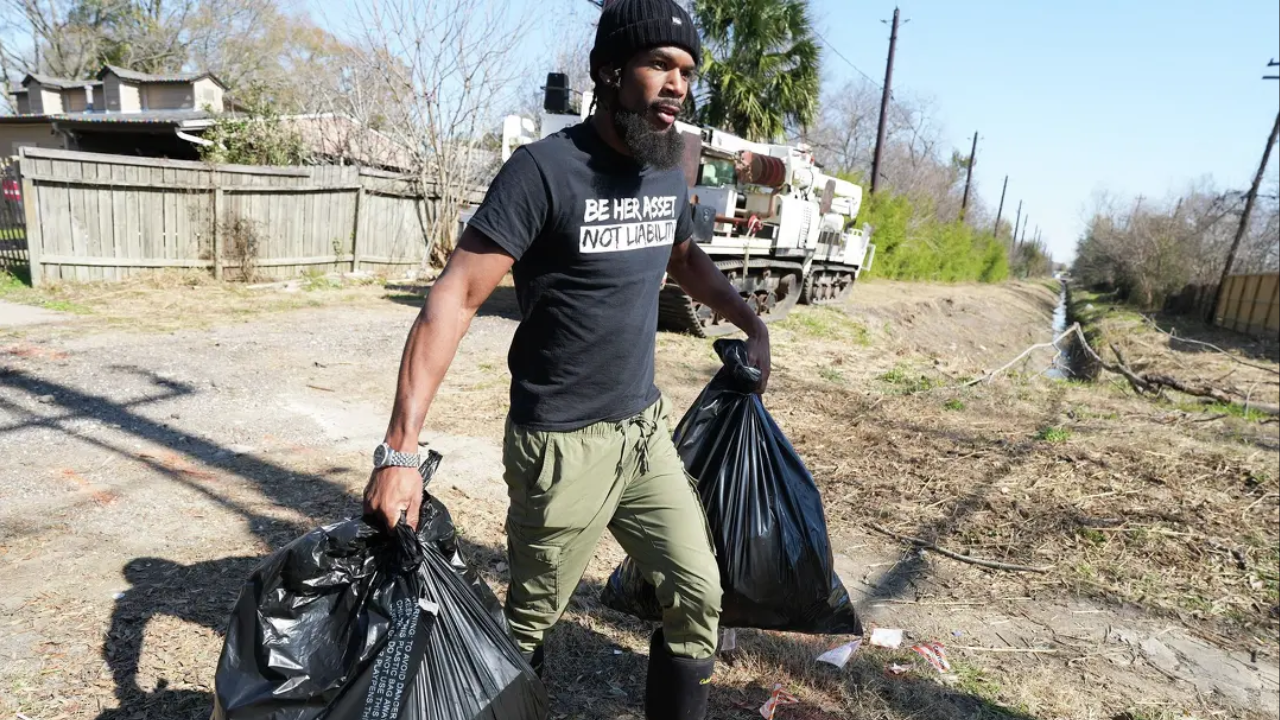
What began as a solitary effort by Andrew Beaver to clear dumped furniture and rubbish in South Houston has blossomed into a 100-person volunteer campaign dedicated to cleaning historically underserved neighborhoods. Beaver, 37, a real estate investor, started clearing abandoned lots and alleyways in November without prior organizational experience.
I grew up thinking, ‘Trash is disgusting. Someone should do something about it,’ But I’m in this area, I invest here, and if it’s giving so much to me, I wanted to find a way to give back.
His nonprofit, Clean the Block, now orchestrates group cleanups across areas like Sunnyside and Third Ward, filling hired trucks with illegally dumped waste. "I grew up thinking, ‘Trash is disgusting. Someone should do something about it,’" Beaver said. "But I’m in this area, I invest here, and if it’s giving so much to me, I wanted to find a way to give back."
A recent Sunday cleanup in Sunnyside, reported by the Houston Chronicle, drew about 100 volunteers. Equipped with walkie-talkies and heavy gloves, participants tackled narrow alleyways, streets, creeks, and vacant lots, often while listening to music. The momentum was amplified through a partnership with Sole Ties Run Club, a local running group that integrates fitness with community service.
You’re more likely to impact the community you live in by pouring back into the people. You have all these beautiful homes, and when there’s trash everywhere, it makes people feel like the neighborhood isn’t being served properly.
Robel Yemane, co-founder of Sole Ties, noted that social media posts showcasing Beaver's daily efforts helped attract a large turnout. "You’re more likely to impact the community you live in by pouring back into the people," Yemane stated. "You have all these beautiful homes, and when there’s trash everywhere, it makes people feel like the neighborhood isn’t being served properly." Social media transformed online followers into active volunteers, with individuals like Emma Kremowski, 25, joining after seeing the project on Instagram. "It’s hard not to be involved in some way with everything going on. We’ve got to show that we care," she said.
I’m a big fan of community initiatives. It’s hard not to be involved in some way with everything going on. We’ve got to show that we care.
For residents living near persistent dumping sites, the community effort offers tangible improvements. Emily Wroczynski, a Third Ward resident, shared, "It feels like you’re doing something that actually makes a difference." Community groups often fill gaps where city services struggle to keep pace, as residents in Sunnyside and Third Ward report abandoned rubbish often remains for weeks or months. While coordinating waste removal with authorities was initially challenging, communication has improved, with city officials providing logistical support and dispatching "hot teams" for large-scale removals.
It feels like you’re doing something that actually makes a difference.
DistantNews Editorial
Originally published by Times of India in English. Translated, summarized, and contextualized by our editorial team with added local perspective. Read our editorial standards.
More Stories

From Our Blog

What Press Freedom Means for the News You Read

What Gets Lost (and Found) When News Is Translated

The Critical Role of Diaspora Media in Global News

What Travellers Should Know About Countries with Restricted Press

A Digital Nomad's Guide to Following Local News
