


One of the biggest European crises in recent years began with a rumor. We have no defense against it.
Translated from Danish and summarized by DistantNews. Read the original for the full story.
At a glance
In-depth
Sources not specified
Outcome reported
- A surge of 70,000 migrants to Ceuta was fueled by rumors spread on social media, suggesting Europe was open.
- The event highlights the vulnerability of borders to misinformation and psychological warfare.
- The author argues that while physical defenses exist, the 'cognitive battlefield' remains undefended.
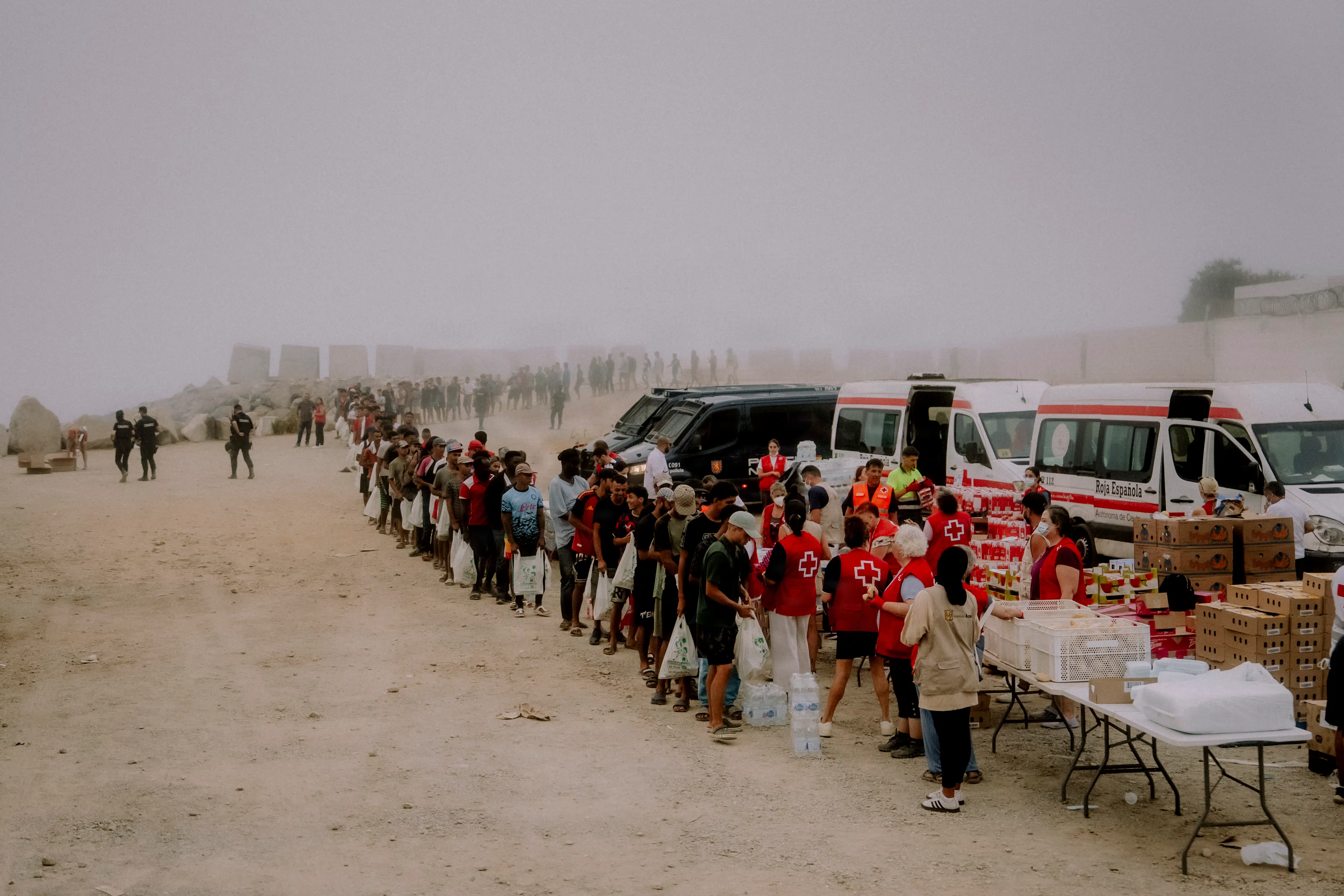
A massive influx of nearly 70,000 migrants to the Spanish enclave of Ceuta, originating from Morocco, was reportedly driven by a widespread rumor: that Europe's borders were open. This event, described as one of the largest European crises in recent years, unfolded rapidly, overwhelming border controls.
He had a picture on it, it depicted him and another North African man, they were sitting on the deck of an orange coast guard ship and smiling. They had wet hair.
The rumor spread like wildfire through social media platforms including Instagram, TikTok, Facebook, and WhatsApp. Online posts and videos shared details of migrants successfully reaching Ceuta, along with information on swimming routes and patrol patterns of Spanish and Moroccan border guards. This created a powerful, albeit false, narrative of opportunity.
A journalist recounted an encounter with a young migrant who showed him a photo on his phone, depicting himself and another man smiling on a coast guard ship after attempting to swim to Europe. The migrants, with wet hair, had been drawn by the rumors of an open continent.
They had tried to swim to Europe from Morocco because they had heard rumors that Europe was open.
The crisis underscores a critical vulnerability: the human mind as a target for hybrid warfare. While physical barriers like border fences can be constructed, the article argues that there is currently no effective defense against the manipulation of information and perception. This leaves societies exposed on a "cognitive battlefield."
I had heard that Europe was open.
About this summary
Originally published by Berlingske in Danish. Translated, summarized, and contextualized automatically by DistantNews, with a note on how the source frames the story. Not individually reviewed before publishing. How this works.
More Stories

From Our Blog

What Gets Lost (and Found) When News Is Translated

The Critical Role of Diaspora Media in Global News

What Travellers Should Know About Countries with Restricted Press

A Digital Nomad's Guide to Following Local News

How the Same Story Looks Different in Different Countries
