

Online shopping: Beware of extra costs: Customs now apply to cheap packages
Translated from German, summarized and contextualized by DistantNews.
At a glance
News
From a news agency
New plan
- The European Union has eliminated its customs duty exemption for shipments valued under 150 euros, impacting consumers ordering goods from outside the bloc.
- A flat fee of 3 euros per product category will be charged, which sellers are expected to pass on to customers, potentially making low-cost items significantly more expensive.
- Experts anticipate price increases on e-commerce platforms, with consumers bearing the brunt of these additional costs, especially for very cheap articles.
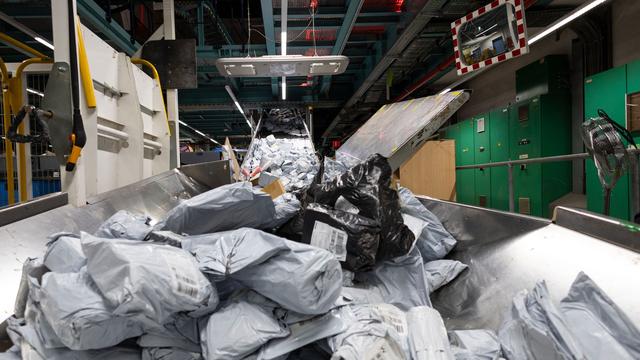
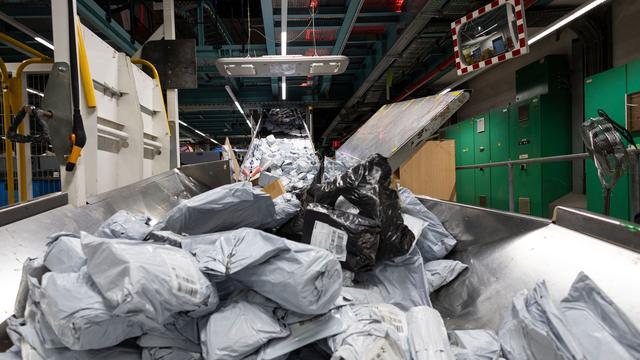
Consumers making online purchases from outside the European Union should brace for higher costs, as new customs regulations have taken effect. The previous exemption for shipments valued under 150 euros has been removed, meaning all goods imported into the EU from non-member countries are now subject to customs duties.
We are already seeing prices rise on the platforms, so the costs are overwhelmingly landing with the consumers.
A flat fee of 3 euros per product group will be levied. For example, ordering three T-shirts worth 30 euros will now incur an additional 3 euros in customs charges. If a children's toy is also included, the total customs fee could rise to 6 euros. While sellers and importers are responsible for the declaration and payment, experts like Karolin Junker de Neui from Etribes predict that these costs will largely be passed on to consumers, leading to price hikes on e-commerce platforms.
The additional costs will be passed on at least partially to customers, because the room for maneuver is limited, especially with very low-priced items.
Lars Hofacker from the EHI Retail Institute expects these additional costs to be at least partially transferred to customers, noting that the profit margins on very low-priced items are limited. Alien Mulyk, designated CEO of the German E-Commerce and Distance Selling Trade Association (bevh), stated that consumers will be the primary sufferers, facing significantly higher prices even for orders from reputable non-European sellers. She added that prices might remain "insurmountably low" only if Asian vendors absorb the new charges, though this is unlikely for extremely low-cost providers.
Even orders from reputable sellers in non-European countries will now cost them significantly more.
Online shopping portals like Shein and Temu, popular for their inexpensive products shipped to Europe, did not respond to inquiries regarding the new regulations. The German Customs authority advises consumers to check sellers' terms and conditions to see if the flat customs fee is already included in the purchase price or if the buyer is expected to handle customs clearance. Typically, postal services or courier companies manage customs processing and advance import duties, which are then billed to the recipient.
Before ordering from a non-EU country, consumers should check, for example, the seller's terms and conditions to see whether the flat customs duty is already included in the sales price or whether customs processing is intended by the buyer.
DistantNews Editorial
Originally published by Die Zeit in German. Translated, summarized, and contextualized by our editorial team with added local perspective. Read our editorial standards.
More Stories



From Our Blog

What Gets Lost (and Found) When News Is Translated

How the Same Story Looks Different in Different Countries

The Critical Role of Diaspora Media in Global News

What Travellers Should Know About Countries with Restricted Press

A Digital Nomad's Guide to Following Local News
