


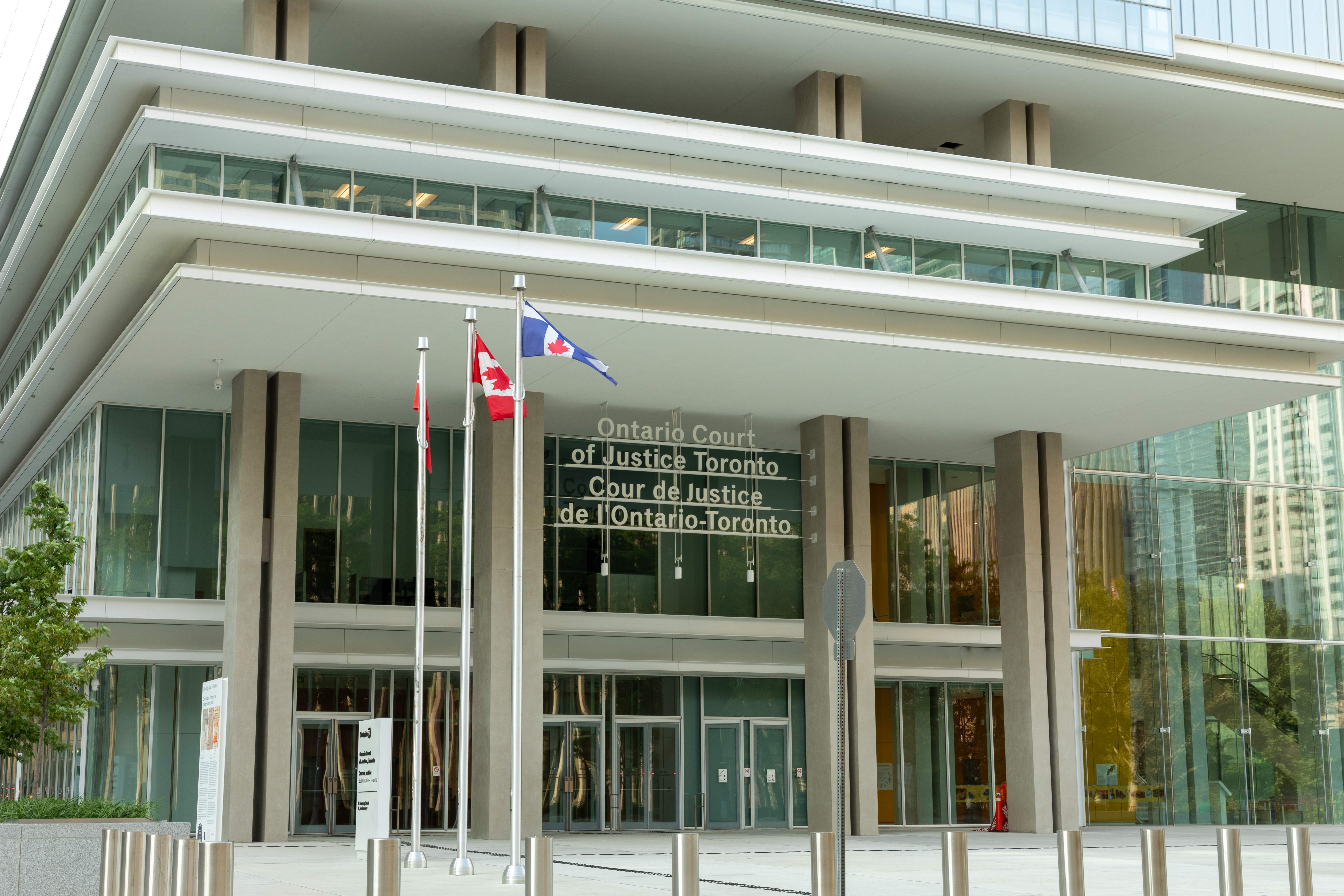
Ontario government implementing new bail requirements
Summarized and contextualized by DistantNews.
At a glance
News
Sources not specified
New plan
- Ontario, Canada, has implemented new bail requirements targeting repeat offenders, including a full cash security deposit due within two business days of release.
- The province can now collect unpaid debts through methods like bank account garnishment and property seizure.
- Critics argue the changes may deter sureties from bailing out individuals, potentially impacting the release of those who would otherwise be eligible.
The Ontario government is enacting stringent new bail requirements aimed at curbing repeat offenders. Effective Monday, individuals released from custody will be obligated to pay a full cash security deposit within two business days. This measure represents a significant shift in how bail conditions are enforced in the province.
We cannot accept a revolving-door bail system that puts innocent people, families, and communities at risk.
Beyond the immediate deposit, the government is empowering itself to pursue unpaid debts through various means, including garnishing bank accounts, placing liens on properties, and even seizing and selling assets. Sureties, those who guarantee an accused person's release, will also face stricter requirements for providing up-to-date contact and identification information.
Ontario Attorney General Doug Downey stated the province cannot tolerate a "revolving-door bail system" that endangers the public. "People expect a justice system that protects them. They expect bail conditions to mean something. And they expect consequences when those conditions are ignored," Downey said, emphasizing the need for accountability.
People expect a justice system that protects them. They expect bail conditions to mean something. And they expect consequences when those conditions are ignored.
However, criminal defense lawyer Michael Coristine expressed concerns that the reforms might have unintended consequences. He suggested the new cash deposit rule could discourage potential sureties. "It may prevent people from willingly coming forward to bail out someone who otherwise would be releasable because they don’t want to have to convert all of their investments, or take a line of credit against their home, or empty their savings just to fulfil a promise that they believe they can adhere to," Coristine explained.
If the goal is to keep people behind bars, it will have an effect on that, but not necessarily [in] the way that’s being intended.
Coristine noted that while Ontario has historically had a cash-for-bail option, it was used infrequently. The more common system involved a "promise to pay," where sureties would assure the court of their financial capacity. The new requirement for an immediate two-day cash payment, he believes, could have a "chilling effect" on bail for individuals who should otherwise be released under the legislation.
It may prevent people from willingly coming forward to bail out someone who otherwise would be releasable because they don’t want to have to convert all of their investments, or take a line of credit against their home, or empty their savings just to fulfil a promise that they believe they can adhere to.
DistantNews Editorial
Originally published by Global News. Summarized and contextualized by our editorial team with added local perspective. Read our editorial standards.
More Stories


From Our Blog

What Gets Lost (and Found) When News Is Translated

The Critical Role of Diaspora Media in Global News

What Travellers Should Know About Countries with Restricted Press

A Digital Nomad's Guide to Following Local News

How the Same Story Looks Different in Different Countries
