


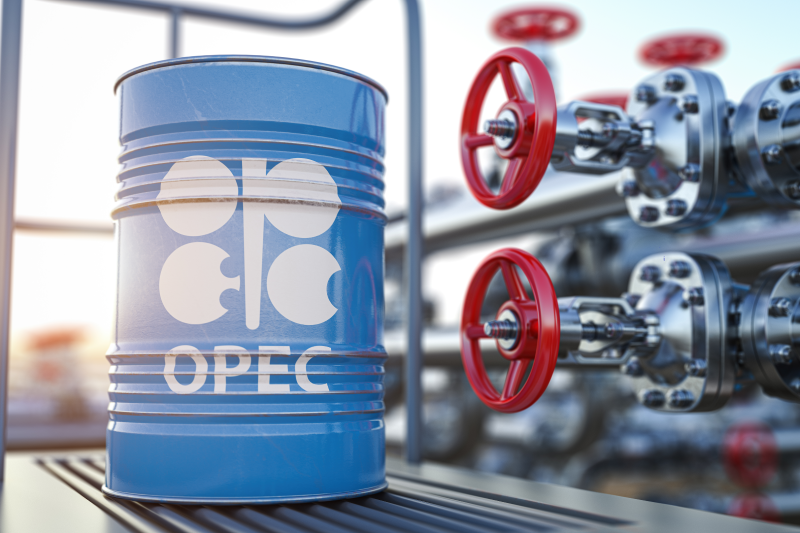
OPEC+ raises quotas again as Middle East calms
Summarized and contextualized by DistantNews.
At a glance
News
Named sources
New plan
- Seven OPEC+ members, including Saudi Arabia and Russia, agreed to increase oil production quotas by 188,000 barrels per day for August 2026.
- The decision follows the easing of tensions and reopening of the Strait of Hormuz after a memorandum of understanding between Iran and the U.S.
- Analysts anticipate a potential oil surplus next year, posing challenges for OPEC+ cohesion as members may push for higher production.
Seven OPEC+ members, including key players Saudi Arabia and Russia, have decided to raise their oil production quotas by 188,000 barrels per day, effective August 2026. The decision comes as the Middle East conflict de-escalates and maritime traffic in the Strait of Hormuz normalizes.
for now, production is probably still below
Gulf countries, particularly Saudi Arabia, Iraq, and Kuwait, significantly cut output after Iran's actions nearly paralyzed the Strait of Hormuz, blocking oil exports for months. Production from these three nations alone fell by approximately six million barrels per day between the first quarter of 2026 and May. However, a recent memorandum of understanding signed between Tehran and Washington on June 17 aims to facilitate maritime traffic, paving the way for increased exports.
shut-in production takes time to restart
Commodity analysts suggest that while shipping has slowly recovered, restarting shut-in production takes time. Giovanni Staunovo of UBS noted that current production is likely still below OPEC+ targets. Ole Hansen of Saxo Bank anticipates July will show improvement, with August seeing an accelerated pickup in output, assuming continued normalization of shipping.
Assuming shipping continues to normalise, July will show an improvement with August probably being the month where the pickup accelerates
Looking ahead, analysts like Jorge Leon of Rystad Energy foresee a potential oil surplus next year. While rebuilding inventories depleted during the conflict may absorb initial flows, producers could face strong downward pressure on prices. This scenario could test the cohesion of OPEC+, which has already seen the United Arab Emirates depart. Iraq, seeking to compensate for wartime shortfalls, has requested higher quotas, though Hansen suggests this need is not imminent and may be addressed in a 2027 capacity review.
For next year, everybody is anticipating a surplus
DistantNews Editorial
Originally published by Vanguard. Summarized and contextualized by our editorial team with added local perspective. Read our editorial standards.
More Stories


From Our Blog

How the Same Story Looks Different in Different Countries

What Gets Lost (and Found) When News Is Translated

The Critical Role of Diaspora Media in Global News

What Travellers Should Know About Countries with Restricted Press

A Digital Nomad's Guide to Following Local News
