


Opera Review: 'Isoviha' is an Opera Every Finn Should See
Translated from Finnish, summarized and contextualized by DistantNews.
At a glance
News
Sources not specified
Context piece
- The opera "Isoviha" at the Ilmajoki Music Festival depicts the cruelties of the Russian occupation from 1713-1721.
- Composer Uljas Pulkkis and writer Anneli Kanto's work draws parallels to the current war in Ukraine.
- The opera is a powerful reminder of Finland's tragic historical events and is recommended viewing for all Finns.
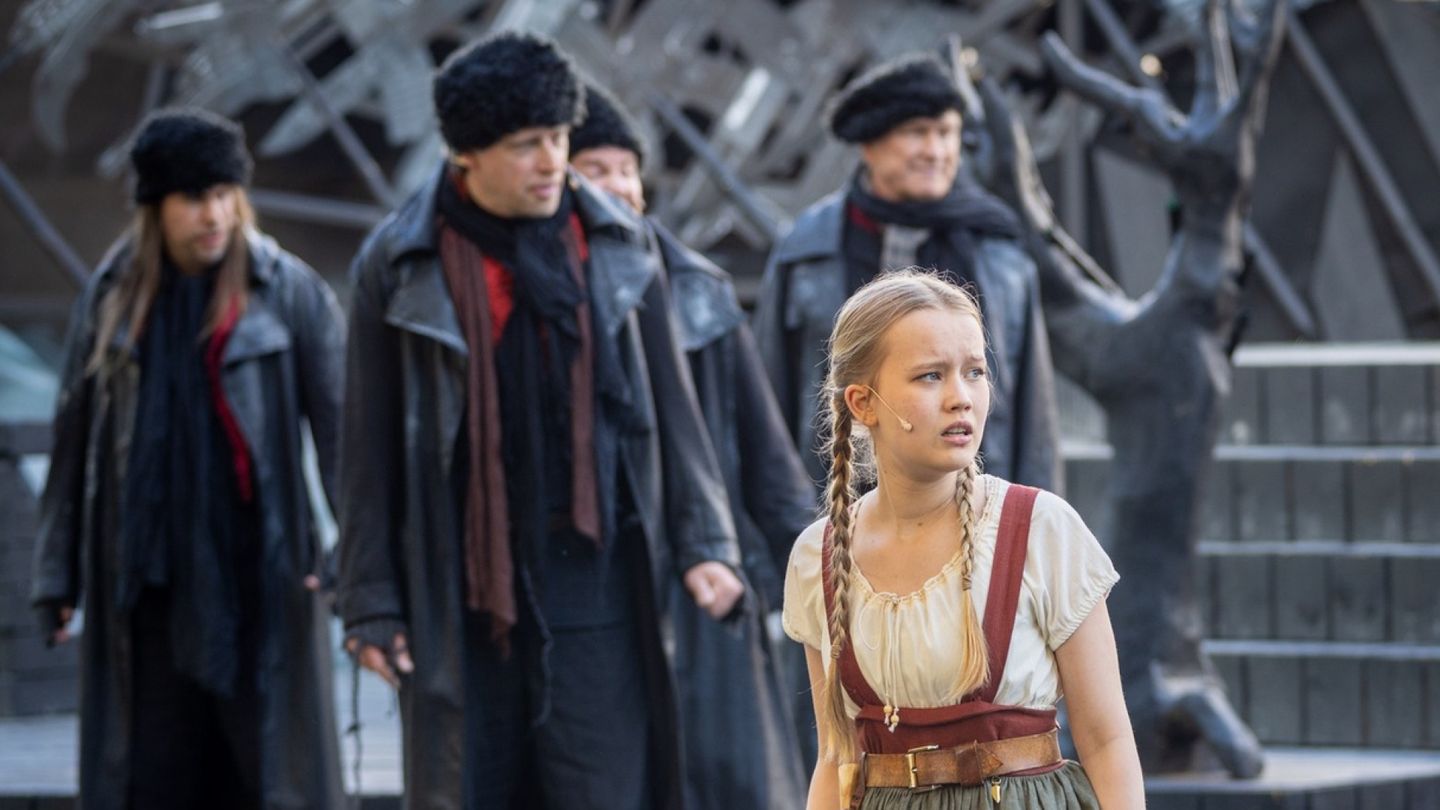
The Ilmajoki Music Festival is presenting "Isoviha" (The Great Wrath), an opera that powerfully portrays the brutalities of the Russian occupation of Finland between 1713 and 1721. Composer Uljas Pulkkis and librettist Anneli Kanto have created a work that resonates deeply with contemporary events, drawing explicit parallels to the ongoing war in Ukraine.
The Isoviha opera at the Ilmajoki Music Festival depicts the cruelties of the Russian occupation from 1713–1721.
This opera serves as a stark reminder of Finland's historical traumas, events that many may only know by name. The production aims to bring these difficult historical moments to life, offering audiences a visceral understanding of past suffering and its potential echoes in the present.
The work by composer Uljas Pulkkis and writer Anneli Kanto draws parallels to the war in Ukraine.
"Isoviha" is described as an opera that every Finn should see. It highlights the importance of remembering and understanding historical atrocities to contextualize current global conflicts. The performance is a significant cultural event, offering both artistic merit and historical reflection.
The opera is a reminder of tragic events in Finland's history, which many only know by name.
The opera is staged at Ilmajoki until June 14. Minja Rantalainen performs the role of a household daughter taken into slavery, a poignant depiction of the human cost of the occupation. The production is directed by Tuomas Parkkinen, adding another layer of artistic vision to this historically charged narrative.
The opera is visible in Ilmajoki until June 14.
DistantNews Editorial
Originally published by Helsingin Sanomat in Finnish. Translated, summarized, and contextualized by our editorial team with added local perspective. Read our editorial standards.
More Stories



From Our Blog

What Gets Lost (and Found) When News Is Translated

The Critical Role of Diaspora Media in Global News

What Travellers Should Know About Countries with Restricted Press

A Digital Nomad's Guide to Following Local News

How the Same Story Looks Different in Different Countries
