


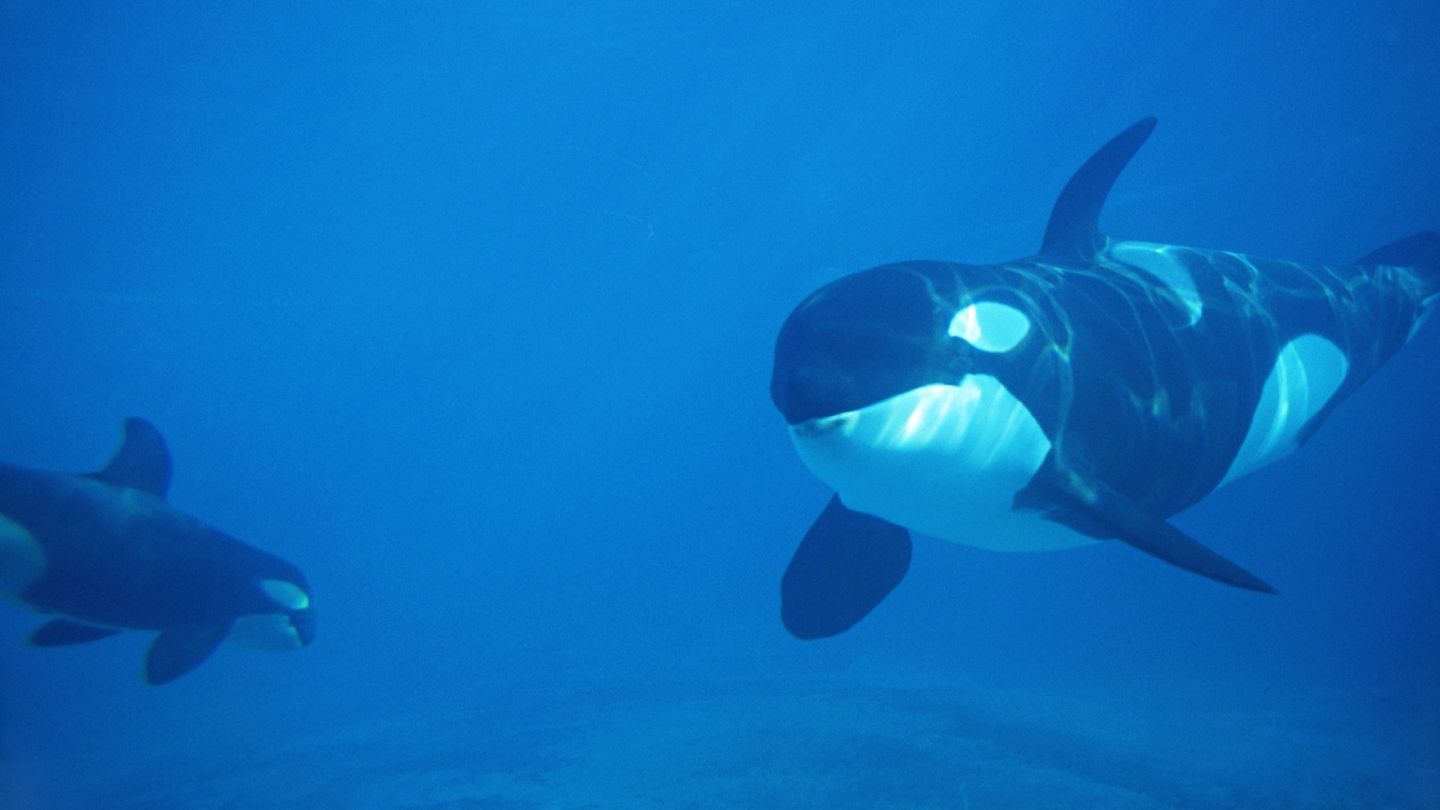
Orcas' playfulness captured on video: Fish explodes after being smashed
Translated from Finnish, summarized and contextualized by DistantNews.
At a glance
News
Documents & data
Context piece
- Orcas have been documented engaging in a new behavior: using large, heavy fish as projectiles to smash them apart.
- Researchers observed two instances where female orcas used dead sunfish, with males then accelerating and smashing the fish with immense force, causing them to explode.
- The behavior might serve to create smaller pieces for calves to eat or simply be a form of entertainment for the orcas.
Orcas, apex predators of the ocean, have revealed a new and surprising form of play: using large sunfish as explosive projectiles. Researchers have documented two distinct incidents, both captured on video, where these powerful marine mammals demonstrated this unusual behavior in the waters of the Sea of Cortez.
The first video shows a female orca holding a dead sunfish by its tail fin. A male orca then accelerates rapidly, and the female releases the fish. The male strikes the sunfish with such force that it literally explodes, disintegrating into pieces. The sound of the impact is clearly audible on the recording. A young orca, watching nearby, then begins to consume the remnants of the fish.
A second video captures a similar event, this time involving two female orcas and a calf. Again, the sunfish is smashed into pieces by the force of the orca's impact. Researchers suggest this behavior could have multiple purposes. One possibility is that it breaks down the sunfish into smaller, more manageable pieces, essentially creating a "baby food" for the calves. However, the adult orcas were not observed eating the smaller fragments in either instance.
Another equally plausible explanation is that the destruction of the sunfish is purely for the orcas' amusement. While researchers are still determining if the same orcas were involved in both observed events, this new documented behavior adds another layer to the complex and often playful nature of these intelligent marine mammals. The findings were published in the journal Frontiers in Ethology.
DistantNews Editorial
Originally published by Helsingin Sanomat in Finnish. Translated, summarized, and contextualized by our editorial team with added local perspective. Read our editorial standards.
More Stories



From Our Blog

What Gets Lost (and Found) When News Is Translated

The Critical Role of Diaspora Media in Global News

What Travellers Should Know About Countries with Restricted Press

A Digital Nomad's Guide to Following Local News

How the Same Story Looks Different in Different Countries
