


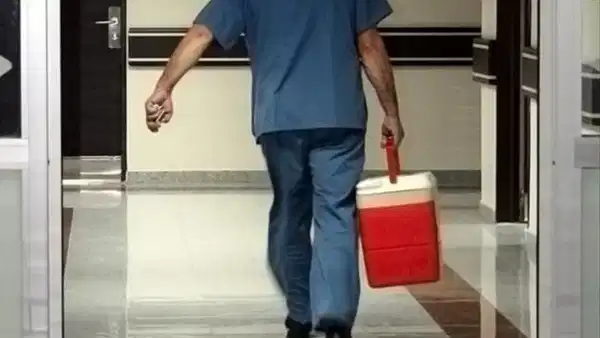
Organ Donation Crisis in Turkey: Focus Shifts to Artificial Organs and Animal Transplants
Translated from Turkish, summarized and contextualized by DistantNews.
At a glance
News
Named sources
Context piece
- Organ donation rates in Turkey remain critically low, with only 3-4 donors per million people.
- Doctors are exploring alternative organ production methods, including xenotransplantation, stem cells, and 3D printing.
- There is hope that Malatya could become a global hub for transplantation through these advanced technologies.
Organ donation rates in Turkey are alarmingly low, hovering at just 3 to 4 donors per million population, according to Prof. Dr. Adil Başkıran from İnönü University's Liver Transplant Institute.
This stark statistic highlights a critical need for alternative solutions to address the shortage of viable organs for transplantation. In response, researchers in Malatya are actively pursuing cutting-edge technologies to produce organs.
These efforts include xenotransplantation, which involves using animal organs, stem cell therapies, and advanced 3D printing techniques to create functional organs. Başkıran expressed strong confidence in these initiatives.
"I believe Malatya will become the world's transplantation capital, not just for liver transplants, but also for kidney, heart, and lung transplants," Başkıran stated, underscoring the potential of these innovative approaches to revolutionize organ replacement therapies.
I believe Malatya will become the world's transplantation capital, not just for liver transplants, but also for kidney, heart, and lung transplants.
DistantNews Editorial
Originally published by Cumhuriyet in Turkish. Translated, summarized, and contextualized by our editorial team with added local perspective. Read our editorial standards.
More Stories



From Our Blog

What Gets Lost (and Found) When News Is Translated

The Critical Role of Diaspora Media in Global News

What Travellers Should Know About Countries with Restricted Press

A Digital Nomad's Guide to Following Local News

How the Same Story Looks Different in Different Countries
