


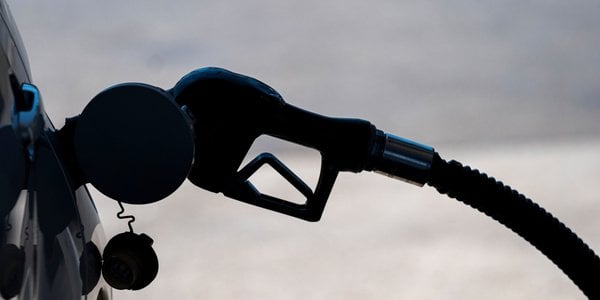
Orlen reveals the mechanism for cheap fuel: low prices came at a cost
Translated from Polish, summarized and contextualized by DistantNews.
At a glance
News
Named sources
Context piece
- Poland maintained the lowest fuel prices in the EU in Q2 2026 through a strategic compromise involving tax cuts and higher fuel company margins.
- Orlen played a dual role, stabilizing domestic prices while maximizing profits abroad, contributing significantly to its record revenue.
- The model prevented fuel shortages and speculative buying, with the expectation that excess profits would be taxed to offset government revenue losses from tax reductions.
Poland achieved the European Union's lowest fuel prices in the second quarter of 2026 through a strategic compromise, according to Orlen CEO Ireneusz Fąfara. This mechanism involved the government reducing taxes like VAT and excise duty, while fuel companies compensated for the budget shortfall by increasing their margins. These higher margins were then intended to be subject to a windfall tax on extraordinary profits.
The government lowered taxes (VAT, excise), and fuel companies compensated for this budget shortfall through higher margins, which in turn were to be taxed with a levy on extraordinary profits (so-called Windfall Tax). This model allowed us to keep prices for customers low, guarantee fuel availability without depleting strategic reserves, and ensure decent profits for the companies.
This tripartite model allowed for low consumer prices, ensured fuel availability without depleting strategic reserves, and provided fuel companies with adequate profits. Fąfara stated that Orlen acted in a dual capacity, stabilizing domestic prices crucial for the economy and customers, while aggressively maximizing profits in foreign markets such as Germany, the Czech Republic, and the Baltic states. This dual strategy allowed Orlen to simultaneously support the country's energy stability and achieve record financial results, with 36% of its revenue coming from abroad.
Orlen viewed this solution positively, aligning with the company's, customers', and country's interests. The company believes that maintaining customers' purchasing power, controlling inflation, and fostering economic growth are vital for its long-term success. The system was designed with the expectation that the government would recoup revenue losses from tax cuts through the windfall tax on the companies' excess earnings.
We are beneficiaries of this system, not its victims. This dual strategy allowed us to simultaneously achieve the goal of the country's energy stability and reach record financial results.
The mechanism for low fuel prices comprised three interdependent elements: a reduction in public duties (VAT, excise), an increase in refinery margins by fuel companies to offset global price fluctuations and ensure strong Q2 financial results, and the planned windfall tax on these excess profits to compensate the state budget. This intricate system aimed to balance affordability for consumers with profitability for energy companies and fiscal stability for the government.
This mechanism had its rationality. We assessed this solution positively from the very beginning because it is in the interest of the company, customers, and the country. In the long run, it is important for us that customers have the ability to buy fuel, inflation does not rise, and there is economic growth, because we will always be its beneficiaries. CPN provided the appropriate set of tools.
DistantNews Editorial
Originally published by Rzeczpospolita in Polish. Translated, summarized, and contextualized by our editorial team with added local perspective. Read our editorial standards.
More Stories


From Our Blog

What Gets Lost (and Found) When News Is Translated

The Critical Role of Diaspora Media in Global News

What Travellers Should Know About Countries with Restricted Press

A Digital Nomad's Guide to Following Local News

How the Same Story Looks Different in Different Countries
