


Our Personal Trainer: The underestimated Sling trainer
Translated from German, summarized and contextualized by DistantNews.
At a glance
In-depth
Sources not specified
Context piece
- The Sling trainer, a simple yet effective fitness tool, is underutilized despite its benefits for strength and rehabilitation.
- Fitness coach Sebastian Grüner advocates for the Sling trainer, highlighting its ability to assist with exercises that may be challenging for beginners or those recovering from injuries.
- The device provides adjustable support, making it suitable for individuals who cannot yet perform traditional exercises like squats and lunges.
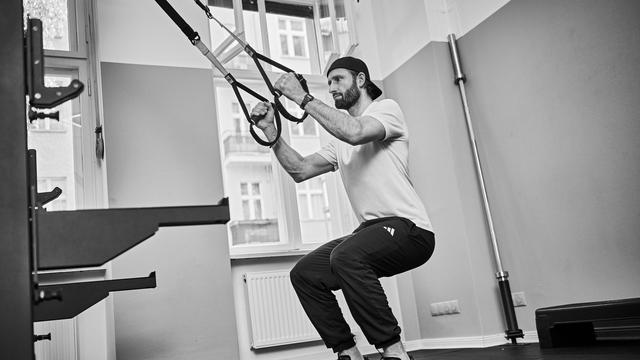
In the ongoing series "Our Personal Trainer," Berlin-based fitness coach Sebastian Grüner aims to guide readers toward becoming stronger, healthier, and more aesthetically pleasing. This week's focus is on the Sling trainer, a piece of equipment Grüner believes is underestimated and underused.
Consisting of just two straps and two handles, the Sling trainer can be attached to a stable bar or secured in a doorway. Grüner finds its current popularity lacking but is determined to change that. While previously recommended for challenging exercises like push-ups and rowing variations, its role is shifting.
This week, the Sling trainer is being presented not as a tool to increase difficulty, but to make exercises more accessible. Grüner emphasizes its utility for individuals who have been inactive for extended periods, those with knee issues, who are overweight, or are undergoing rehabilitation after an injury. These individuals may find classic exercises like squats and lunges difficult to perform.
The Sling trainer offers a solution by providing precisely the amount of assistance needed. This adaptability allows users to gradually build strength and progress towards more demanding movements, making fitness achievable for a wider range of people.
DistantNews Editorial
Originally published by Die Zeit in German. Translated, summarized, and contextualized by our editorial team with added local perspective. Read our editorial standards.
More Stories


From Our Blog

What Gets Lost (and Found) When News Is Translated

How the Same Story Looks Different in Different Countries

The Critical Role of Diaspora Media in Global News

What Travellers Should Know About Countries with Restricted Press

A Digital Nomad's Guide to Following Local News
