


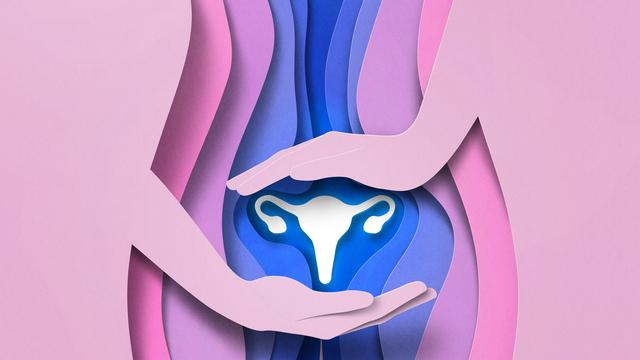
Ovaries continue to work after menopause, new study suggests
Translated from German, summarized and contextualized by DistantNews.
At a glance
News
Sources not specified
Context piece
- Contrary to previous understanding, ovaries may not cease activity after menopause but rather shift their function.
- A new study suggests that ovaries continue to work by changing their job instead of retiring completely.
- This finding reframes the role of ovaries as organs that adapt their function throughout a woman's life.
For decades, medical understanding has depicted ovaries as diligent workers that gradually wind down their operations. Typically, between the ages of 50 and 55, most women enter postmenopause, a phase where ovaries are considered to have retired from their primary roles of maturing eggs, producing hormones, and regulating the menstrual cycle.
This view implied that women carried an organ with no active function for a significant portion of their lives, potentially up to a third of their lifespan. However, a recent study published in the scientific journal Molecular Human Reproduction challenges this long-held belief.
The research suggests that ovaries do not simply go into retirement after menopause. Instead, they appear to change their job, adapting their function rather than ceasing it altogether. This new perspective positions the ovaries as organs that continue to be active, albeit in a different capacity, throughout a woman's later life.
This ongoing activity, even if altered, offers a new understanding of these vital organs and their role beyond reproductive years. The study implies that ovaries remain functional, adapting to new roles much like a diligent employee might transition to different responsibilities within a company.
DistantNews Editorial
Originally published by Die Zeit in German. Translated, summarized, and contextualized by our editorial team with added local perspective. Read our editorial standards.
More Stories

From Our Blog

What Gets Lost (and Found) When News Is Translated

How the Same Story Looks Different in Different Countries

The Critical Role of Diaspora Media in Global News

What Travellers Should Know About Countries with Restricted Press

A Digital Nomad's Guide to Following Local News
