

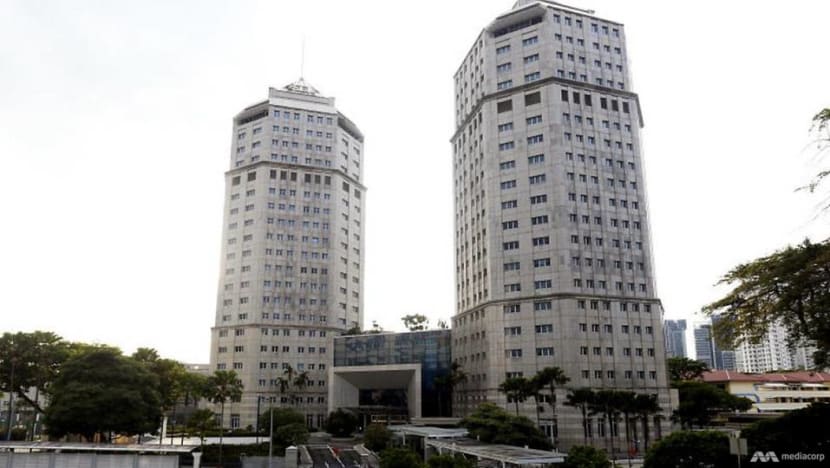

Outrage in China as Streaming Site Debuts AI Actor Database
Translated from English, summarized and contextualized by DistantNews.
TLDR
- Chinese streaming platform iQIYI is facing backlash over its new AI actor database, which allows creators to use actors' likenesses in AI-generated content.
- Over 100 celebrities have reportedly not signed up, with fans expressing concerns about job displacement and the loss of human warmth in artistic works.
- iQIYI claims the initiative is a "misunderstanding," stating it facilitates connections between AI creators and actors, who retain control over image usage.
The recent controversy surrounding iQIYI's "artist database" highlights a growing tension in China's rapidly evolving entertainment landscape: the integration of artificial intelligence and its impact on human actors. While iQIYI, a major player in the Chinese streaming market, frames the initiative as a technological advancement to connect creators and actors, a significant portion of the public and the industry perceives it as a threat.
More than 100 celebrities have joined a platform to connect with makers of AI-generated content interested in using their image
Fans and many actors have voiced strong opposition, taking to social media to declare their non-participation and decry the platform's move. The sentiment is that this initiative could lead to a reduction in work opportunities for human actors and, more profoundly, strip artistic creations of their essential human warmth and authenticity. The phrase "iQIYI went nuts" trended on Weibo, reflecting the widespread public outcry and concern that AI-generated content might devalue human artistry, with some even suggesting that fully human-made work could become a relic of the past, akin to "intangible cultural heritage."
We are not currently licensing the likeness of actors. Rather, we are enabling AI creators and actors to more quickly establish connections through Nadou Pro
From a Chinese perspective, the debate touches upon deeply held values regarding artistry, authenticity, and the role of human expression in culture. While China is at the forefront of AI development, there's a concurrent appreciation for traditional arts and the human touch. The fear is that a wholesale adoption of AI in creative fields could lead to a homogenization of content and a loss of the unique cultural nuances that human creators bring. This concern is amplified by the potential for AI to replicate likenesses without genuine emotional depth, raising questions about the soul of storytelling.
There’s a misunderstanding here. What kind of drama, which shot – everything needs to be confirmed by the actor.
Legal experts also point to significant risks, such as the potential for unauthorized use and replication of an artist's digital assets, which could be difficult to control once integrated into AI models. iQIYI's senior vice president, Liu Wenfeng, attempted to quell the storm by calling it a "misunderstanding" and emphasizing that actors would maintain control over their image usage. However, the damage to public trust may already be done, as the industry grapples with the ethical and practical implications of AI's expanding role in creative production.
If actors all turn into AI, what warmth will these works of literature and art have?
DistantNews Editorial
Originally published by The Straits Times in English. Translated, summarized, and contextualized by our editorial team with added local perspective. Read our editorial standards.
More Stories


From Our Blog

What Gets Lost (and Found) When News Is Translated

The Critical Role of Diaspora Media in Global News

What Travellers Should Know About Countries with Restricted Press

A Digital Nomad's Guide to Following Local News

How the Same Story Looks Different in Different Countries
