

Over 10,000 minors broke the law in five months in Peru; plan to ease overcrowding begins
Translated from Spanish, summarized and contextualized by DistantNews.
At a glance
News
Sources not specified
Ongoing story
- Over 10,000 minors committed offenses in Peru between January and May, straining the juvenile justice system.
- Juvenile centers face overcrowding, hindering rehabilitation and specialized care for young offenders.
- Authorities are implementing a national de-congestion plan and proposing legal reforms to address the crisis.
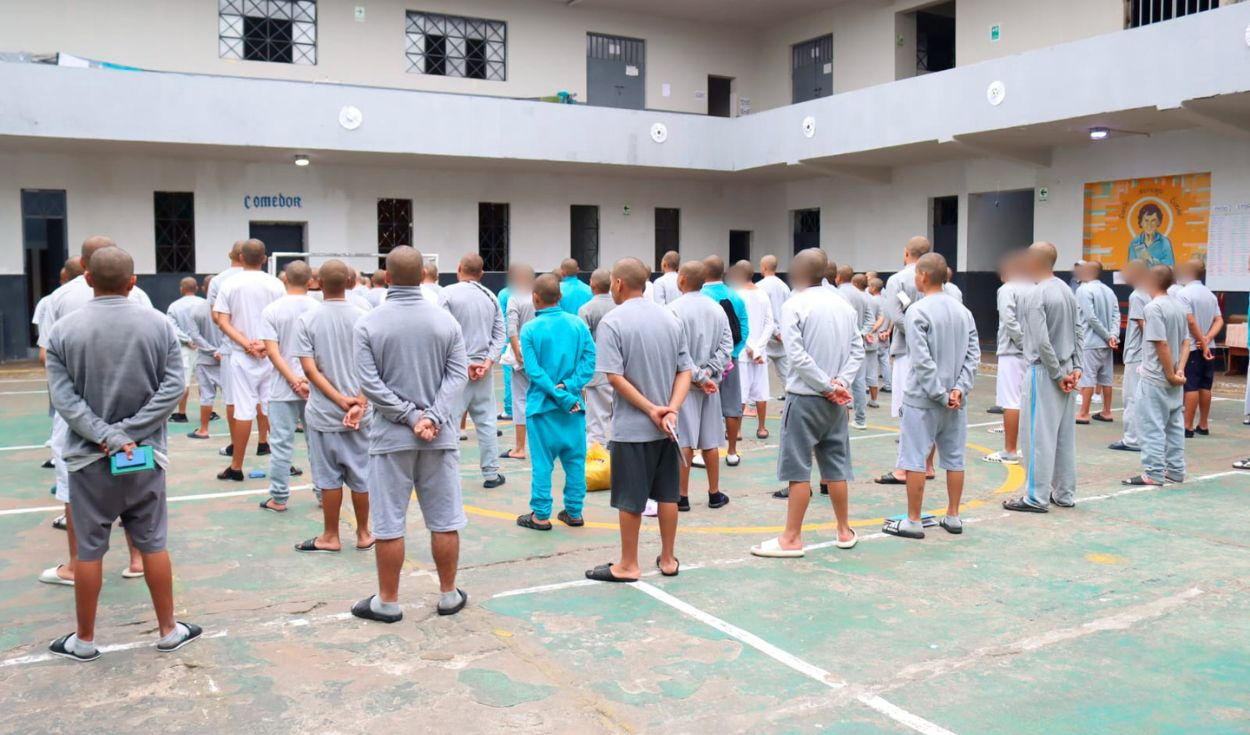
Peru's juvenile justice system is under renewed pressure as over 10,000 minors committed offenses in the first five months of the year. The Ministry Public's Observatory of Criminality recorded this surge, with Lima, Lambayeque, and La Libertad showing the highest incidence. This rise in juvenile crime has exacerbated the problem of overcrowding in youth centers, which officials say impedes effective rehabilitation and specialized care for the incarcerated.
In response, the National Program of Juvenile Centers (Pronacej), under the Ministry of Justice and Human Rights, has launched a nationwide plan to alleviate overcrowding. The program aims to reduce the number of inmates in these facilities and revise criteria for transferring older offenders to adult penitentiaries. Pronacej reported that approximately 150 minors enter a Juvenile Diagnostic and Rehabilitation Center (CJDR) each month. Alarmingly, seven out of ten centers operate above capacity, and 51% of current inmates are over 18 but remain in youth facilities due to laws mandating the completion of socio-educational measures initiated before they reached adulthood.
The proposed measures include varying socio-educational measures for about 300 adolescents eligible for release or semi-liberty. Pronacej also plans to transfer around 300 high-risk youths from northern Peru to more secure facilities in Lima. Additionally, seven new environments with a capacity for 230 individuals will be established in Lima and Pucallpa, with enhanced security measures like more agents, cameras, and concertina wire. Luis Vega, executive director of Pronacej, emphasized the need for legislative changes to align with the reality of juvenile centers, stating, "The objective... is to promote that the norm be coherent with the reality that the country is going through, since criminogenic contagion is a reality and it is our responsibility to protect the adolescents that we must return reformed to society."
A key legislative modification being considered is allowing the transfer of inmates who turn 18 to the National Penitentiary Institute (INPE) if they commit new offenses while still in the juvenile system. This proposal seeks to address the issue of "criminogenic contagion," where younger offenders may be negatively influenced by older inmates within the same facilities. The initiative underscores the complex challenges Peru faces in balancing rehabilitation with public safety and managing its juvenile justice system effectively.
The objective... is to promote that the norm be coherent with the reality that the country is going through, since criminogenic contagion is a reality and it is our responsibility to protect the adolescents that we must return reformed to society.
DistantNews Editorial
Originally published by La República in Spanish. Translated, summarized, and contextualized by our editorial team with added local perspective. Read our editorial standards.
More Stories


From Our Blog

What Gets Lost (and Found) When News Is Translated

The Critical Role of Diaspora Media in Global News

What Travellers Should Know About Countries with Restricted Press

A Digital Nomad's Guide to Following Local News

How the Same Story Looks Different in Different Countries
