

Over 4.3 million Ukrainian refugees still under temporary protection in EU
Translated from Romanian, summarized and contextualized by DistantNews.
At a glance
News
From a news agency
Approved/passed
- Over 4.3 million individuals fleeing the war in Ukraine continue to benefit from temporary protection in the European Union as of May.
- Germany hosts the largest number of these refugees, followed by Poland and Spain, though monthly increases are modest.
- Nearly 30% of those under temporary protection are minors, highlighting the significant impact on children.
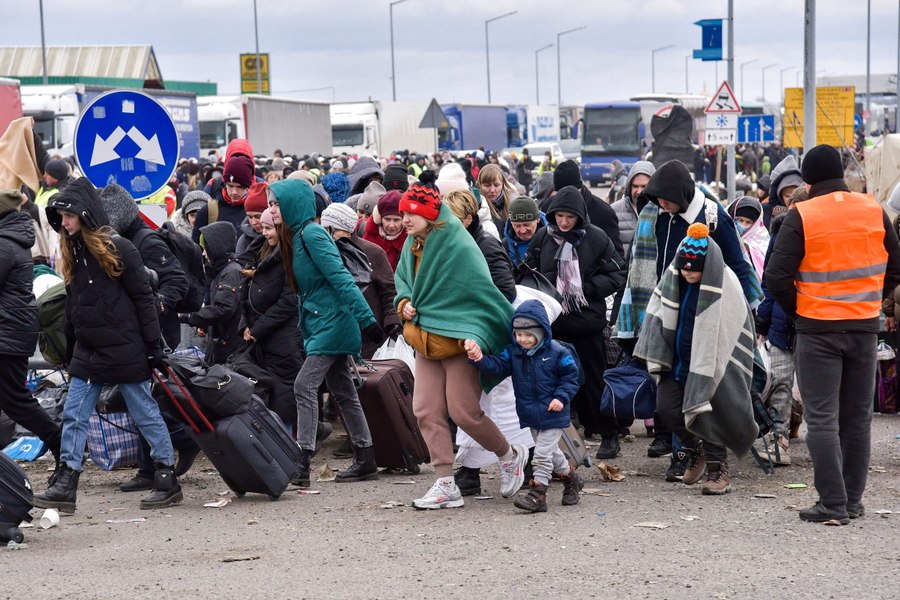
The European Union continues to host a substantial number of individuals displaced by the war in Ukraine, with 4.38 million people benefiting from temporary protection as of May 31. While the rate of increase has slowed, this figure represents one of the largest displacement protection programs in the EU's recent history.
Eurostat data indicates a slight monthly increase of 7,795 individuals, a 0.2% rise from the previous month. Germany remains the primary host country, accommodating 1.28 million refugees, or 29.3% of the EU total. Poland follows with 967,505 refugees (22.1%), and Spain hosts 267,400 (6.1%). The number of beneficiaries grew in 22 of the 26 EU member states for which data is available. Notable absolute increases were seen in Italy (+6,250), Germany (+3,610), and Spain (+2,295). Conversely, Bulgaria reported the largest decrease (-12,345), followed by Poland (-3,750) and France (-665).
Ukrainians constitute over 98.5% of those under temporary protection. Analysis of the beneficiary demographics reveals that adult women make up 43.4%, adult men account for 26.8%, and minors represent 29.8%. This means that nearly one-third of all individuals receiving temporary protection are children, underscoring the profound impact of the conflict on young lives.
On a per capita basis, Slovakia recorded the highest rate of temporary protection beneficiaries with 26.8 per thousand inhabitants, closely followed by Poland (26.5) and Cyprus (25.9). The EU average stands at 9.7 beneficiaries per thousand inhabitants. Romania, while not hosting the largest communities, serves as a significant entry point into the EU for those fleeing the conflict. Romanian authorities continue to provide temporary protection under the European mechanism activated in February 2022, granting legal residency, access to employment, healthcare, education, and social support.
DistantNews Editorial
Originally published by Adevărul in Romanian. Translated, summarized, and contextualized by our editorial team with added local perspective. Read our editorial standards.
More Stories


From Our Blog

What Gets Lost (and Found) When News Is Translated

The Critical Role of Diaspora Media in Global News

What Travellers Should Know About Countries with Restricted Press

A Digital Nomad's Guide to Following Local News

How the Same Story Looks Different in Different Countries
