


Poverty and lack of parental education fuel failure in Romania's National Evaluation
Translated from Romanian, summarized and contextualized by DistantNews.
At a glance
News
Sources not specified
Context piece
- Approximately 21% of Romanian students failed to achieve a passing grade of 5 on the National Evaluation exam, with the highest failure rates in rural areas.
- Key causes identified for the poor performance include parental disinterest in education and severe poverty in certain Romanian regions.
- This issue has persisted since the exam's introduction in 2003-2004, with hundreds of students in areas like Botoșani scoring between 1 and 4.
Hundreds of Romanian eighth-graders failed to pass the National Evaluation exam, with a significant portion scoring between 1 and 4. This widespread underperformance, affecting about 21% of students nationwide, is particularly concentrated in rural areas. Mathematics proved especially challenging, with a quarter of students unable to secure a passing grade.
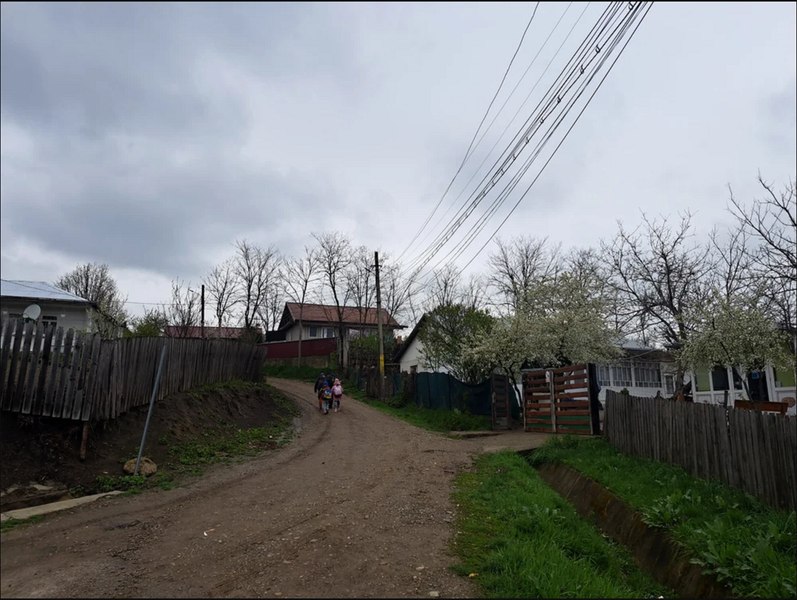
The article highlights poverty and parental disinterest as primary drivers of this educational failure. Many rural communities grapple with a lack of prospects, contributing to a cycle where parents may not prioritize their children's schooling. This situation is not new; it has been a persistent problem since the National Evaluation was implemented as a high school entrance requirement over two decades ago.
In Botoșani County, a region known for both intellectual elites and stark contrasts, the disparity is evident. While some schools produce top-tier students and international Olympians, others in rural settings report abysmal results. Examples include students scoring as low as 1 on their exams, with some achieving overall averages below 2. These students, often from backgrounds where parents themselves have limited education, struggle to engage with the material or even complete the exam.
Official statistics reveal that over 30,000 students did not pass the exam, a decline from previous years. The data underscores a deep-seated issue rooted in socioeconomic disparities that national solutions have yet to address effectively. The consistent failure of students, particularly in rural Romania, points to a systemic challenge requiring urgent attention.
DistantNews Editorial
Originally published by Adevărul in Romanian. Translated, summarized, and contextualized by our editorial team with added local perspective. Read our editorial standards.
More Stories



From Our Blog

What Gets Lost (and Found) When News Is Translated

The Critical Role of Diaspora Media in Global News

What Travellers Should Know About Countries with Restricted Press

A Digital Nomad's Guide to Following Local News

How the Same Story Looks Different in Different Countries
