

Over 400 dead in Nepal-China floods; new deluge threatens
Translated from Finnish and summarized by DistantNews. Read the original for the full story.
At a glance
News
Named sources
Ongoing story
- Over 400 people have been confirmed dead following severe floods and landslides on the Nepal-China border, with hundreds still missing.
- A glacial lake formed by a landslide poses a new threat, with authorities warning it could burst and cause further devastating floods.
- Rescue operations are ongoing but hampered by difficult weather and the remote location of affected areas, with thousands stranded.
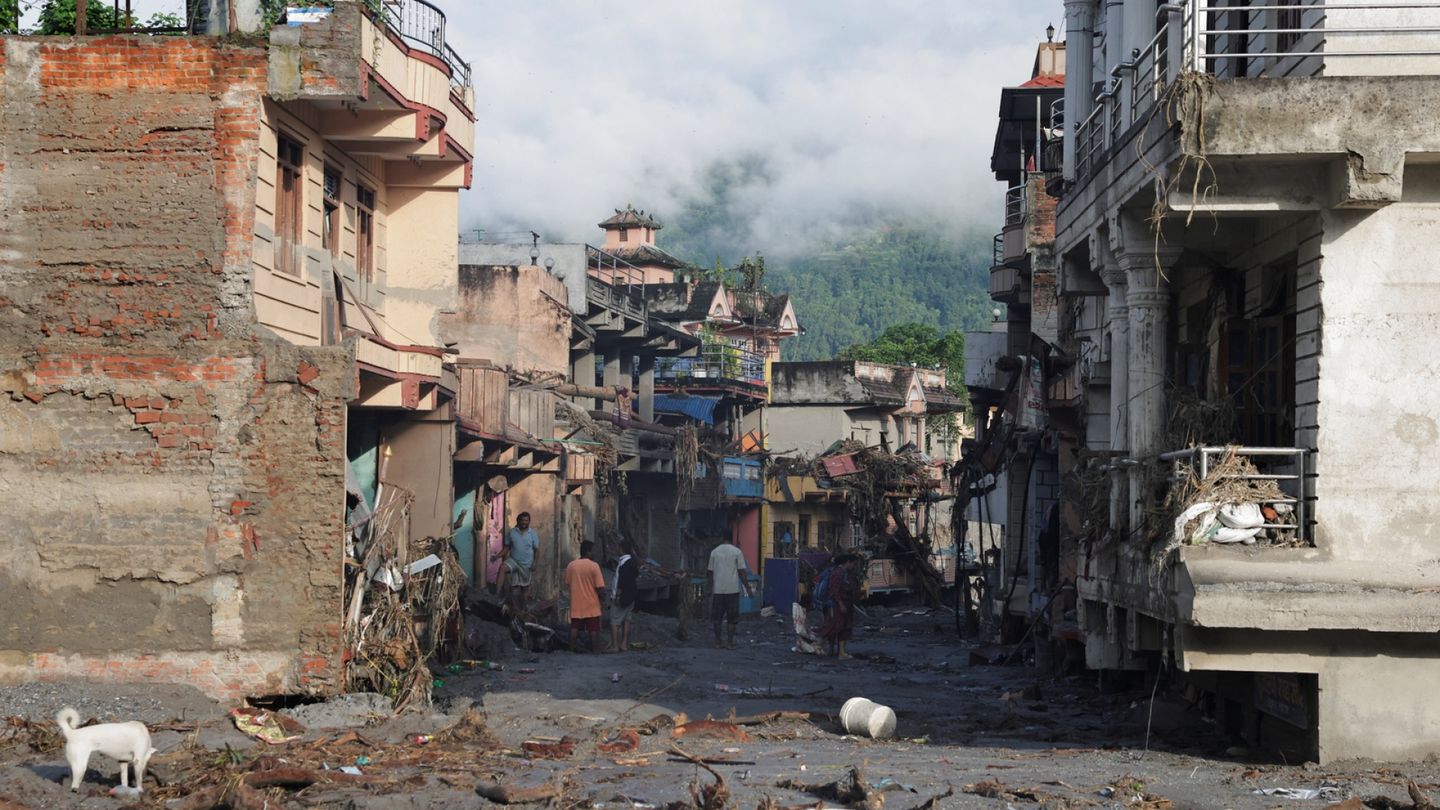
The death toll from devastating floods and landslides on the Nepal-China border has surpassed 400, with hundreds of people still unaccounted for. Authorities in both countries confirmed the grim figures early Friday, expressing fears that the number of fatalities will rise significantly as rescue efforts continue.
A new and immediate threat looms as a glacial lake, formed by a recent landslide, is showing signs of instability. Chinese and Nepalese officials have issued warnings that the lake could burst in the coming days, potentially unleashing new, destructive floods downstream. Continuous rainfall is expected to raise the lake's water level, increasing the risk of a catastrophic outburst that could cause further damage to areas like the Gyirong border crossing.
It increases the risk of water outburst, which could lead to floodwaters rushing downstream and potentially cause more damage to the Gyirong border crossing and elsewhere in the region.
In China's Tibet region, 499 local residents and 555 tourists have been evacuated. Meanwhile, Nepal reports at least 910 people missing, including at least 517 foreigners. The Himalayan region is a popular destination for global trekkers and climbers, and the missing individuals hail from various countries, including 90 Americans. The Finnish Ministry of Foreign Affairs confirmed that at least one Finnish citizen is among those still missing.
Rescue operations are underway, with over 13,000 personnel from Nepal's army and police involved. However, the efforts are severely hampered by adverse weather conditions and the remote, difficult terrain of the disaster zones. Rescuers are working tirelessly, digging through mud and debris to find victims, while helicopters are air-dropping emergency aid to thousands stranded in villages and valleys. One survivor, Dibga Tamang, rescued from the heavily damaged Rasuwa village in Nepal, described the devastating loss: "I have no one left. All belongings and all people are gone."
I have no one left. All belongings and all people are gone.
About this summary
Originally published by Helsingin Sanomat in Finnish. Translated, summarized, and contextualized automatically by DistantNews, with a note on how the source frames the story. Not individually reviewed before publishing. How this works.
More Stories
From Our Blog

What Gets Lost (and Found) When News Is Translated

The Critical Role of Diaspora Media in Global News

What Travellers Should Know About Countries with Restricted Press

A Digital Nomad's Guide to Following Local News

How the Same Story Looks Different in Different Countries
