


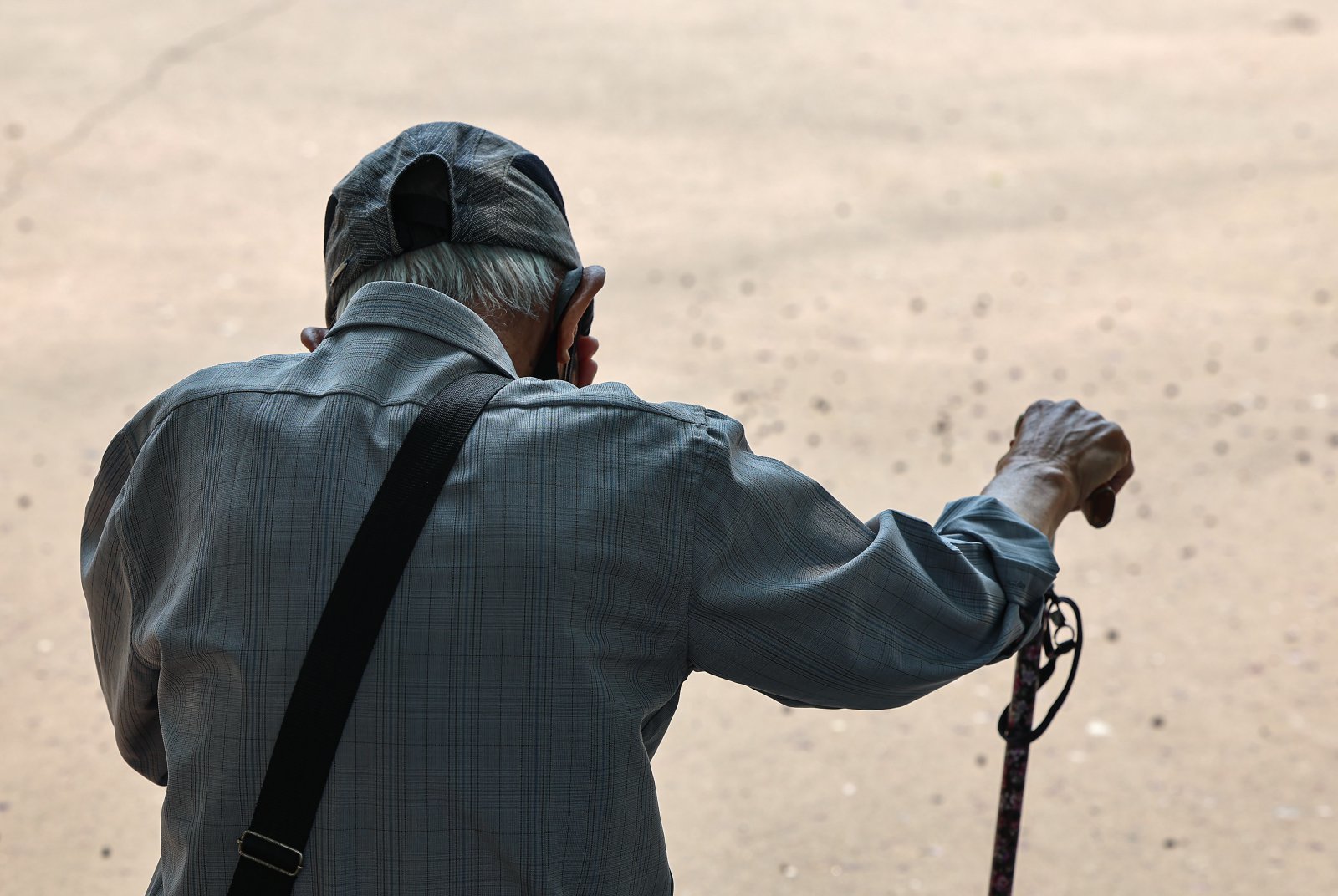
Over half of South Koreans aged 60-64 receive no pension, reform urgently needed
Translated from Korean, summarized and contextualized by DistantNews.
At a glance
Analysis
Documents & data
Context piece
- Over half of South Koreans aged 60-64 receive no pension benefits, creating a "pension gap" between retirement and eligibility.
- The gap widens as the official retirement age is 60, but national pension eligibility starts at 63 and other pensions later.
- Many elderly individuals receive less than 500,000 won monthly, falling below the minimum cost of living, exacerbating poverty.
A significant portion of South Koreans aged 60 to 64, exceeding 55%, receive no pension benefits at all, highlighting a critical "income gap" between the official retirement age and the age at which pensions become accessible.
This gap is particularly acute because the legal retirement age is 60, while eligibility for the National Pension begins at 63, and other occupational or private pensions start even later. This leaves many individuals without income for several years after leaving their primary jobs.
Compounding the issue, even among those over 65 who do receive pensions, nearly half get less than 500,000 won per month. This amount is insufficient to cover basic living expenses, pushing many elderly citizens into poverty.
With South Korea facing rapid aging, addressing this income gap for the elderly is an urgent task. The report suggests that reforms are needed to ensure a more robust social safety net, potentially through encouraging longer employment via re-hiring systems and strengthening the basic pension for low-income individuals. Without swift action, the nation risks worsening elderly poverty.
DistantNews Editorial
Originally published by Dong-A Ilbo in Korean. Translated, summarized, and contextualized by our editorial team with added local perspective. Read our editorial standards.
More Stories


From Our Blog

What Gets Lost (and Found) When News Is Translated

The Critical Role of Diaspora Media in Global News

What Travellers Should Know About Countries with Restricted Press

A Digital Nomad's Guide to Following Local News

How the Same Story Looks Different in Different Countries
