


PAC Urges Government to Equip Teaching Hospitals Amidst Critical Shortages
Translated from English, summarized and contextualized by DistantNews.
At a glance
News
Sources not specified
New plan
- Ghana's Public Accounts Committee (PAC) has urged the government to provide teaching hospitals with adequate medical equipment to improve healthcare delivery.
- A performance audit revealed challenges including inadequate funding, insufficient equipment, poor maintenance, and weak technical capacity affecting service delivery in these hospitals.
- The committee recommended prioritizing specialized equipment procurement and enhancing the training of biomedical engineers to improve maintenance and repair capabilities.
Ghana's Public Accounts Committee (PAC) has called for urgent government action to equip teaching hospitals with the necessary medical technology, highlighting critical deficiencies that hinder healthcare delivery nationwide. The committee's recommendation follows a comprehensive performance audit examining the planning, procurement, and maintenance of medical equipment in teaching hospitals between 2018 and 2023.
The audit, which covered major institutions like Korle Bu Teaching Hospital, Komfo Anokye Teaching Hospital, and Tamale Teaching Hospital, identified significant challenges. These include chronic underfunding, a lack of essential medical equipment, inadequate maintenance practices, insufficient technical expertise, and prolonged periods when vital machines are non-operational. These issues collectively compromise the quality and accessibility of services offered to patients.
Mr Speaker, the hospitals generally conducted assessments of their medical equipment and incorporated their needs into procurement plans. The problem, therefore, was not the identification of the need. The deeper problem was inadequate funding, insufficient equipment, maintenance failures, weak technical capacity and prolonged equipment downtime.
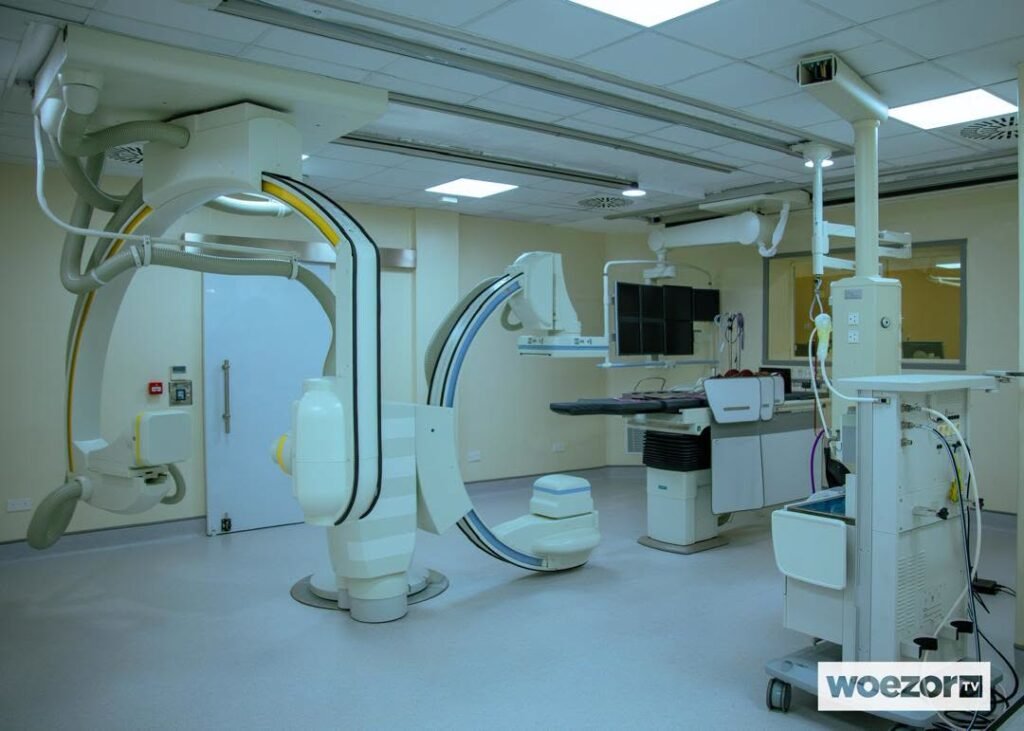
Mrs. Abena Osei-Asare, the chairperson of the PAC, expressed grave concern over the absence of critical facilities, such as a cardiac catheterisation laboratory at the Komfo Anokye Teaching Hospital. She noted that this deficiency forces patients requiring urgent cardiac intervention to be transferred to Accra, often with fatal consequences. "A non-functional medical machine is not merely an idle public asset. It may mean a delayed diagnosis, a lost source of hospital revenue or a loss of life," she stated, underscoring the severe implications of the equipment shortages.
The committee's report emphasizes that the problem is not a failure to identify needs but rather a systemic failure in funding and resource allocation. It recommended that the Ministry of Health, in collaboration with the Ministry of Finance and the Ghana Medical Trust Fund, prioritize the procurement of specialized medical equipment. Furthermore, the PAC stressed the need for a coordinated national program to retool teaching hospitals and enhance the specialized training of biomedical engineers, enabling them to effectively repair and maintain sophisticated medical equipment, thereby reducing reliance on external outsourcing.
A non-functional medical machine is not merely an idle public asset. It may mean a delayed diagnosis, a lost source of hospital revenue or a loss of life.
DistantNews Editorial
Originally published by Ghanaian Times in English. Translated, summarized, and contextualized by our editorial team with added local perspective. Read our editorial standards.
More Stories


From Our Blog

What Gets Lost (and Found) When News Is Translated

The Critical Role of Diaspora Media in Global News

What Travellers Should Know About Countries with Restricted Press

A Digital Nomad's Guide to Following Local News

How the Same Story Looks Different in Different Countries
