

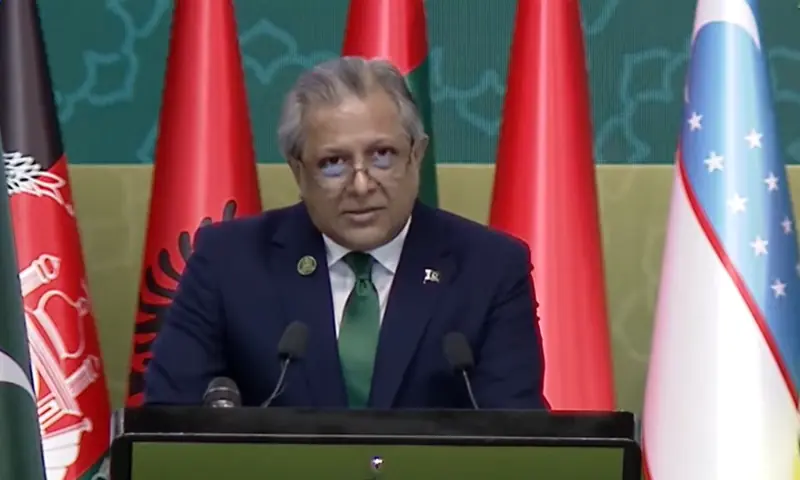
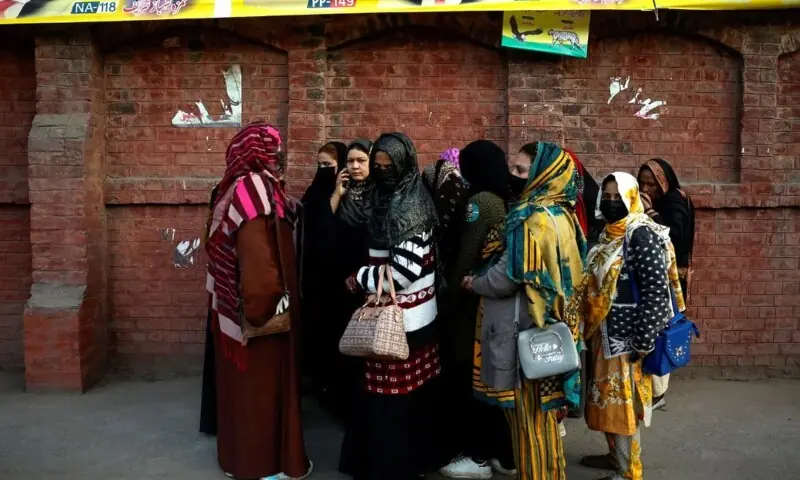
Pakistan chairs OIC women's conference amid criticism of its own gender gap
Translated from English, summarized and contextualized by DistantNews.
At a glance
News
Sources not specified
Context piece
- Pakistan assumed the chairmanship of the OIC Ministerial Conference on Women while facing criticism for its own gender inequality, ranked 148th globally.
- The conference called for tangible progress beyond declarations, with proposals for measurable targets on girls' education, women's leadership, and protection against gender-based violence.
- Pakistan's leadership role offers a chance to promote accountability across the Muslim world, focusing on practical benchmarks and results rather than just resolutions.
Pakistan's recent assumption of the OIC Ministerial Conference on Women chairmanship is shadowed by its own stark gender inequality. The World Economic Forum's Global Gender Gap Report ranked the nation 148th out of 148 countries, highlighting significant challenges in achieving equal opportunities for women in education, employment, and public life.
This sobering reality lent urgency to calls within Islamabad for the Organisation of Islamic Cooperation to translate its numerous declarations on women's empowerment into concrete actions. Senate Chairman Yousaf Raza Gilani proposed setting measurable targets for girls' education, women's leadership, workforce participation, and protection against gender-based violence, a constructive outcome of the conference.
The challenge has not been a lack of commitments; it has been the failure to translate them into meaningful change.
The persistent challenge across many Muslim-majority nations remains the failure to implement commitments, leaving women facing barriers that hinder their potential and societal progress. Afghanistan exemplifies this, with girls still denied secondary and university education. Conflict and economic hardship further restrict access to essential services for millions of displaced women and children.
States that fail to harness the talents of half their population limit their own growth and resilience.
Achieving gender equality is not just a matter of social justice but a prerequisite for sustainable development. Nations that do not fully utilize the talents of half their population limit their own growth and resilience. Pakistan's own constitutional guarantees and pledges for legal reforms must be judged by their implementation, as millions of girls remain out of school and female labor force participation is among the world's lowest.
Pakistan's leadership of the OIC conference presents an opportunity to foster a more accountable approach. The focus should shift from issuing resolutions to agreeing on practical benchmarks, regularly reporting progress, and sharing successful policies. The true measure of success will be seen in improved educational outcomes for girls, increased women in leadership roles, and greater economic opportunities for families.
The measure of this conference will not be the strength of its communiqués or speeches, but whether more girls complete their education, more women enter positions of leadership, and more families benefit from the opportunities that empowerment can bring.
DistantNews Editorial
Originally published by Dawn in English. Translated, summarized, and contextualized by our editorial team with added local perspective. Read our editorial standards.
More Stories


From Our Blog

What Gets Lost (and Found) When News Is Translated

The Critical Role of Diaspora Media in Global News

What Travellers Should Know About Countries with Restricted Press

A Digital Nomad's Guide to Following Local News

How the Same Story Looks Different in Different Countries
