

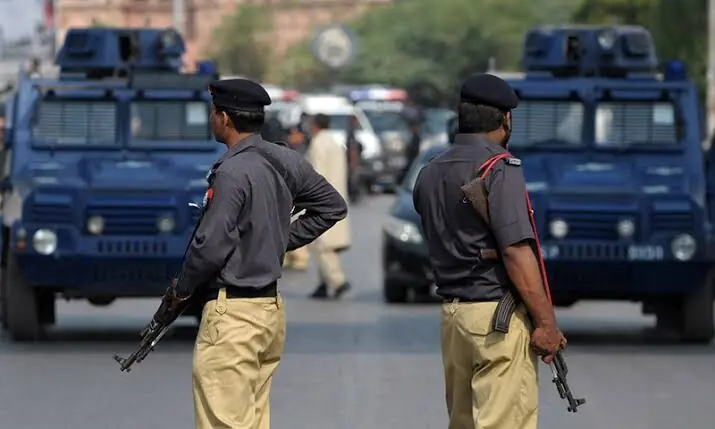

Pakistan Continues Fight Against Organized Crime Amid FATF Scrutiny
Translated from English, summarized and contextualized by DistantNews.
At a glance
News
Sources not specified
Context piece
- Pakistan has made strides against organized crime, leading to its removal from the FATF grey list.
- However, the country remains under 'enhanced follow-up' for sustained AML/CFT implementation.
- Efforts now focus on both targeting criminal activity and strengthening societal resilience.
Pakistan has demonstrated progress in its fight against organized crime, a commitment that saw the nation removed from the Financial Action Task Force (FATF) grey list in 2022. Despite this significant achievement, Pakistan continues to be monitored under the FATF's 'enhanced follow-up' mechanism.
This ongoing scrutiny requires Pakistan to continuously assess and prove the sustained, on-the-ground effectiveness of its anti-money laundering and counter-terrorist financing (AML/CFT) measures. The FATF's continued engagement highlights the need for robust and consistent implementation of these critical financial regulations.
The strategy to combat organized crime is broadly divided into two key areas: directly targeting criminal markets and actors through intelligence, law enforcement, and punitive actions; and building societal resilience against such crime. This dual approach addresses both the symptoms and the root causes that allow organized crime to flourish.
This comprehensive model aligns with the framework used by the Global Initiative against Transnational Organised Crime in its successive Global Organised Crime Indices. While not perfect, this approach emphasizes a holistic strategy that acknowledges the complex nature of organized crime and the necessity of strengthening societal defenses alongside law enforcement efforts.
DistantNews Editorial
Originally published by Dawn in English. Translated, summarized, and contextualized by our editorial team with added local perspective. Read our editorial standards.
More Stories

From Our Blog

What Gets Lost (and Found) When News Is Translated

The Critical Role of Diaspora Media in Global News

What Travellers Should Know About Countries with Restricted Press

A Digital Nomad's Guide to Following Local News

How the Same Story Looks Different in Different Countries
