

Pakistan cricketer Mohammad Nawaz sanctioned for anti-doping code breach
Translated from English, summarized and contextualized by DistantNews.
At a glance
News
Official statement
Outcome reported
- Cricketer Mohammad Nawaz received a three-month ban from the ICC for violating anti-doping rules.
- The violation involved testing positive for Carboxy-THC after a match in February, though the substance was unrelated to performance.
- Nawaz's ban was backdated to May 1 and reduced to one month due to a provisional suspension and commitment to a rehabilitation program.
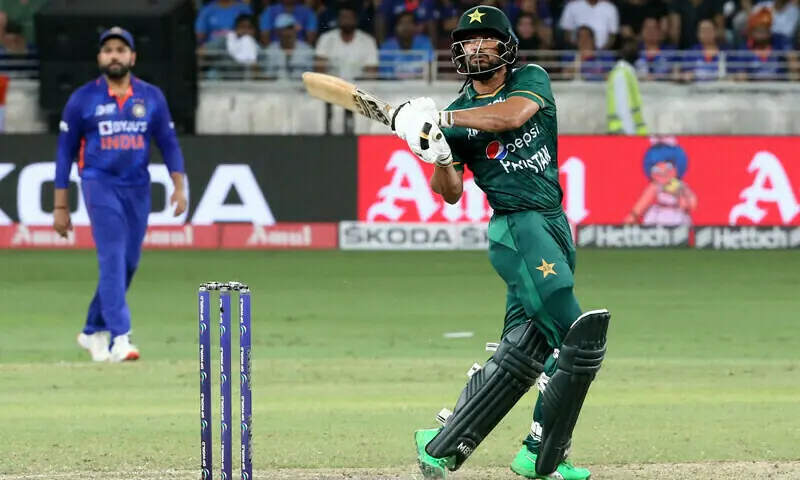
Pakistan all-rounder Mohammad Nawaz has been sanctioned by the International Cricket Council (ICC) for breaching anti-doping regulations. The violation stemmed from a positive test for Carboxy-THC, a substance found after a T20 World Cup match on February 7.
Nawaz admitted to the offense, and the ICC acknowledged that the substance was used out-of-competition and unrelated to sport performance. Consequently, the 32-year-old cricketer received a three-month period of ineligibility. However, this ban was backdated to May 1, the date Nawaz began a voluntary provisional suspension.
Nawaz admitted to the offence and demonstrated that the substance had been used out-of-competition, in a manner unrelated to sport performance.
Further reducing the ineligibility to one month, Nawaz committed to a substance abuse rehabilitation program. The ICC stated that if he completes this program to their satisfaction, he will not face any further period of ineligibility. His provisional suspension has since been lifted after serving two-and-a-half months. Despite the reduced ban, records from the Netherlands match and subsequent games until May 1 have been disqualified as per the anti-doping code. This case follows previous doping bans for Pakistani cricketers Shoaib Akhtar, Mohammad Asif, and Yasir Shah.
Subject to Nawaz completing a substance abuse treatment programme to the ICC’s satisfaction, Nawaz will not be required to serve any further period of ineligibility.
DistantNews Editorial
Originally published by Dawn in English. Translated, summarized, and contextualized by our editorial team with added local perspective. Read our editorial standards.
More Stories


From Our Blog

What Gets Lost (and Found) When News Is Translated

The Critical Role of Diaspora Media in Global News

What Travellers Should Know About Countries with Restricted Press

A Digital Nomad's Guide to Following Local News

How the Same Story Looks Different in Different Countries
