

Pakistan crypto czar asks Islamic seminary to distinguish between speculative crypto, asset-backed tokens
Translated from English, summarized and contextualized by DistantNews.
At a glance
News
Named sources
New plan
- Pakistan's crypto regulator has asked a prominent Islamic seminary to differentiate between speculative cryptocurrencies and asset-backed tokens.
- The request follows a recent religious decree (fatwa) that declared crypto purchases impermissible under Islamic law.
- The regulator aims to develop a licensing framework that considers Shariah compliance for digital assets.
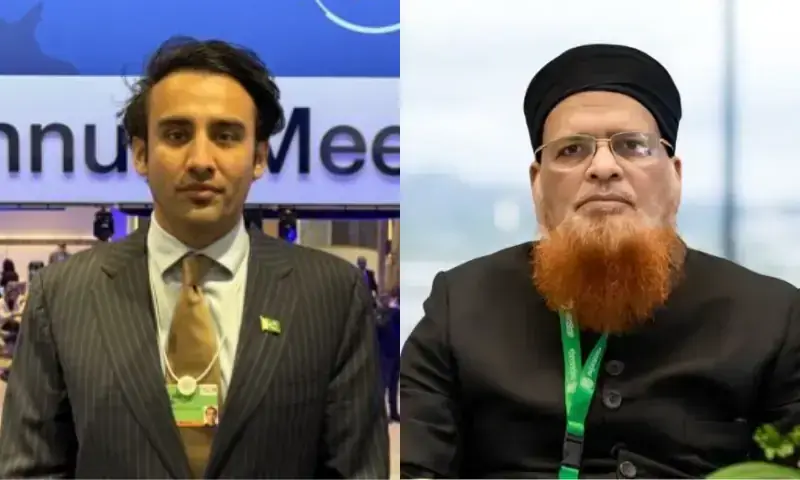
Pakistan's Virtual Assets Regulatory Authority (PVARA) is seeking clarification from the Jamia Darul Uloom seminary regarding its recent ruling that declared cryptocurrency purchases impermissible under Islamic law. PVARA Chairman Bilal bin Saqib met with religious scholars to distinguish between speculative digital currencies and asset-backed tokens.
The central question the fatwa raises is whether a digital asset constitutes recognised wealth under Shariah. That is precisely the right question, and it is why these instruments must be examined individually.
The seminary's fatwa, issued on June 10, has cast doubt on Pakistan's rapid embrace of cryptocurrency, a market where it ranks high in retail activity. The decree described cryptocurrency as "merely the recording of fictitious numbers in an account." Saqib emphasized that digital assets should be assessed individually, not as a single class, to determine their Shariah compliance.
Blockchain is a record-keeping and verification technology, not a financial asset.
Saqib explained that blockchain-recorded Islamic bonds (sukuk) represent ownership of real, income-generating assets, while gold-backed tokens or fully reserved stablecoins have tangible backing. He noted that blockchain itself is a record-keeping technology, not a financial asset. Saqib acknowledged that purely speculative tokens without underlying assets warrant serious consideration by scholars.
The scholars’ concerns there must be taken seriously.
PVARA is working with scholars to develop a licensing framework and advance work on stablecoins and real-world asset tokenization. Saqib believes Pakistan has an opportunity to lead in Shariah-compliant digital finance. Despite the fatwa, crypto trading volumes have reportedly remained unaffected, though the ruling could potentially hinder broader, bank-led crypto adoption beyond Pakistan's urban trading community.
We will continue working closely with our scholars as Pakistan develops its licensing framework and advances work on stablecoins and real-world asset tokenisation.
DistantNews Editorial
Originally published by Dawn in English. Translated, summarized, and contextualized by our editorial team with added local perspective. Read our editorial standards.
More Stories
From Our Blog

What Gets Lost (and Found) When News Is Translated

The Critical Role of Diaspora Media in Global News

What Travellers Should Know About Countries with Restricted Press

A Digital Nomad's Guide to Following Local News

How the Same Story Looks Different in Different Countries
