

Pakistan, Kyrgyzstan reaffirm commitment to boosting bilateral ties, stress importance of deepening trade
Summarized and contextualized by DistantNews.
At a glance
News
Named sources
New plan
- Pakistan and Kyrgyzstan reaffirmed their commitment to strengthening bilateral ties, with a focus on deepening trade, economic, and investment cooperation.
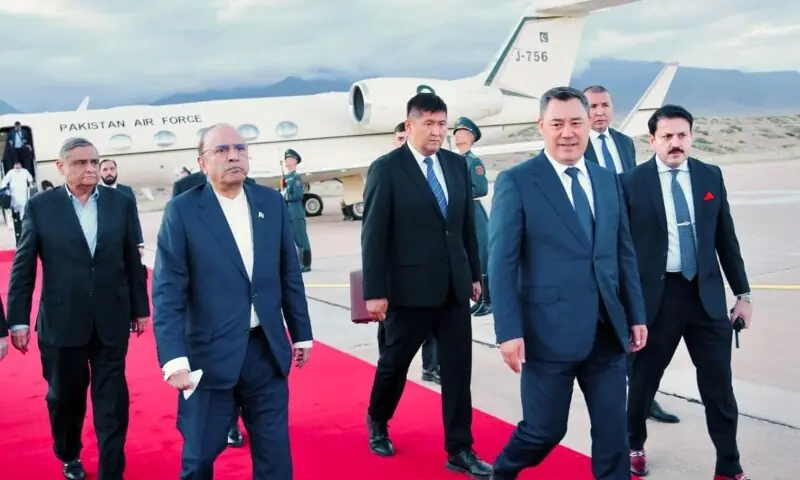
- Presidents Asif Ali Zardari and Sadyr Zhaparov met during Zardari's four-day official visit to Kyrgyzstan, aiming to boost cooperation and implement previous agreements.
- Both nations expressed potential for expanded collaboration in sectors including energy (CASA-1000 project), mining, agriculture, textiles, pharmaceuticals, and the digital economy.
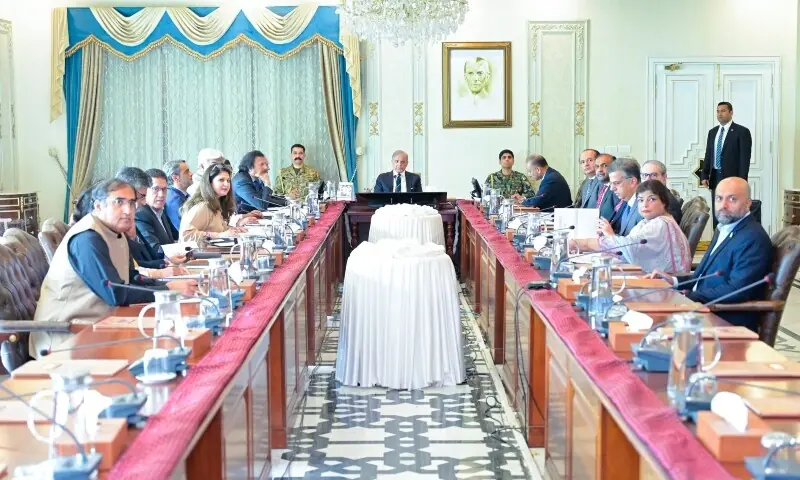
Pakistan and Kyrgyzstan are set to deepen their bilateral relations, emphasizing enhanced trade, economic, and investment cooperation. This commitment was reaffirmed by Pakistani President Asif Ali Zardari and Kyrgyz President Sadyr Zhaparov during Zardari's four-day official visit to Kyrgyzstan, which began on July 6.
A joint statement issued highlighted satisfaction with the current development of Kyrgyz-Pakistani relations and stressed the importance of consistent implementation of agreements reached during President Zhaparov's previous visit to Pakistan in December. The leaders called for maintaining active political dialogue, strengthening high-level contacts, and enhancing interaction between their parliaments, governments, and foreign ministries.
Both nations expressed readiness to establish a "strategic partnership," with a particular focus on trade and investment. Ministers and agencies have been directed to intensify joint efforts, improve the effectiveness of the Kyrgyz-Pakistani Intergovernmental Commission on Trade, Economic, Scientific and Technical Cooperation, and take practical measures to develop trade and business ties. The leaders also pledged comprehensive support for business communities in both countries.
Significant potential for expanded cooperation was identified in several key sectors. These include the energy sector, particularly through the CASA-1000 Project connecting Central and South Asia. Other areas of mutual interest are mining, agriculture, textiles, light industries, the halal industry, healthcare and pharmaceuticals (including medical education and vaccine manufacturing), the digital economy, information and communication technologies, tourism, and the banking and financial sector. Both sides also reaffirmed the importance of improving transport connectivity between Central and South Asia.
DistantNews Editorial
Originally published by Dawn. Summarized and contextualized by our editorial team with added local perspective. Read our editorial standards.
More Stories


From Our Blog

What Gets Lost (and Found) When News Is Translated

The Critical Role of Diaspora Media in Global News

What Travellers Should Know About Countries with Restricted Press

A Digital Nomad's Guide to Following Local News

How the Same Story Looks Different in Different Countries
