


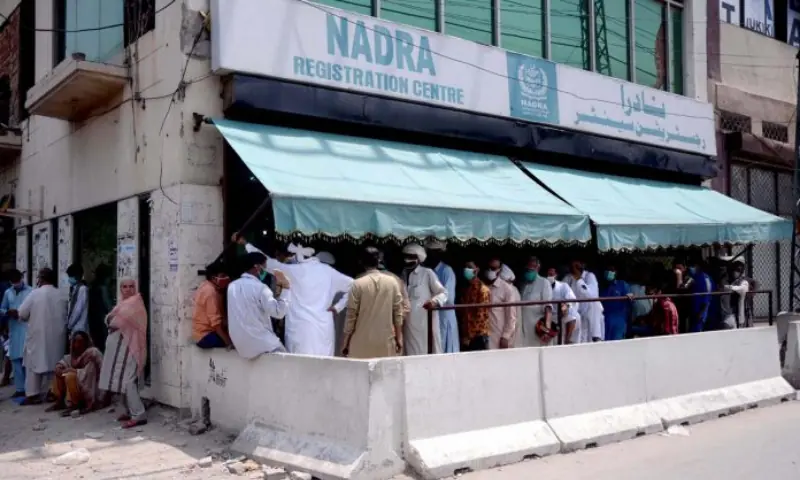
Pakistan launches new QR code-based national ID cards, replacing imported chips
Translated from English, summarized and contextualized by DistantNews.
At a glance
News
Official statement
New plan
- Pakistan's NADRA has launched a new, locally manufactured identity card using QR codes instead of imported microchips.
- The chipless card stores information and a photograph in a secure QR code, scannable via a smartphone app.
- This initiative aims to reduce data entry errors and improve verification efficiency for institutions across Pakistan.
The National Database and Registration Authority (NADRA) in Pakistan has introduced a new, domestically produced National Identity Card (NIC) that utilizes a secure QR code, replacing the imported microchips used for the past 14 years. This innovative card is manufactured by the National Security Printing Company (NSPC) in Karachi, adhering to NADRA's specifications.
Instead of a physical chip, the new card features a QR code that can be scanned and verified using NADRA's Pak Identity (PakID) mobile application on any smartphone. The federal government approved the issuance of this new card on February 23. The QR code contains the cardholder's essential information and photograph, facilitating easier and more consistent data entry for institutions while minimizing errors.
The visible and covert security features of the card have been “updated to meet current requirements and align with domestic manufacturing capabilities”.
NADRA stated that the visible and covert security features have been enhanced to meet current needs and align with domestic manufacturing capabilities. The authority noted that the previous chip-based Smart NIC was underutilized because chip readers and supporting infrastructure were not widely available. The QR-based card addresses this by allowing verification through ordinary smartphones or software-connected cameras.
The new identity cards will also display a family number and specific symbols for persons with disabilities, senior citizens, organ donors, and citizens of Azad Jammu and Kashmir. Cardholder names and addresses will appear in both Urdu and English. Authorized institutions, including telecom operators, banks, hospitals, and law enforcement, will receive software to read and verify the QR codes. The rollout is phased, with the QR code card replacing the standard CNIC starting Friday, and becoming mandatory for all categories, including overseas Pakistanis and juvenile cards, from January 2027. The Pakistan Origin Card will also transition to this chipless format.
The QR-based card addresses this gap, being verifiable through an ordinary smartphone or software connected to a camera.
DistantNews Editorial
Originally published by Dawn in English. Translated, summarized, and contextualized by our editorial team with added local perspective. Read our editorial standards.
More Stories


From Our Blog

What Gets Lost (and Found) When News Is Translated

The Critical Role of Diaspora Media in Global News

What Travellers Should Know About Countries with Restricted Press

A Digital Nomad's Guide to Following Local News

How the Same Story Looks Different in Different Countries
