

Pakistan raises fuel dealer margins, passing costs to consumers
Translated from English, summarized and contextualized by DistantNews.
At a glance
News
Sources not specified
New plan
- Pakistan's government increased petroleum dealer margins by Rs1.34 per liter, passing the cost to consumers already facing high fuel prices.
- The decision averted a nationwide strike by petroleum dealers but shifted the financial burden to motorists and households.
- The government's swift action contrasts with its handling of goods transporters' strike, raising questions about policy priorities.
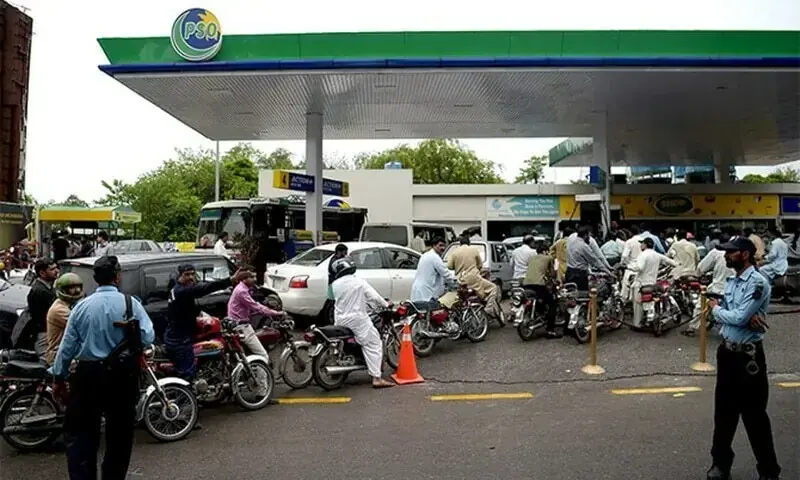
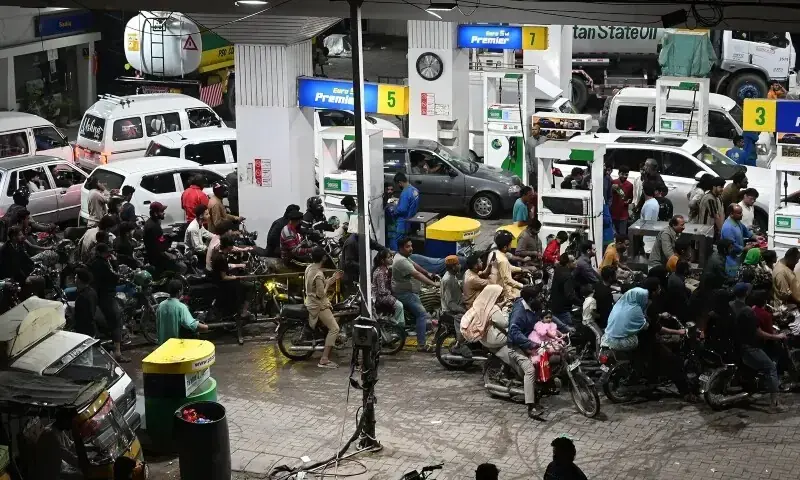
Pakistan's government has approved a Rs1.34 per liter increase in the commission paid to petroleum dealers, a move that will directly raise fuel prices for consumers already struggling with the highest costs since March 2026. The decision, announced on August 14, came after petroleum dealers threatened a countrywide strike.
While the increase may seem modest, its impact is significant when applied to the vast quantities of petrol and diesel consumed annually. This decision effectively passes the financial burden onto motorists and households, exacerbating existing cost-of-living pressures. The government's move averted a potential shutdown of fuel stations but highlights a policy choice that prioritizes appeasing one industry group over consumer affordability.
Notably, the government's swift response to the petroleum dealers' demands stands in contrast to its handling of the ongoing strike by goods transporters, who have been protesting for eight days without their demands being met. This disparity in approach has drawn attention and raised questions about the government's priorities in addressing transport-related disputes.
The retail price of petrol and diesel in Pakistan is determined by a complex structure that includes various fixed charges and levies. The dealers' margin is one component of these charges. The increase, while averting a strike, means that influential business and political figures, who are reportedly among the owners of petrol pumps, could benefit from higher margins, alongside ordinary pump owners. This raises further questions about who ultimately benefits from the policy shift.
DistantNews Editorial
Originally published by Dawn in English. Translated, summarized, and contextualized by our editorial team with added local perspective. Read our editorial standards.
More Stories
From Our Blog

What Gets Lost (and Found) When News Is Translated

The Critical Role of Diaspora Media in Global News

What Travellers Should Know About Countries with Restricted Press

A Digital Nomad's Guide to Following Local News

How the Same Story Looks Different in Different Countries
