


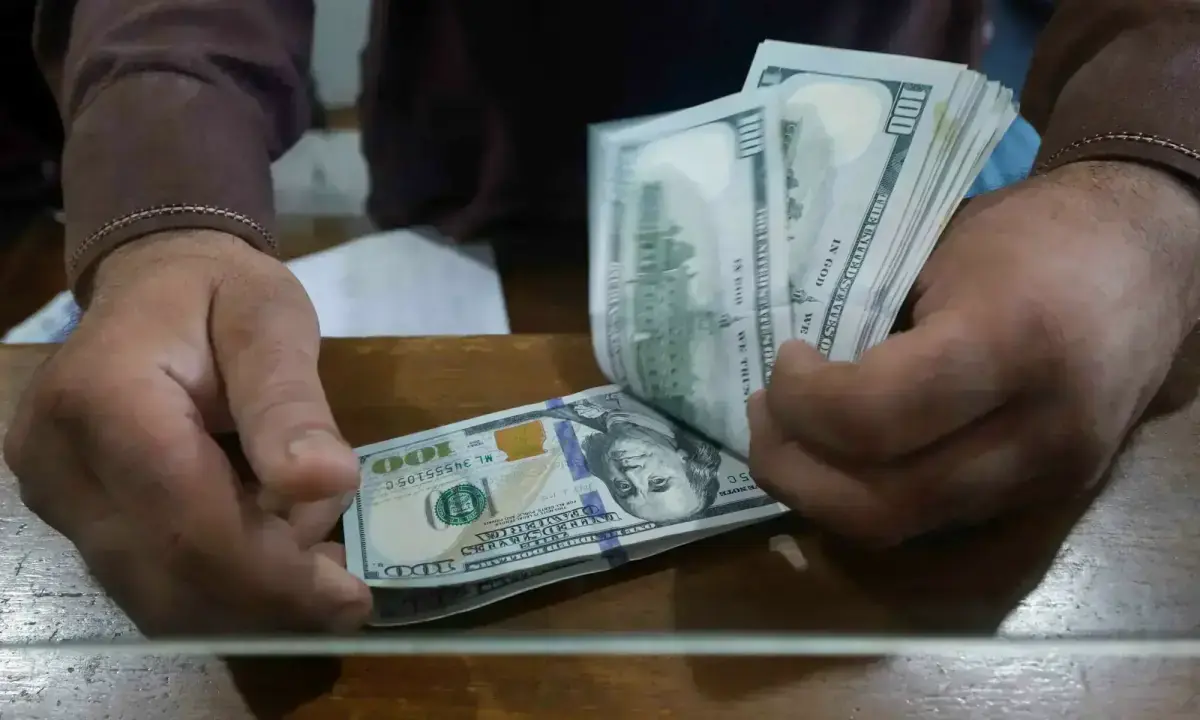
Pakistan's 2026-27 budget: Can the remittance lifeline withstand Middle East turmoil?
Translated from English, summarized and contextualized by DistantNews.
At a glance
Analysis
Sources not specified
Context piece
- Pakistan's economy faces uncertainty as remittances, a crucial source of foreign exchange, could be impacted by Middle East conflict.
- Experts warn that a prolonged conflict might affect the livelihoods of around a million Pakistani workers abroad.
- The analysis questions whether the country can sustain its economic stability if this "remittance fairy-tale" is disrupted.
Pakistan's economic stability hinges precariously on remittances, a financial lifeline that could be threatened by escalating tensions in the Middle East. The nation's reliance on funds sent home by its expatriate workforce is highlighted in an analysis that questions the sustainability of this economic pillar amid potential conflict.
Former finance minister Hafeez Pasha suggests that a surge in foreign inflows, potentially from remittances, could paradoxically encourage disproportionate investment in real estate rather than productive sectors. This could exacerbate existing economic imbalances. The article draws a parallel to the 1970s oil crisis, which initiated large-scale labor emigration to the Gulf states, and posits that the current crisis could signal an end to that era.
The Pakistan Institute of Development Economics (PIDE) estimates that approximately one million workers' livelihoods could be affected if the conflict in the Middle East prolongs. This potential disruption poses a significant risk to Pakistan's foreign exchange reserves and overall economic health. The analysis underscores the vulnerability of an economy heavily dependent on external factors and the need for diversification beyond the current "remittance fairy-tale."
DistantNews Editorial
Originally published by Dawn in English. Translated, summarized, and contextualized by our editorial team with added local perspective. Read our editorial standards.
More Stories
From Our Blog

What Gets Lost (and Found) When News Is Translated

The Critical Role of Diaspora Media in Global News

What Travellers Should Know About Countries with Restricted Press

A Digital Nomad's Guide to Following Local News

How the Same Story Looks Different in Different Countries
