

Pakistani exporters see no impact from proposed US import duty
Translated from English, summarized and contextualized by DistantNews.
At a glance
News
Named sources
Context piece
- Pakistani exporters believe a proposed 10% US import duty will not harm their business.
- They argue that US buyers, not Pakistani exporters, would pay the additional cost.
- Existing duties and regional cost disadvantages already make Pakistani products expensive in the US.
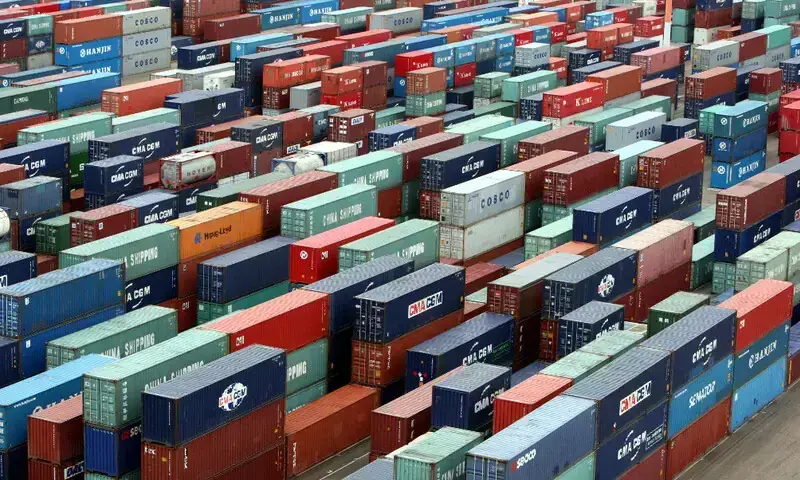
Pakistani exporters remain unfazed by a potential 10% additional duty proposed by the US Trade Representative. They are confident that the measure, if implemented, will not significantly impact Pakistan's exports. The primary reason for this optimism is that the proposed duty would be paid by US buyers, making Pakistani products more expensive in the American market.
Our products are already facing 26.5 per cent total duties in the United States. This makes our products costly in the US market.
Javed Bilwani, a former president of the Karachi Chamber of Commerce, explained that Pakistani textile products already face a 16.5% tax for export to the US. He noted that an additional 10% duty was imposed after the US Supreme Court struck down a previous tariff regime, and President Trump has since reimposed a 10% duty on several countries, including Pakistan. This brings the total duties on Pakistani products to 26.5%.
Our products are already costlier than those from other countries in the region due to higher energy prices, higher interest rate and higher prices of imported constituents required for exports.
Exporters also point out that Pakistani products are already less competitive due to higher energy prices, interest rates, and the cost of imported components. "Our products are already costlier than those from other countries in the region due to higher energy prices, higher interest rate and higher prices of imported constituents required for exports," Bilwani stated. He added that the proposed 10% duty is set to end on July 24, and the US government appears keen on extending it.
If the 10pc additional duty is not reimposed at the end of this month, Pakistani products would get the benefit of price differential in the US market.
Data indicates that Pakistan's trade balance with the US has historically favored Pakistan, although imports have risen in recent years. Exports to the US during July-April FY26 were $5.124 billion, a slight increase from $5 billion in the same period of the previous year. Imports during the same period were $2.54 billion, up from $1.9 billion. Amir Aziz, a textile exporter, believes that if the additional duty is not reimposed, Pakistani products could gain a price advantage. However, he cautioned that continued duties would hurt Pakistan's competitiveness against regional rivals with lower production costs.
our products are already the costliest in the region as competitors in other countries have the advantage of lower cost of production.
DistantNews Editorial
Originally published by Dawn in English. Translated, summarized, and contextualized by our editorial team with added local perspective. Read our editorial standards.
More Stories

From Our Blog

What Gets Lost (and Found) When News Is Translated

The Critical Role of Diaspora Media in Global News

What Travellers Should Know About Countries with Restricted Press

A Digital Nomad's Guide to Following Local News

How the Same Story Looks Different in Different Countries
