


Pakistan’s AI checklist
Summarized and contextualized by DistantNews.
At a glance
Analysis
Sources not specified
Context piece
- Pakistan's AI policy outlines ambitions for artificial intelligence to boost governance, industry, public services, education, health, and national productivity.
- The policy effectively addresses what AI should do but remains vague on the necessary power sources and infrastructure.
- The author argues that Pakistan must address fundamental questions about AI's purpose and its driving forces to build a genuine AI future.
Pakistan's recently outlined AI policy sets ambitious goals for integrating artificial intelligence across key sectors. The policy envisions AI contributing significantly to governance, industry, public services, education, health, and overall national productivity. This forward-looking ambition is a crucial step in positioning Pakistan for a future increasingly shaped by advanced technologies.
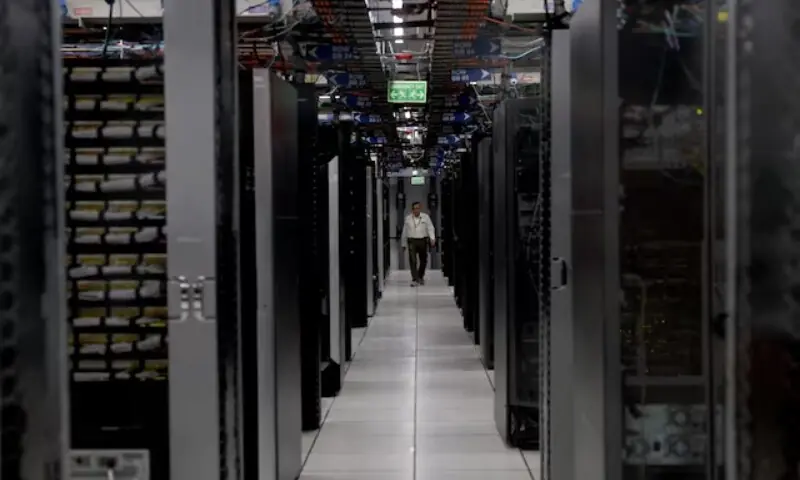
However, the policy effectively answers the question of *what* AI should accomplish but leaves the critical question of *how* it will be powered largely unanswered. The author points out that the policy's vision for AI's application is clear, but the underlying infrastructure and energy requirements remain vague.
In reality, AI is not some glamour to be sprinkled over systems, and it is most definitely not just a chatbot.
To truly build an AI future, Pakistan must move beyond simply prefixing 'AI' to existing reforms, a tactic the author likens to science fiction's use of 'quantum' to denote advanced technology. The nation needs to confront fundamental questions: What specific problems will AI solve? What resources and power will drive these AI systems? Addressing these foundational issues is essential for moving from policy aspirations to tangible advancements in artificial intelligence.
If Pakistan is serious about building an AI future, we must begin with two fundamental questions: what exactly do we want AI to do, and what will power it?
DistantNews Editorial
Originally published by Dawn. Summarized and contextualized by our editorial team with added local perspective. Read our editorial standards.
More Stories


From Our Blog

What Gets Lost (and Found) When News Is Translated

The Critical Role of Diaspora Media in Global News

What Travellers Should Know About Countries with Restricted Press

A Digital Nomad's Guide to Following Local News

How the Same Story Looks Different in Different Countries
