

Pakistan's Budget: Climate Resilience or Mere Box-Ticking?
Translated from English, summarized and contextualized by DistantNews.
At a glance
News
Named sources
Context piece
- Pakistan's budget allocations appear to contradict its climate commitments, with measures discouraging green technology and neglecting adaptation.
- Despite allocating billions to climate-related projects, experts criticize policies like taxing renewable energy and proposing "false solutions" like carbon capture.
- The country faces significant economic risks from climate-induced disasters, with projections of losing up to 6.5% of GDP by 2050 if fiscal plans are not climate-proofed.
Pakistan's government faces criticism for budgetary allocations that appear to undermine its climate commitments, despite stated goals for resilience and green growth. Experts point to measures that penalize green technology adoption and sideline crucial adaptation strategies, suggesting the country is merely "ticking climate boxes" rather than genuinely addressing its vulnerability.
The upcoming budget includes at least eight projects focused on climate resilience, afforestation, and biodiversity, totaling Rs2.78 billion under the Public Sector Development Programme. However, these efforts are overshadowed by policies that experts deem "anti-climate." These include attempts to tax renewable energy, which could derail progress spurred by international bodies like the IMF and World Bank, and a continued reliance on "false solutions" such as carbon capture instead of reducing fossil fuel dependency.
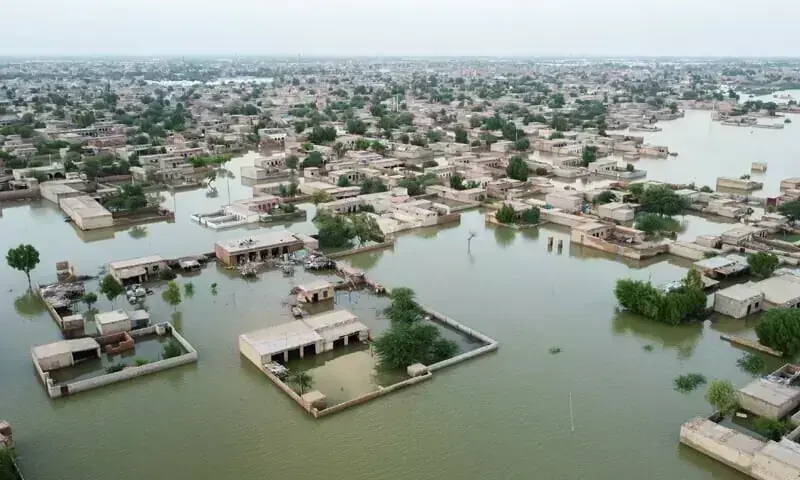
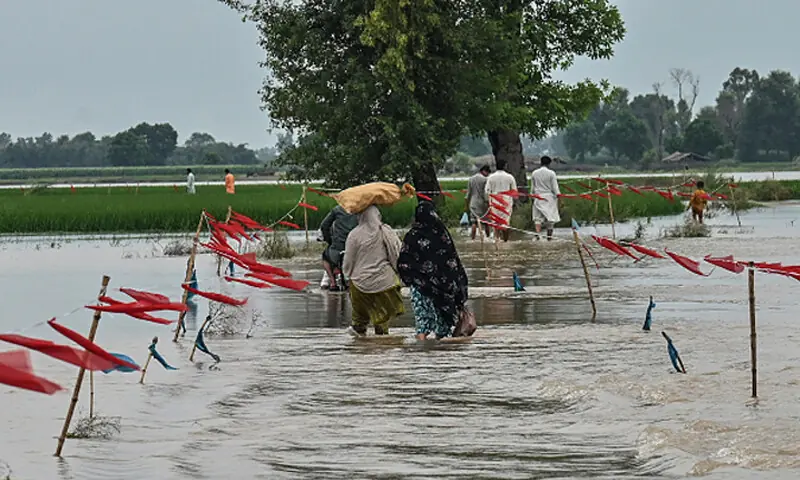
Pakistan's economic survival is intrinsically linked to its climate resilience, yet its fiscal plans seem to deepen its vulnerability. The country has already suffered immense losses from climate-induced disasters, with the 2022 floods alone costing at least $28 billion. Projections indicate a potential loss of up to 6.5% of GDP by 2050 if the nation fails to climate-proof its economy.
While the government has adopted tools like the "Handbook on Climate Risk Screening for Policy Planning," its practical application remains questionable. Experts emphasize that effective climate action requires a science-based approach, prioritizing people and promoting climate-smart development models, rather than superficial tagging of projects as climate-related.
This year, these numbers will increase. However, the true essence of tagging must be followed, it should be inclusive, not just a box-ticking activity.
DistantNews Editorial
Originally published by Dawn in English. Translated, summarized, and contextualized by our editorial team with added local perspective. Read our editorial standards.
More Stories



From Our Blog

What Gets Lost (and Found) When News Is Translated

The Critical Role of Diaspora Media in Global News

What Travellers Should Know About Countries with Restricted Press

A Digital Nomad's Guide to Following Local News

How the Same Story Looks Different in Different Countries
